The Legend of Zelda: A Link Between Worlds
Release details, media and our verdict on The Legend of Zelda: A Link Between Worlds.
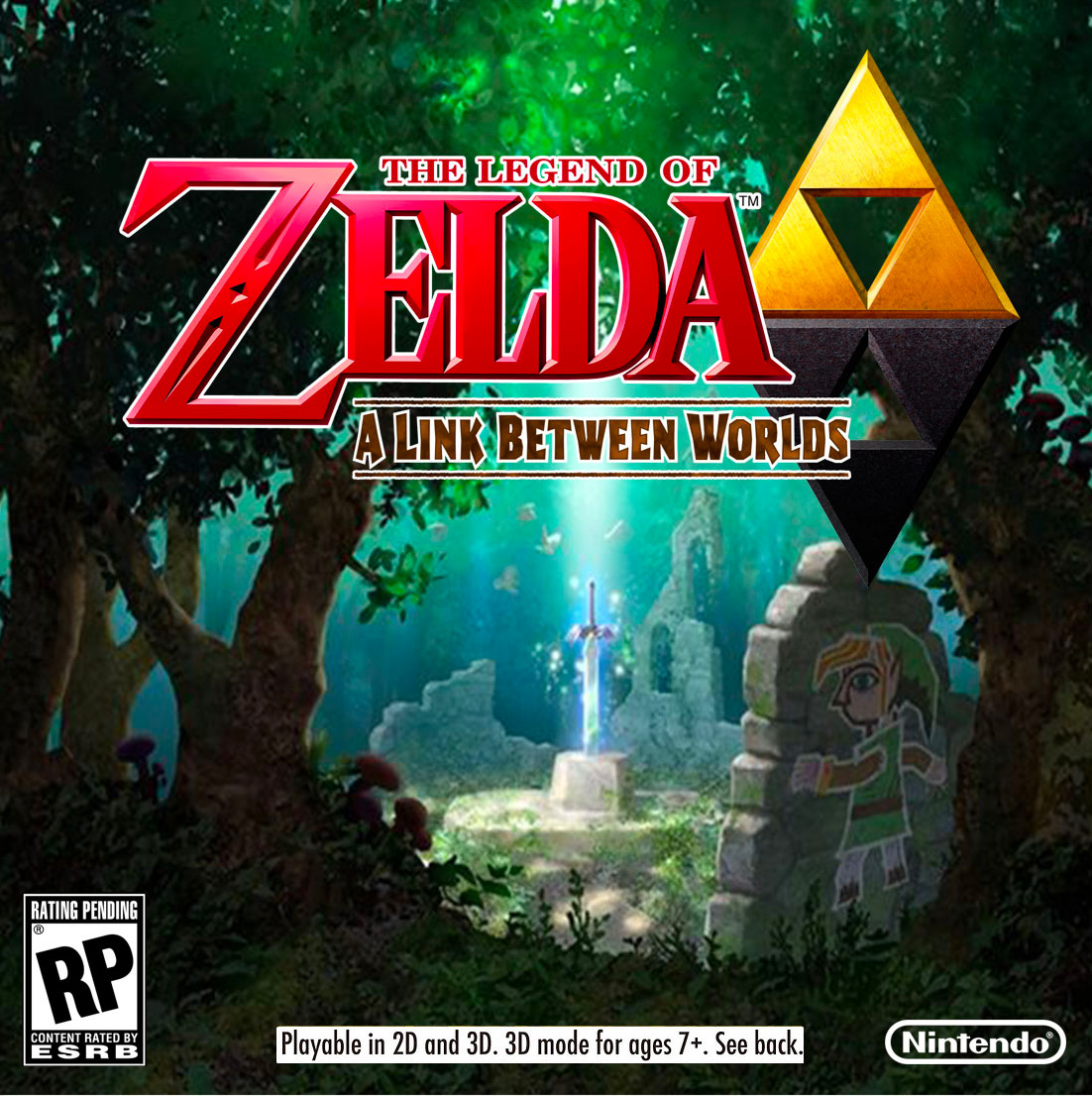
| Developers: | Monolith Soft, Nintendo EAD |
|---|---|
| Publishers: | Nintendo |
| Platforms: | 3DS |
| Release: | |
| Genres: | Action Adventure |
Media Gallery
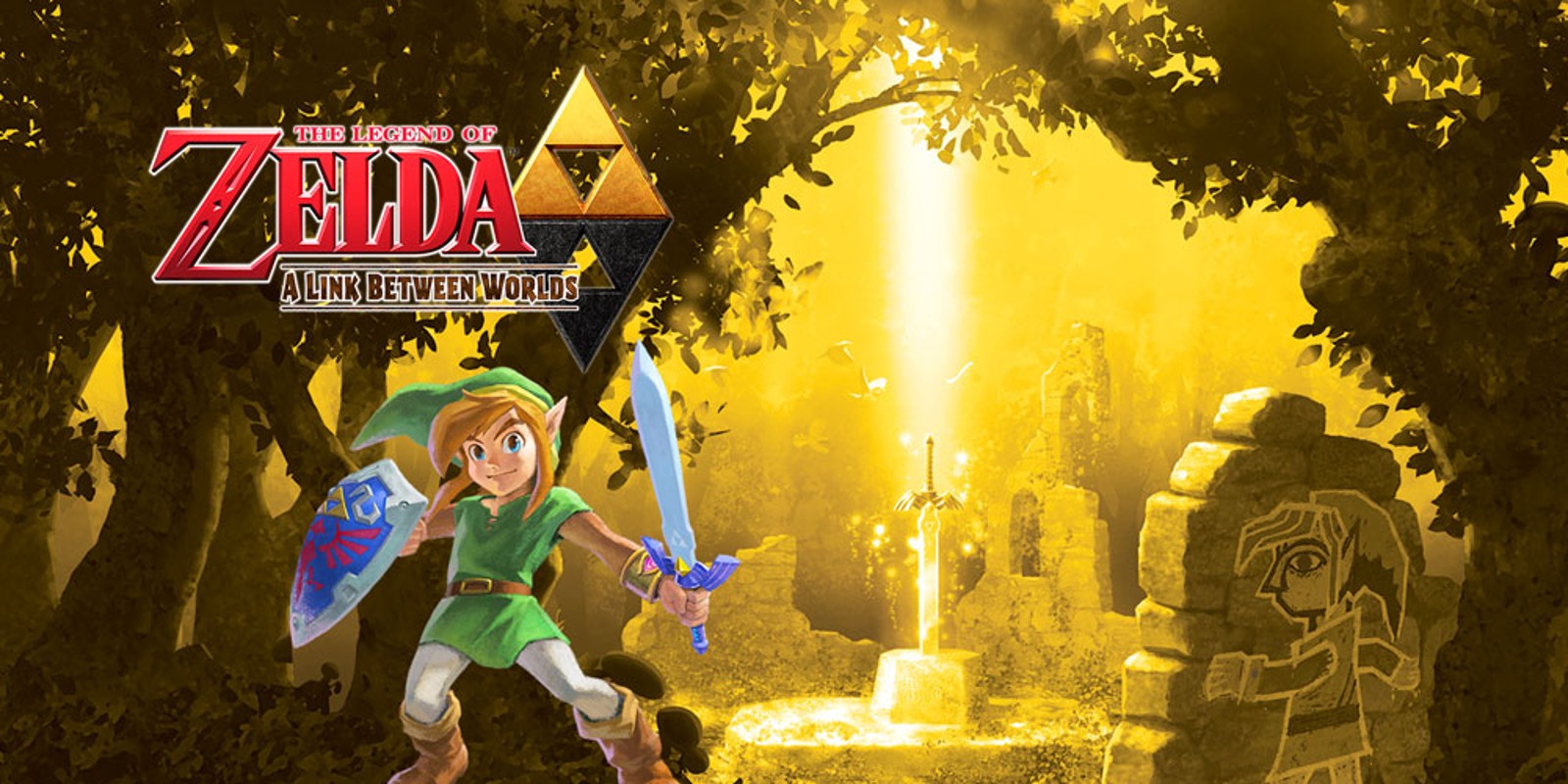
What is The Legend of Zelda: A Link Between Worlds?
The Legend of Zelda: A Link Between Worlds is an action-adventure game that Nintendo EAD developed and Nintendo published for the Nintendo 3DS. It launched in Europe and North America on November 22, 2013, reached Australia on November 23, 2013, and arrived in Japan on December 26, 2013. It is the 17th entry in The Legend of Zelda series and serves as a spiritual successor to the 1991 game The Legend of Zelda: A Link to the Past.
The story takes place many years after A Link to the Past and moves between two kingdoms: Hyrule and Lorule, a new realm described as Hyrule’s dark twin. Link, an apprentice to a blacksmith, sets out after a sorcerer named Yuga captures Princess Zelda and slips through a rift into Lorule. Yuga plans to seize the Seven Sages and draw on their power to bring the demon king Ganon back to life, while Lorule itself is ruled by Princess Hilda, Zelda’s counterpart.
Most of the game is seen from a top-down perspective. Early on, Link gains a bracelet that lets him merge into walls as a 2D painting and slide along them, which he uses to cross gaps, solve puzzles, dodge hazards and pass between the two kingdoms through fissures. Instead of finding tools such as the bow, fire rod and bombs in dungeons, Link rents or buys them from a merchant named Ravio, and rented items go back to Ravio if Link dies. These items use a shared energy gauge rather than ammunition, and many dungeons can be cleared in any order.
The game supports the 3DS Play Coin and StreetPass systems. Play Coins can be spent on hints from Hint Ghosts found at points of interest, and StreetPass places a Shadow Link based on another player’s data into the world, where it can be fought for a rupee bounty. Finishing the main adventure unlocks Hero Mode, in which Link takes four times the damage. Nintendo also sold a Nintendo 3DS XL bundle with the game and a Triforce design, and the title was later reissued in Europe under the Nintendo Selects label in 2015.
Work on the concept began in 2009 with a small team after Spirit Tracks, when the wall-merging idea was first prototyped, but development halted in late 2010 and restarted in 2011 before full production in 2012. At Shigeru Miyamoto’s suggestion, the world was based on A Link to the Past, and Ryo Nagamatsu composed new music alongside arrangements of older tracks. The game holds a score of 91 out of 100 on Metacritic, won several awards, and had sold 4.26 million copies worldwide as of December 31, 2022. A direct sequel, Tri Force Heroes, followed in October 2015.
There is currently no review for this game.
