Tales of Zestiria
Release details, media and our verdict on Tales of Zestiria.
| Developers: | Bandai Namco Entertainment |
|---|---|
| Publishers: | Bandai Namco Entertainment |
| Platforms: | PC, PS3, PS4 |
| Release: | |
| Genres: | RPG |
Media Gallery

Eight characters gather on a grassy hillside under a bright sky in an animated scene
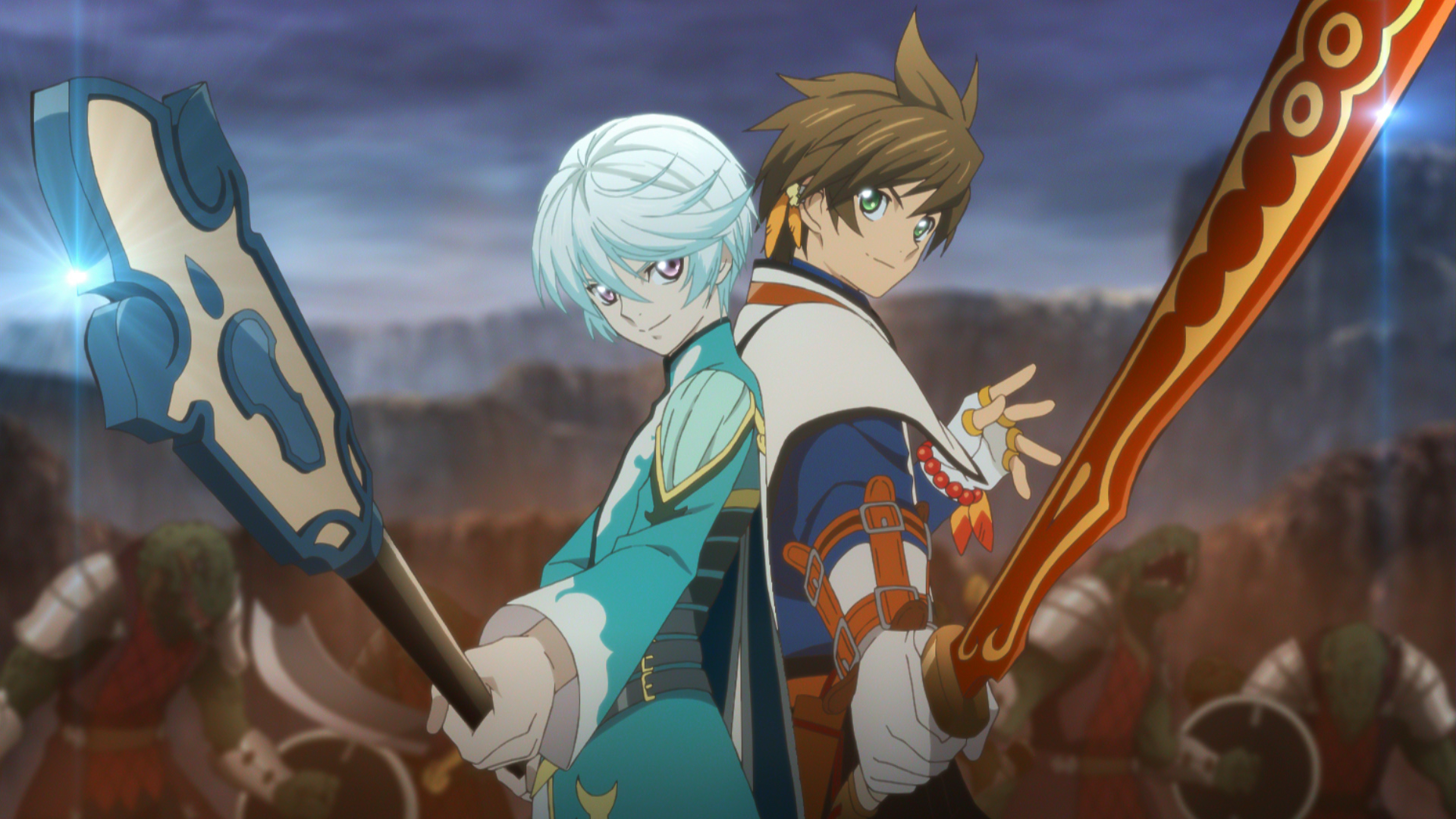
Two companions brandish a staff and a sword before a crowd of soldiers
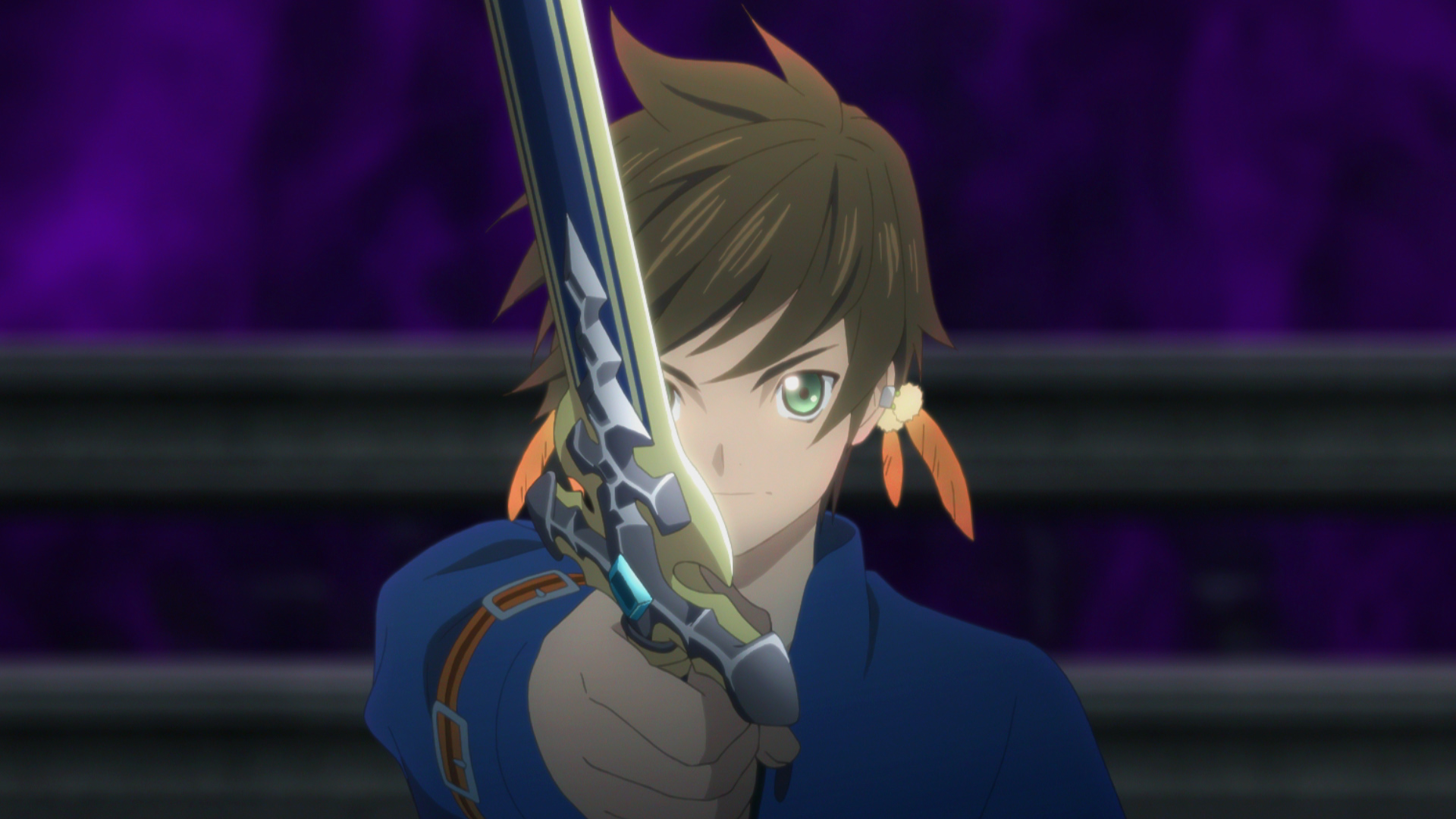
A young man raises a glowing sword against a dark purple backdrop
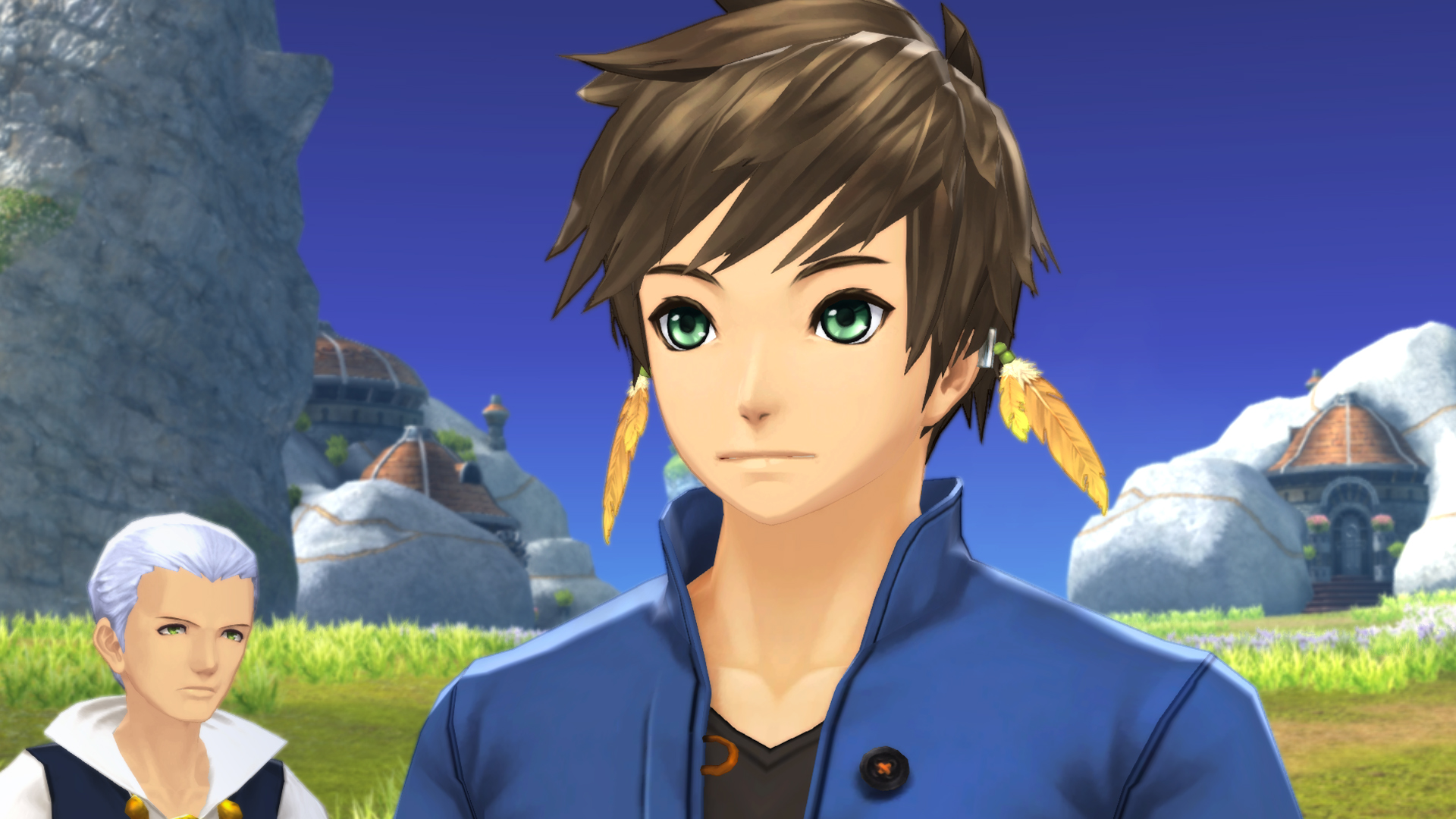
A brown-haired young man stands in a village as a white-haired elder looks on
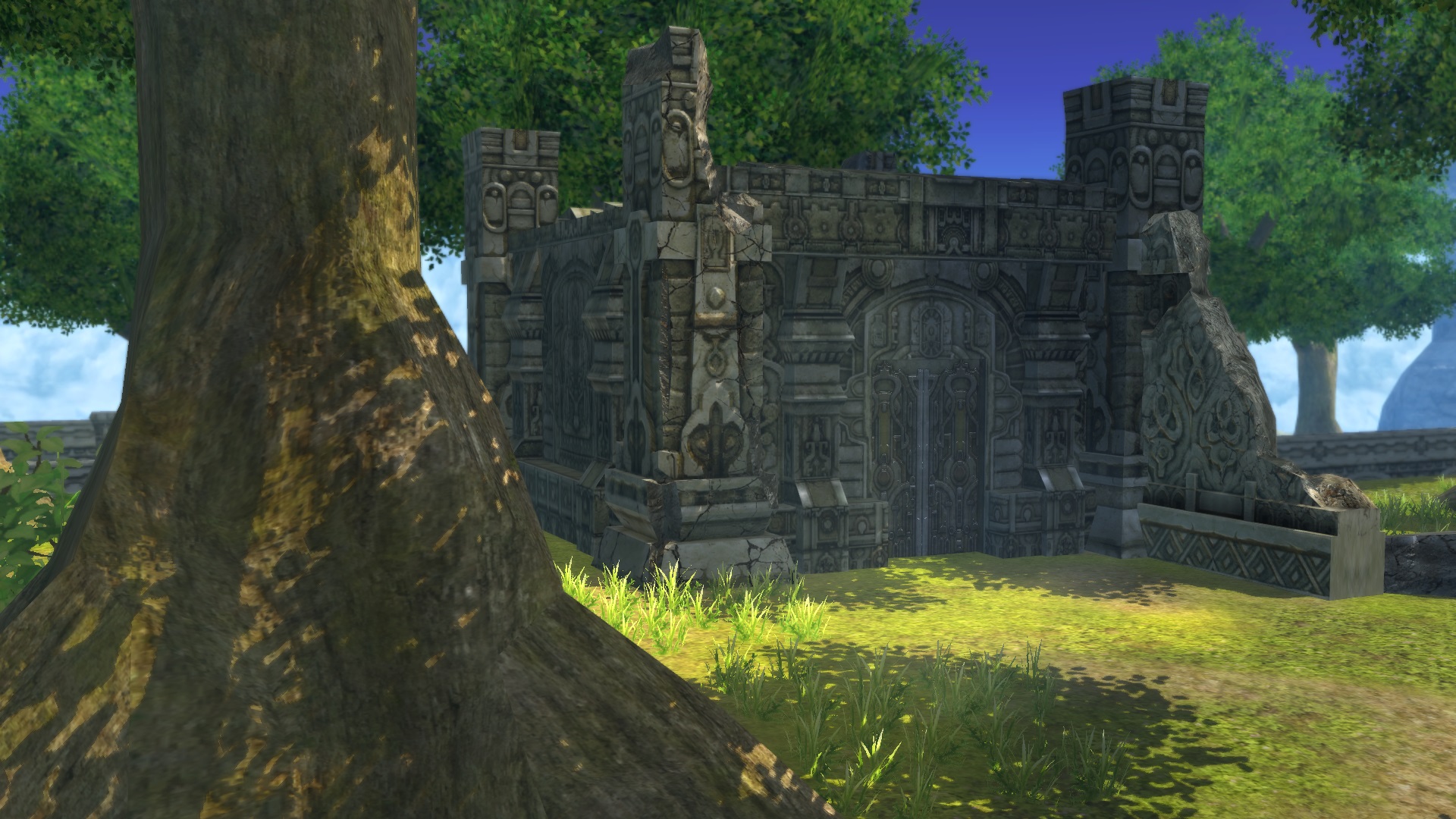
Stone ruins stand among tall trees and grass on a clear day
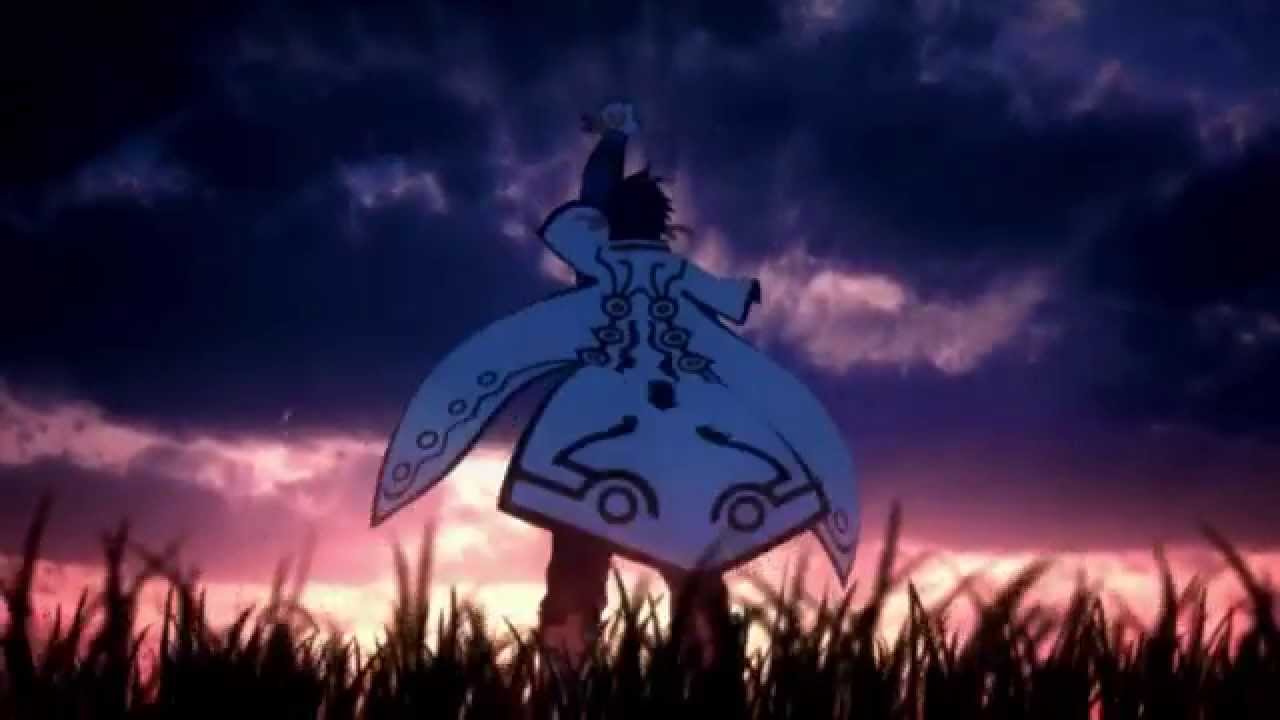
A caped figure stands on a grassy hill under a purple and pink evening sky
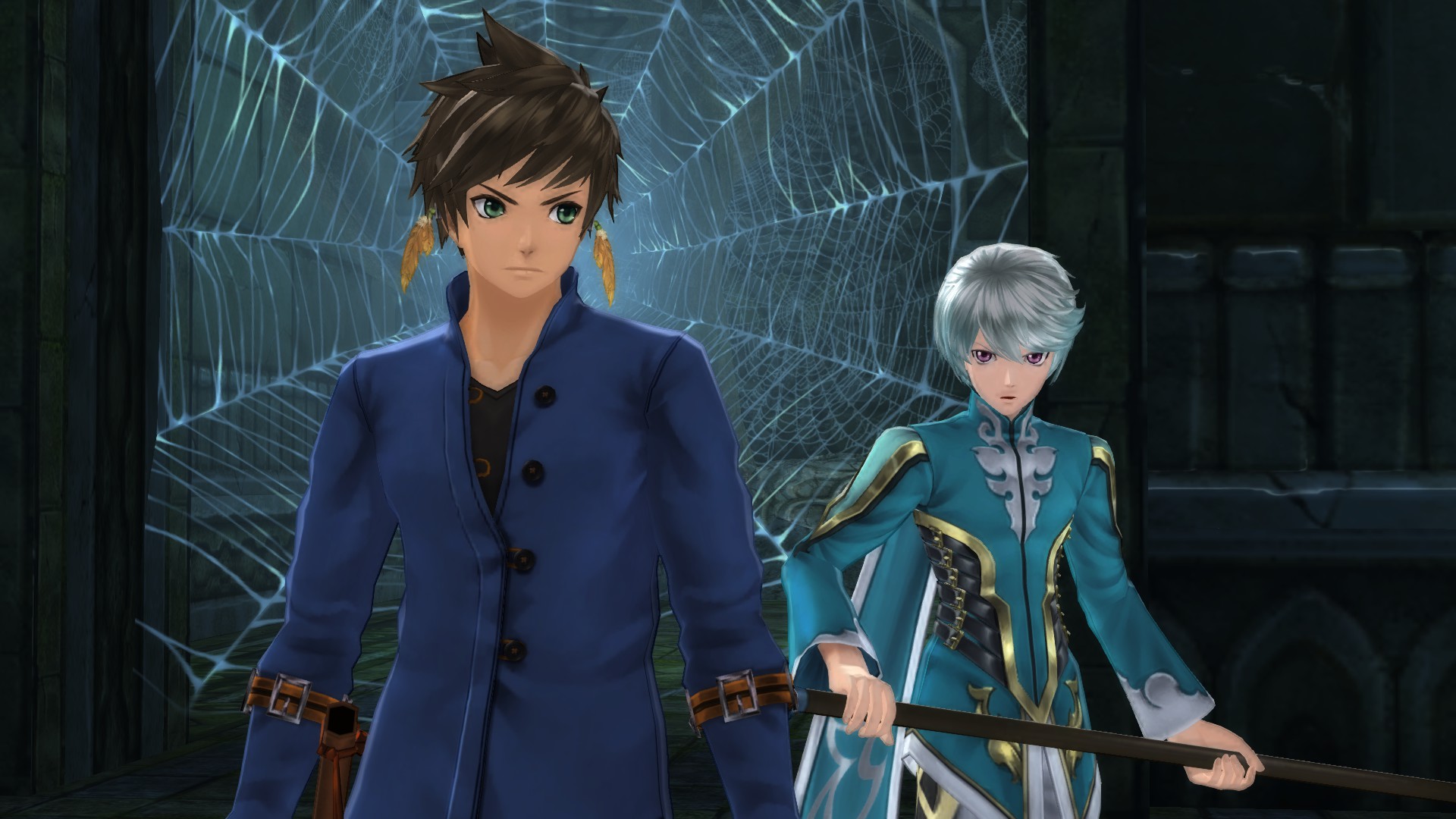
Two companions, one holding a staff, stand before a giant cobweb in a dark interior

Close-up of a young man with green eyes and feathered ear ornaments in an animated scene
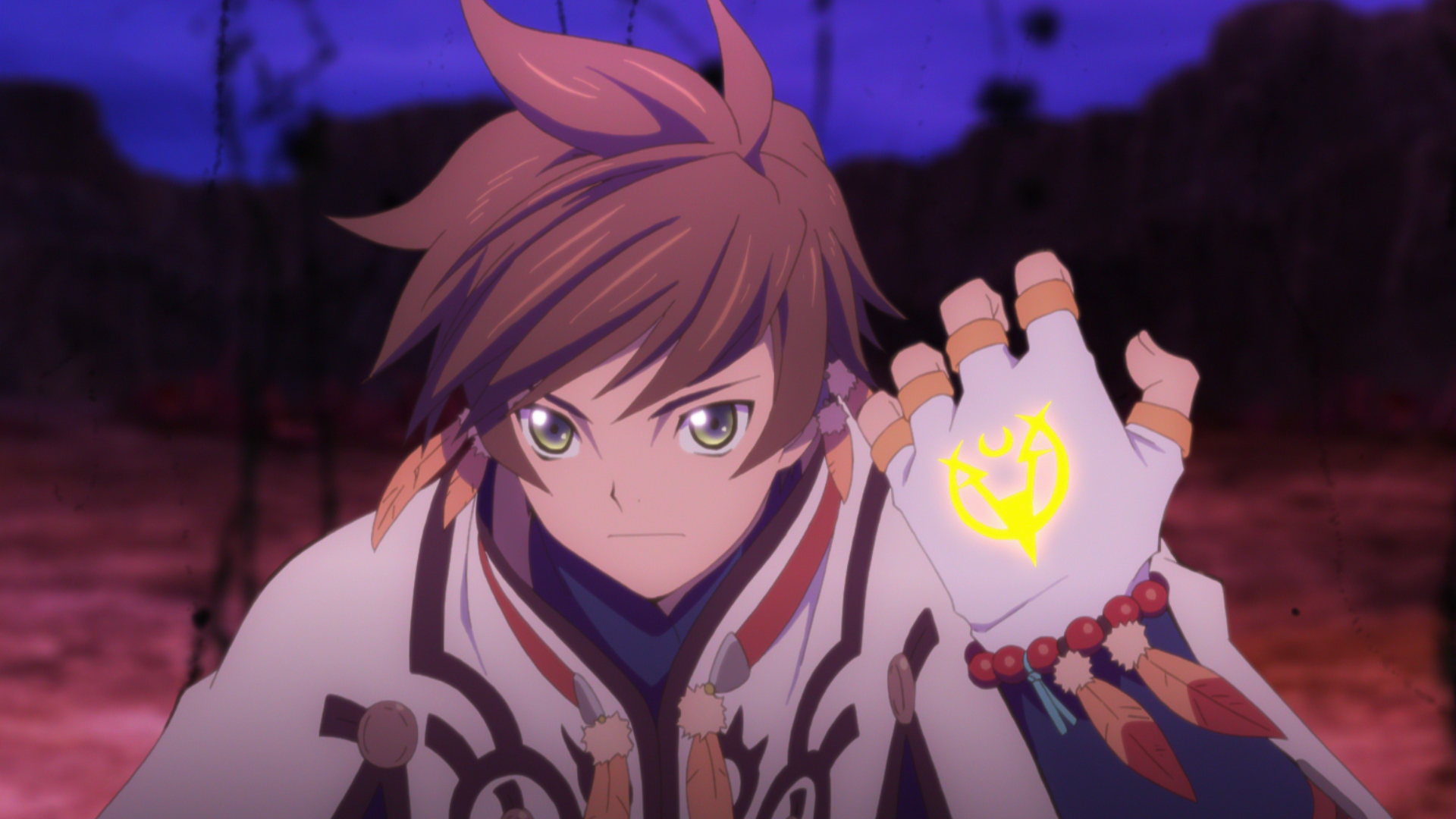
A young man in a white coat raises a gloved hand marked with a glowing symbol
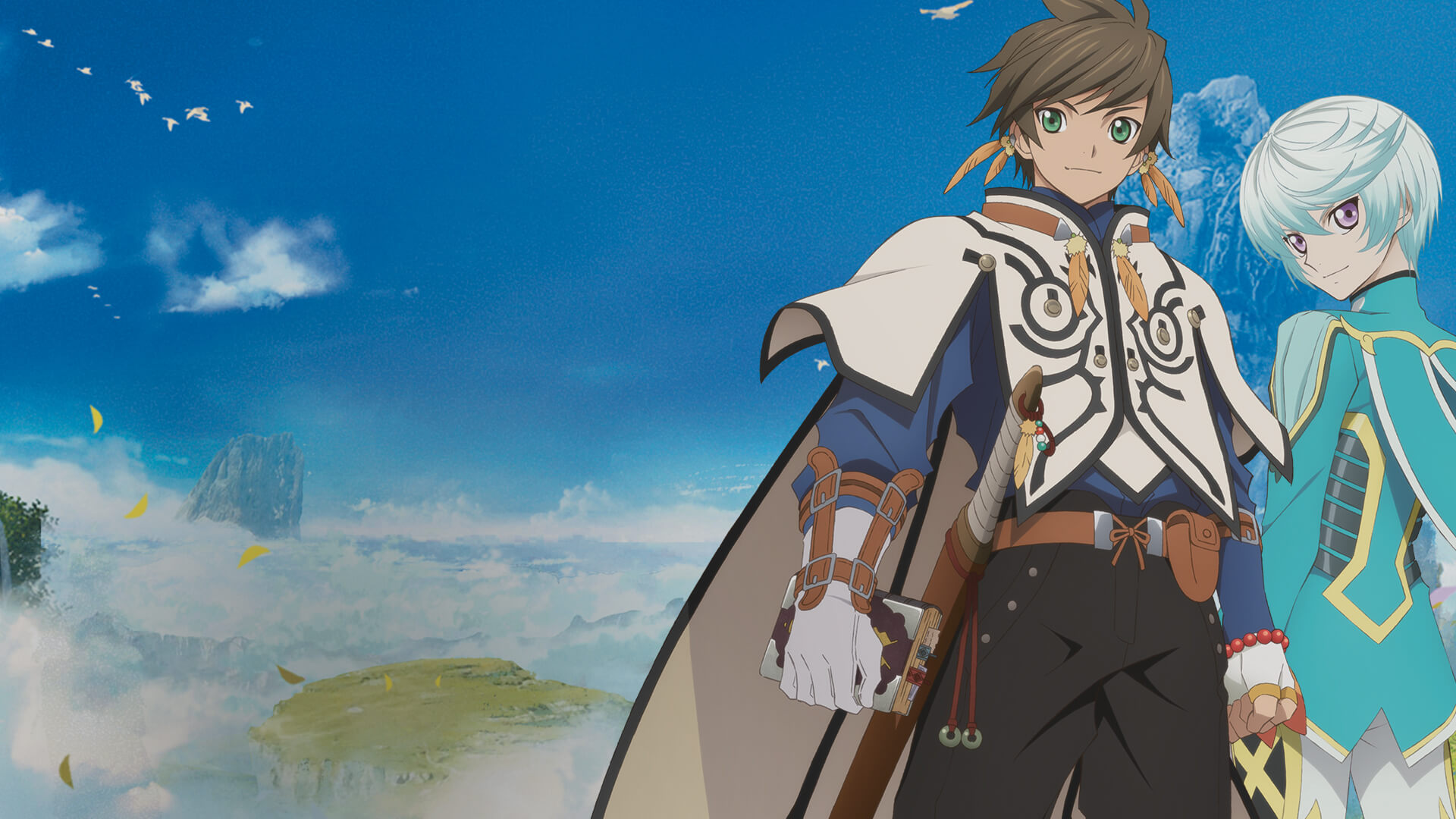
Two young companions look out over a sunlit landscape of floating islands
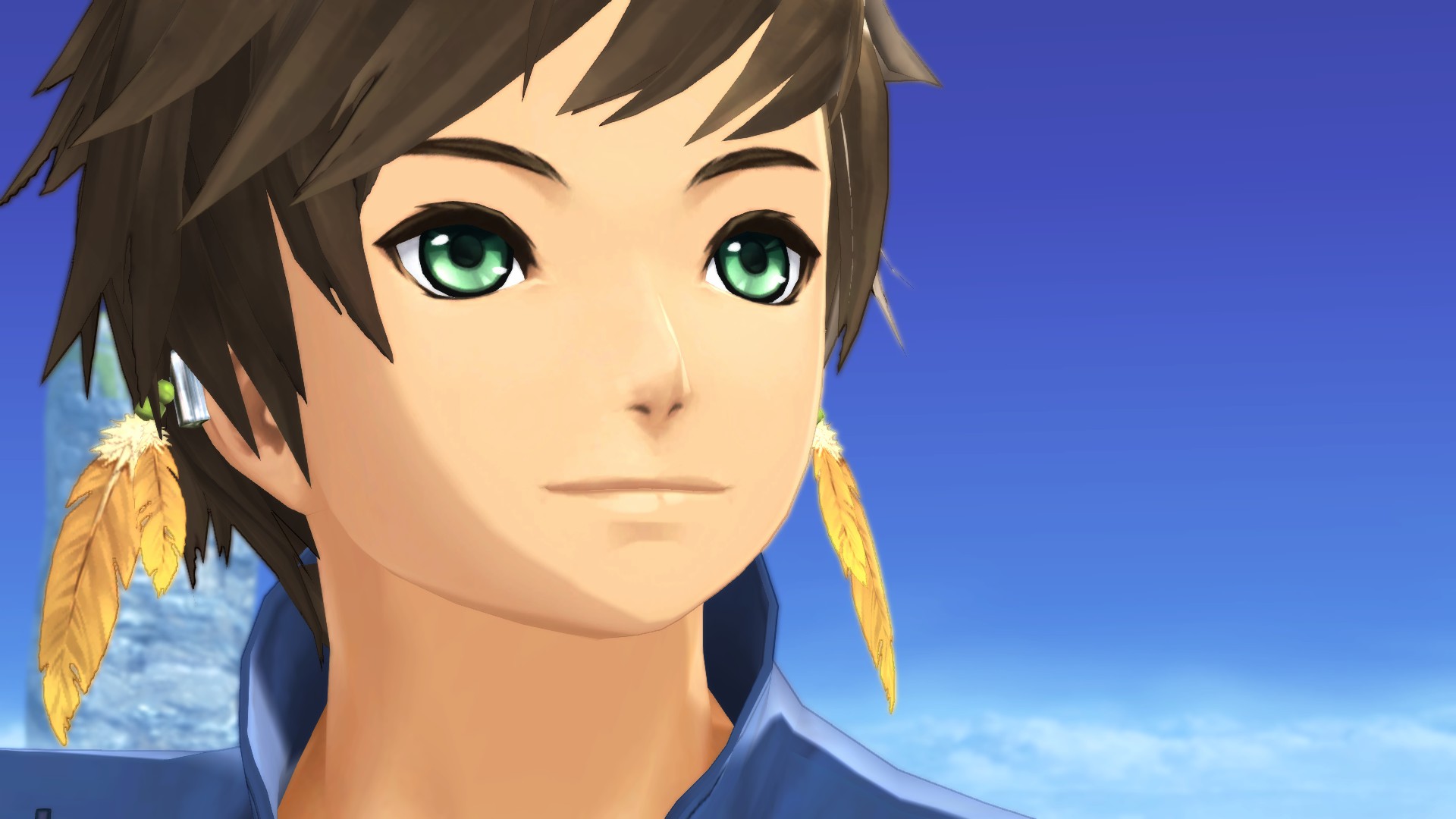
Close-up of a brown-haired young man with feather ornaments against a blue sky
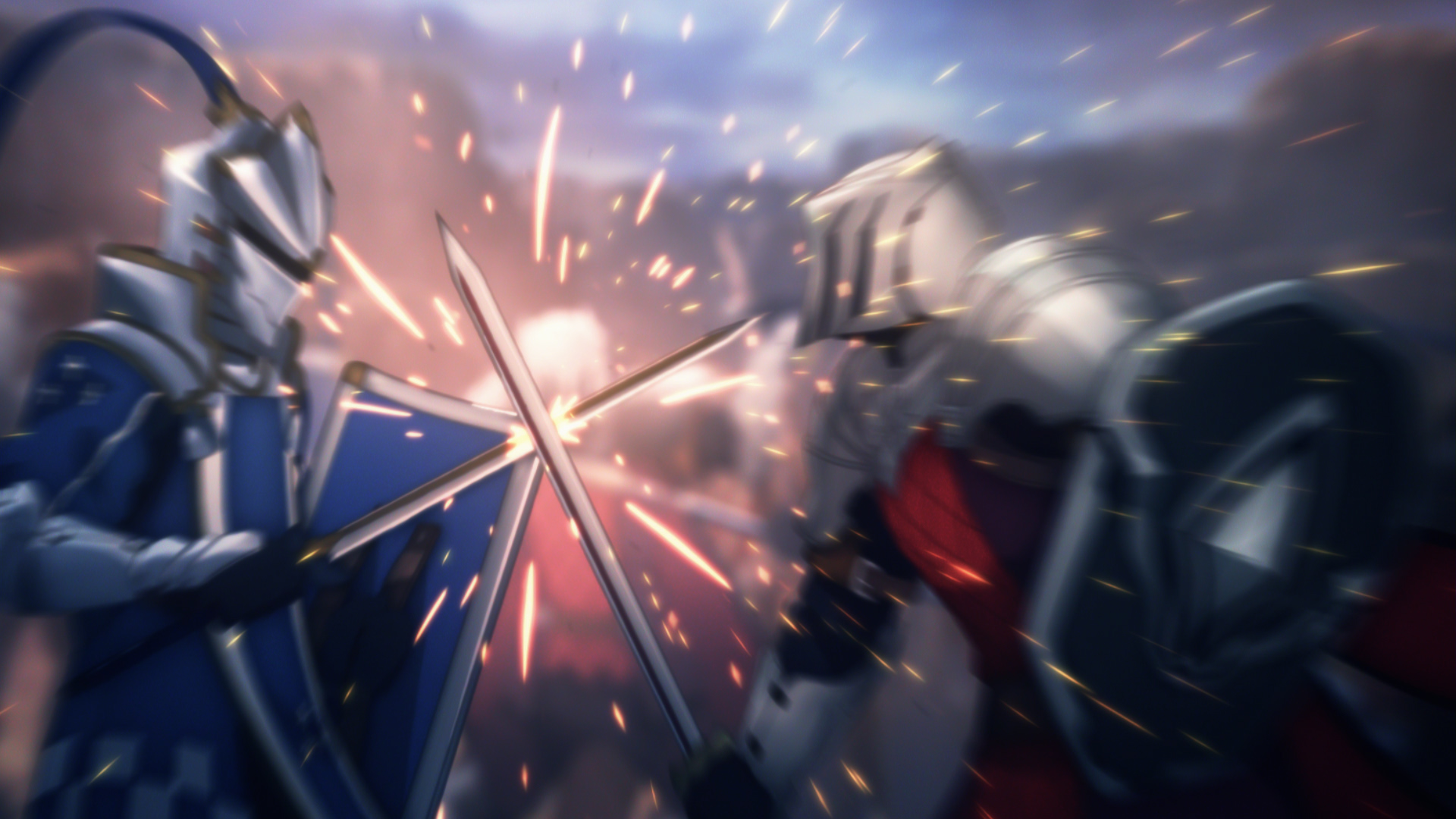
Two armored knights clash swords in a shower of sparks
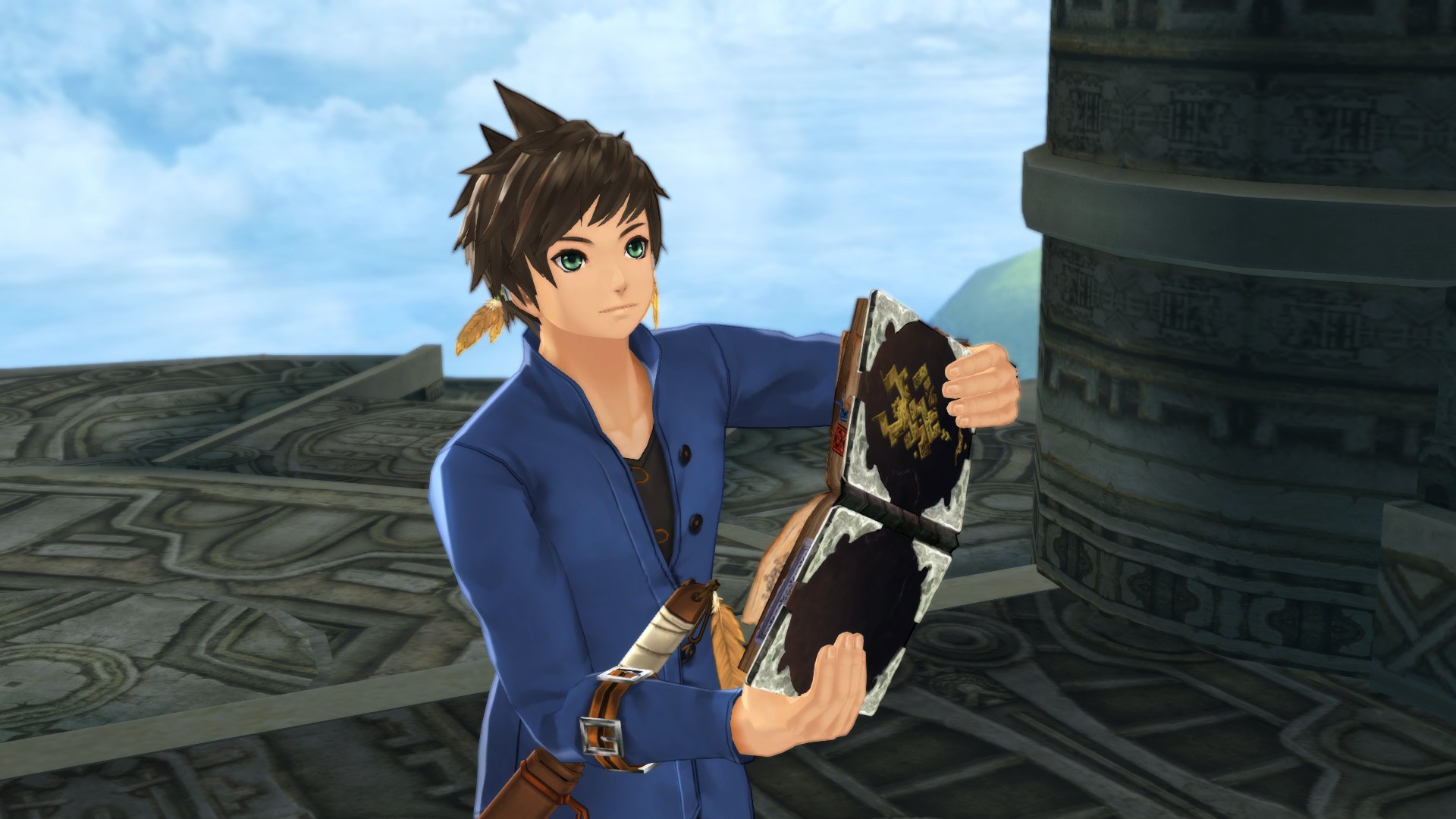
A young man in a blue coat holds open an old book atop a stone ruin
What is Tales of Zestiria?
Tales of Zestiria is an action role-playing game and the fifteenth main entry in the Tales series. Bandai Namco Studios developed it and Bandai Namco Entertainment published it. The game first launched in Japan on the PlayStation 3 on January 22, 2015. In October 2015 it arrived in North America and Europe on PlayStation 3, PlayStation 4, and Windows PC through Steam, and a Japanese PlayStation 4 edition followed on July 7, 2016.
The game is set on Glenwood, a continent split between the warring Hyland Kingdom and Rolance Empire. A force called malevolence, born from human negativity, turns people, animals, and objects into monsters known as Hellions. Sorey, a young man raised among the Seraphim, a spirit race most humans cannot perceive, forms a pact with the fire Seraph Lailah and becomes the Shepherd, a figure able to purify Hellions. With his water Seraph friend Mikleo and a growing party, he travels the land in search of the Lord of Calamity, the being tied to the spread of malevolence.
Combat uses a version of the series’ Linear Motion Battle System called the Fusionic Chain. Fights happen directly on the field map rather than on a separate battle screen, and terrain features can affect how characters move and fight. Human characters favor close-range artes while Seraphim cast spells from a distance. Sorey and the assassin Rose can perform Armatization, merging with a Seraph partner into a combined form whose attacks reflect that Seraph’s element. Outside of battle, the party explores an open world, uses Seraph abilities to clear or bypass obstacles, upgrades equipment skills, and completes requests from creatures called Normin.
The game also includes local cooperative multiplayer and fully voiced skits, which are optional conversations between party members. Western releases offer both English and Japanese voice tracks. A story expansion, Alisha’s Story: The Strength of a Knight, follows two party members after the main ending. Collector’s Editions in Europe and North America bundled downloadable content, an art book, and figures, and the Ufotable anime special Dawn of the Shepherd depicted the opening of the story.
The project was planned as the series’ 20th anniversary title and drew on themes from Tales of Phantasia. Returning staff included producer Hideo Baba, character designers Kōsuke Fujishima and Mutsumi Inomata, and composers Motoi Sakuraba and Go Shiina, while Superfly provided the theme song “White Light.” The game shipped over 400,000 units in Japan in its first week. Western reviews were mixed to positive, with Metacritic scores of 72 on PlayStation 4 and 77 on PC, and critics generally favored the battle system over the story and camera. Some Japanese players criticized how the game handled its characters, especially Alisha’s early departure from the party.
There is currently no review for this game.
