Portal 2
Release details, media and our verdict on Portal 2.



| Developers: | Valve Corporation |
|---|---|
| Publishers: | Valve Corporation |
| Platforms: | Linux, Mac, PC, PS3, Switch, XB 360 |
| Release: | |
| Genres: | Platformer |
Media Gallery
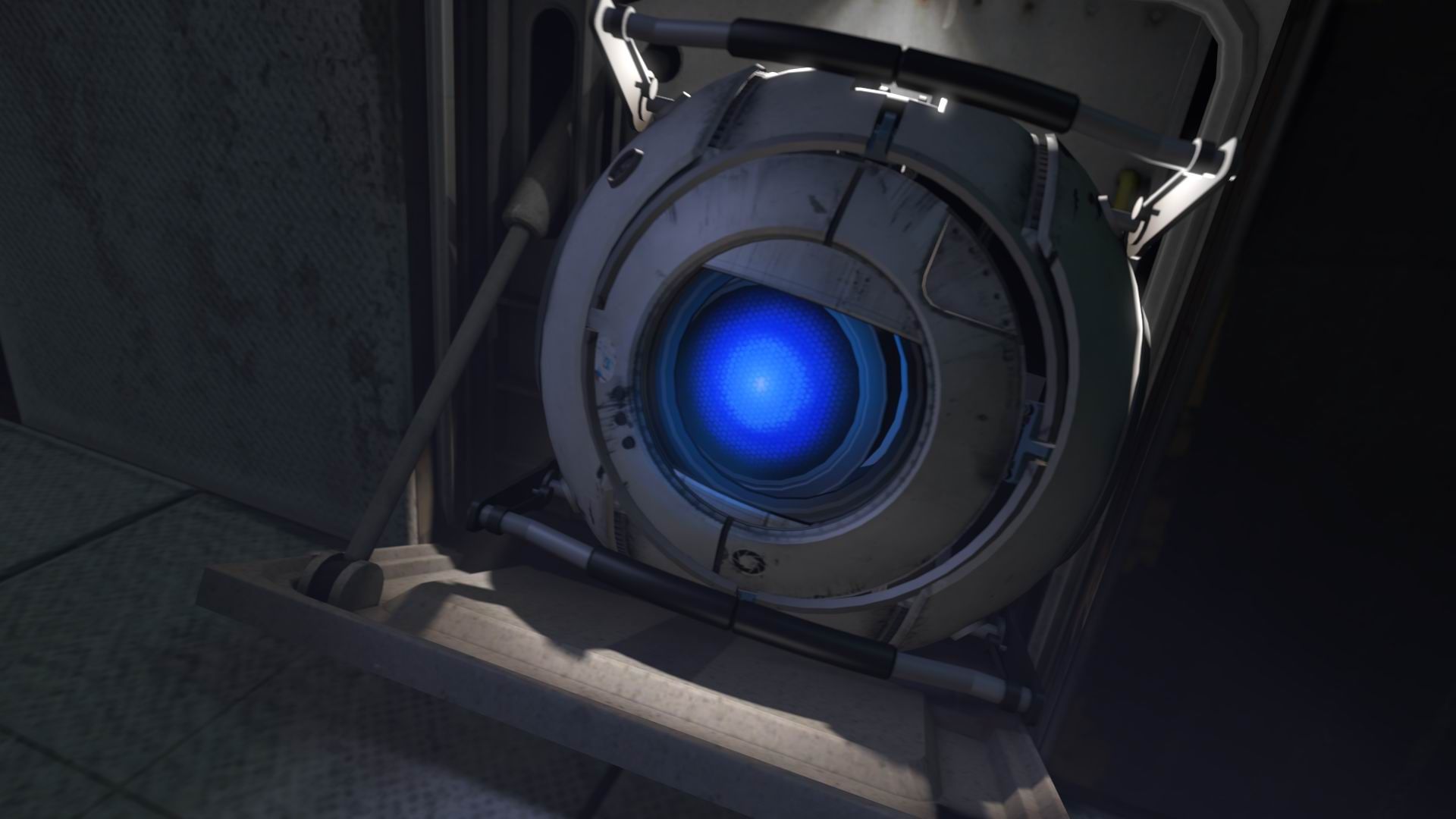
A round robot with a glowing blue eye attached to a rail
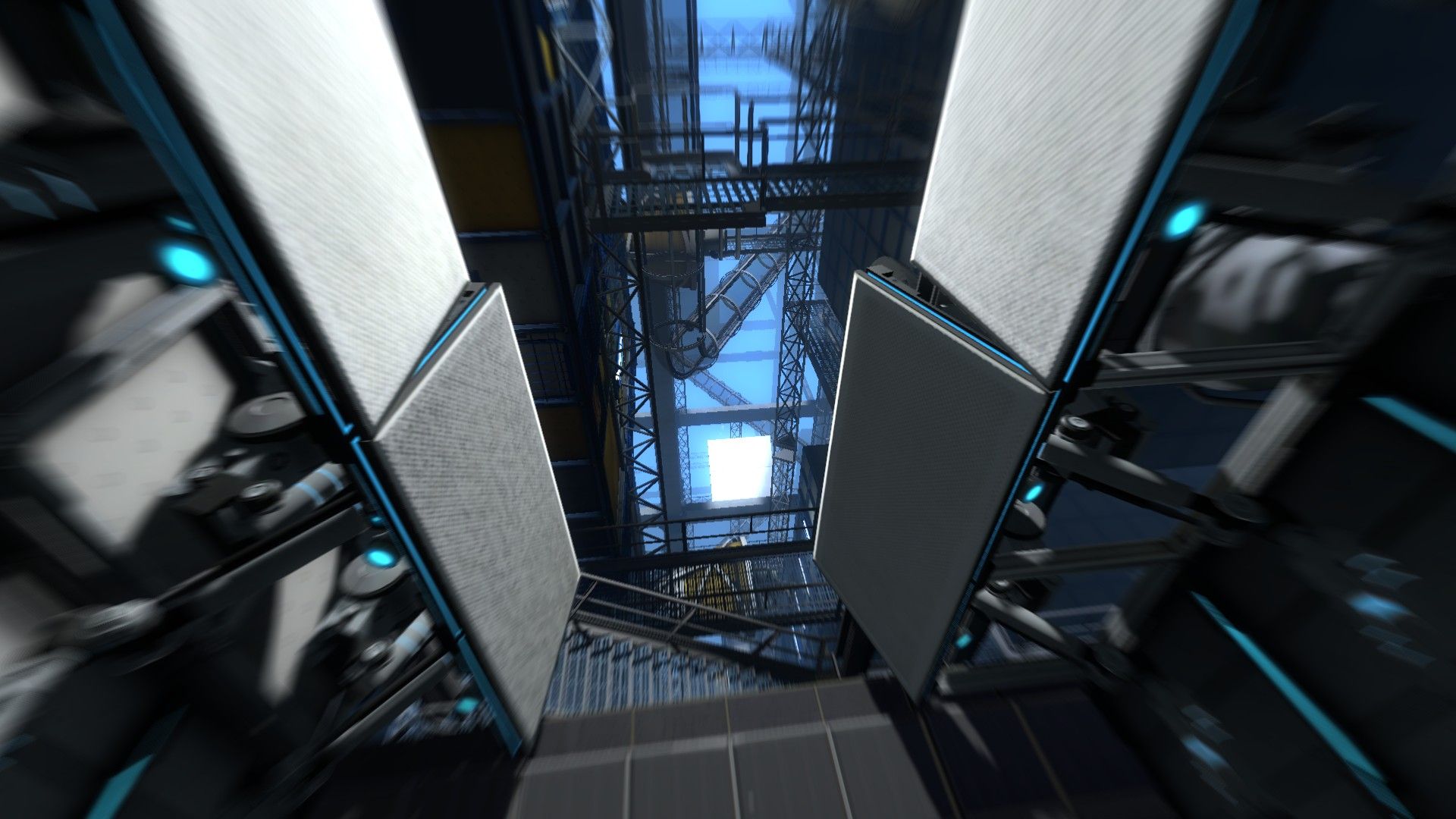
A narrow gap between two tall white panels opening onto a large industrial shaft
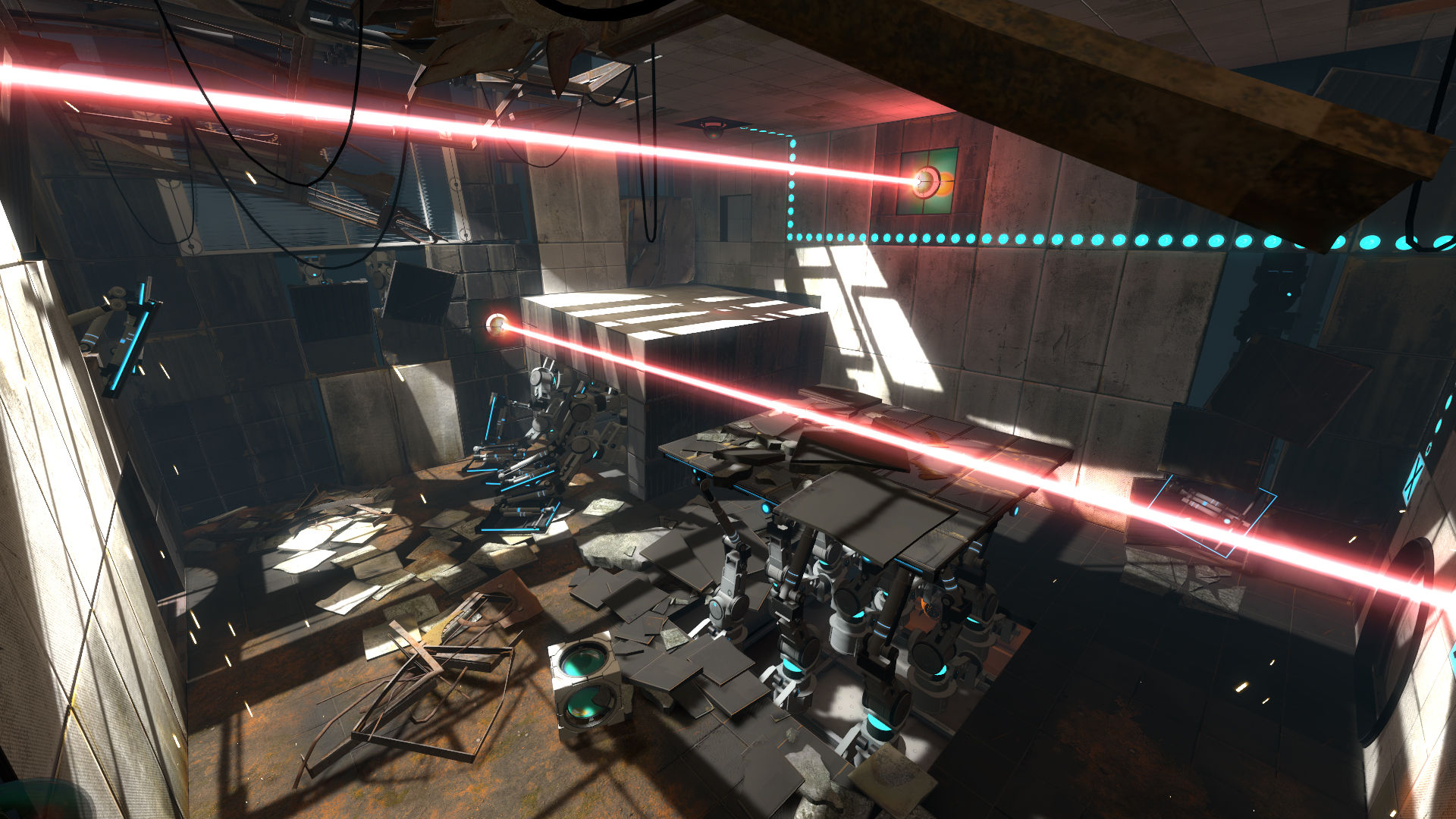
Red laser beams crossing a damaged test chamber filled with debris
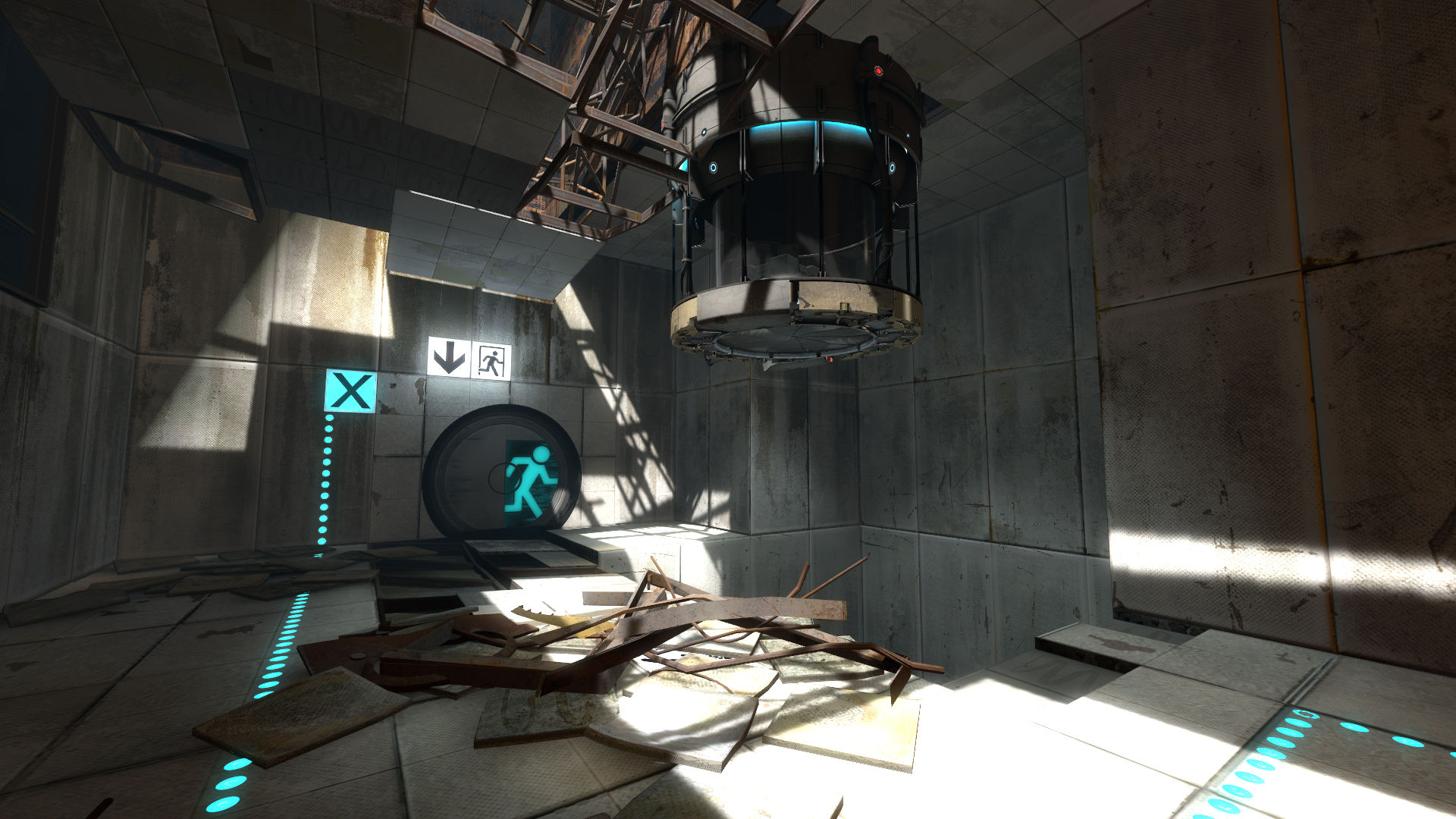
A cylindrical elevator above a ruined test chamber with an exit sign
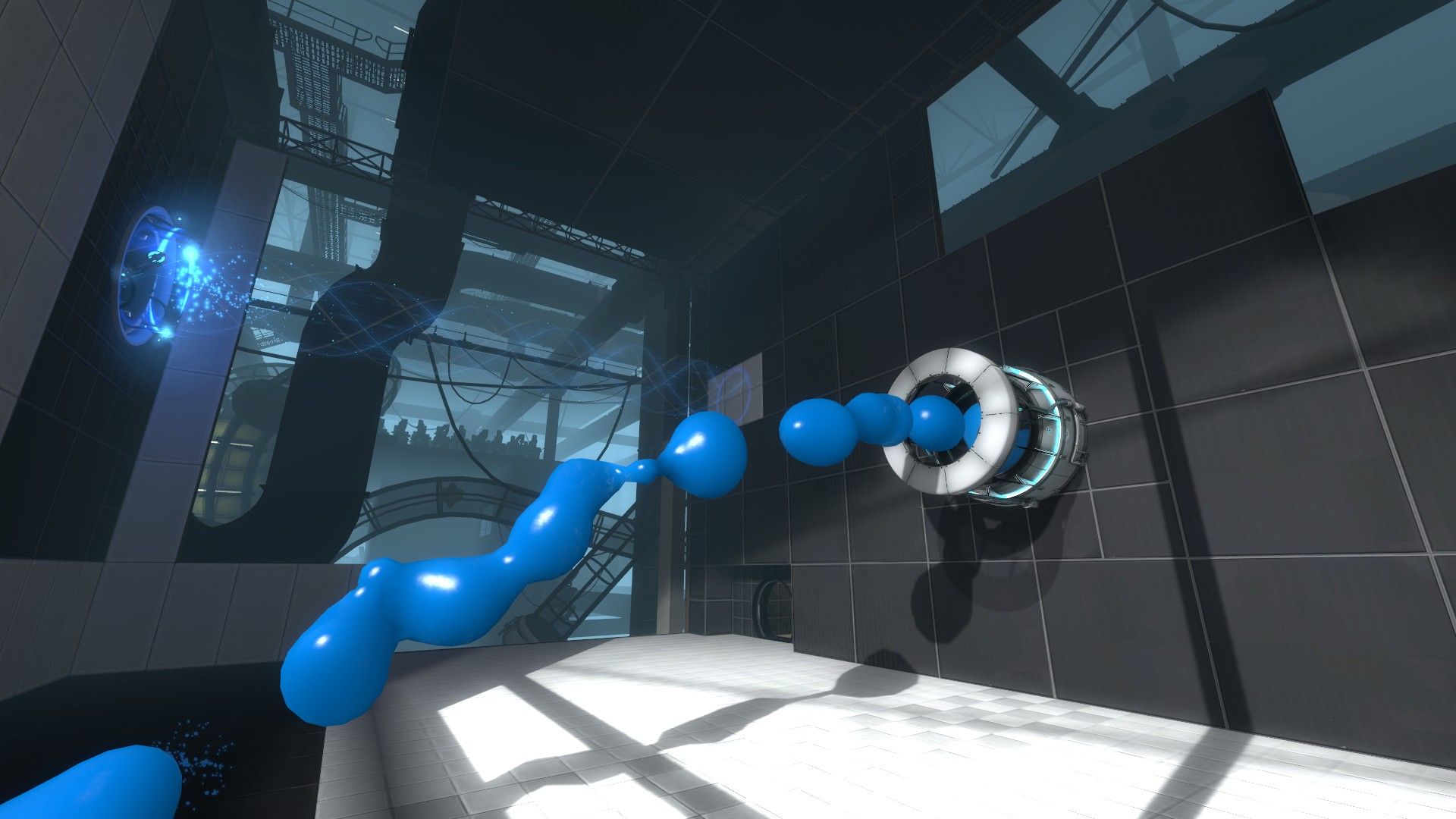
Blue gel flowing from a pipe across a white floor
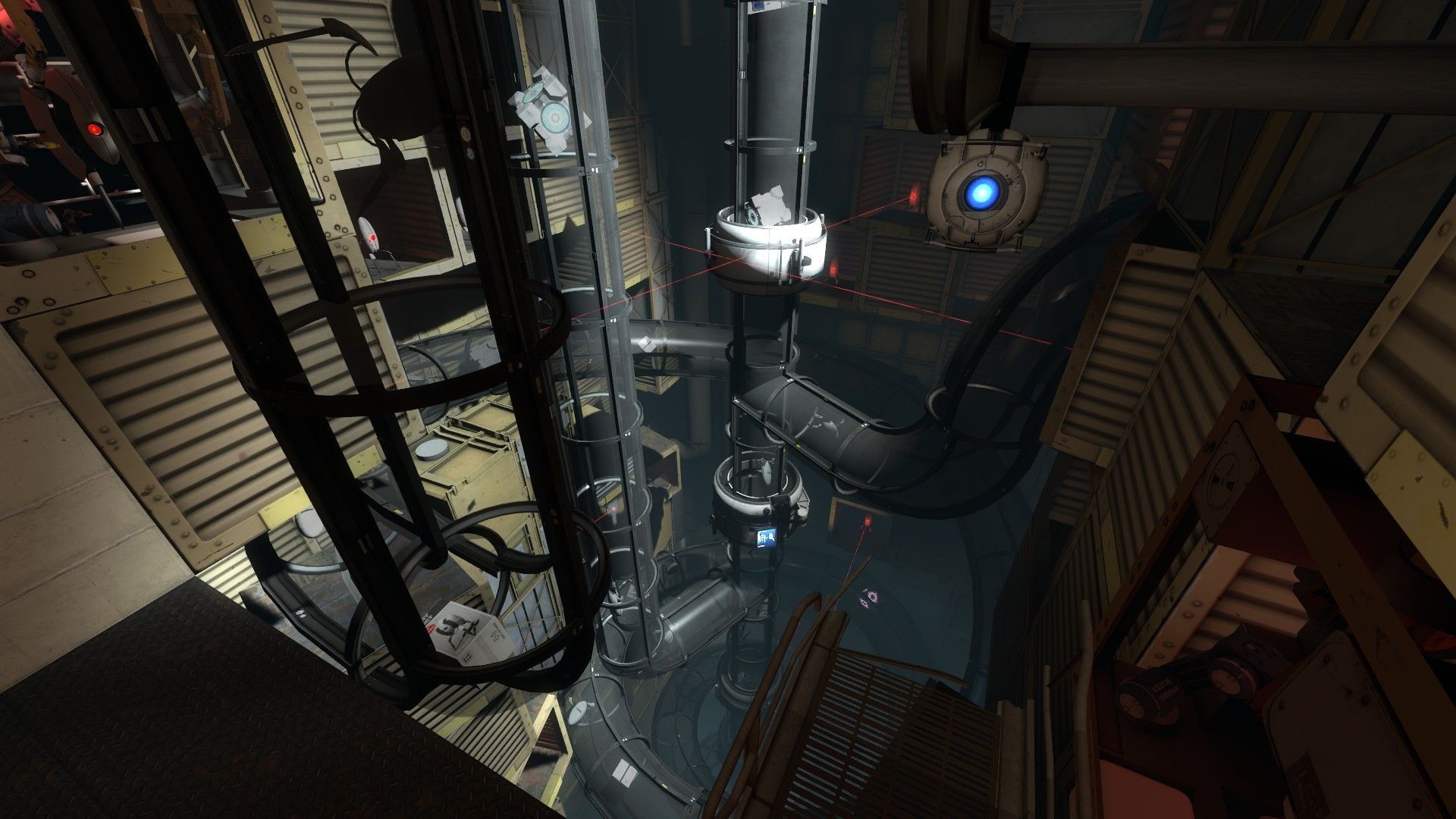
A large industrial interior with tall pipes and a hanging round robot
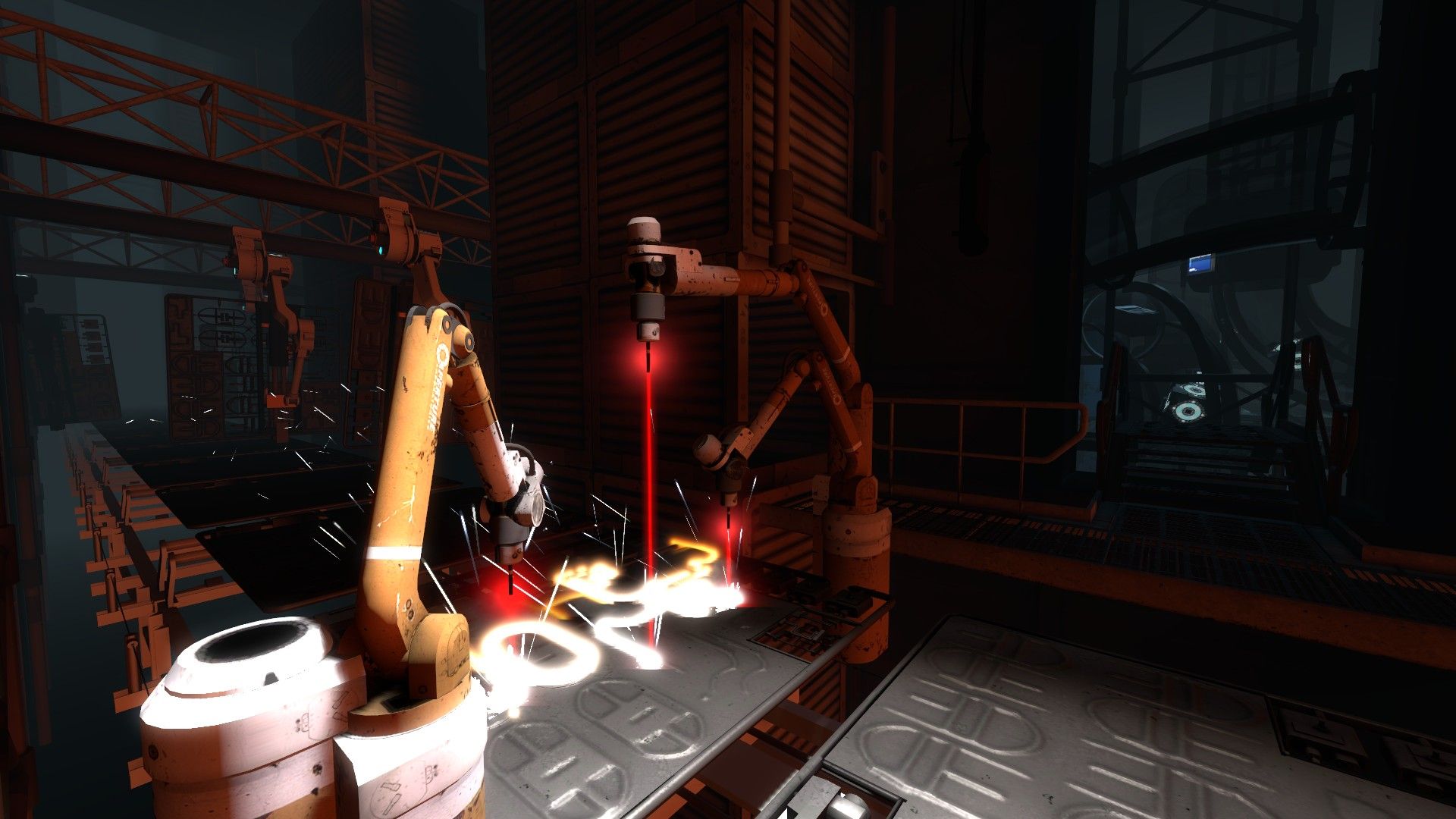
Orange robotic arms in a dark factory area lit by red lights
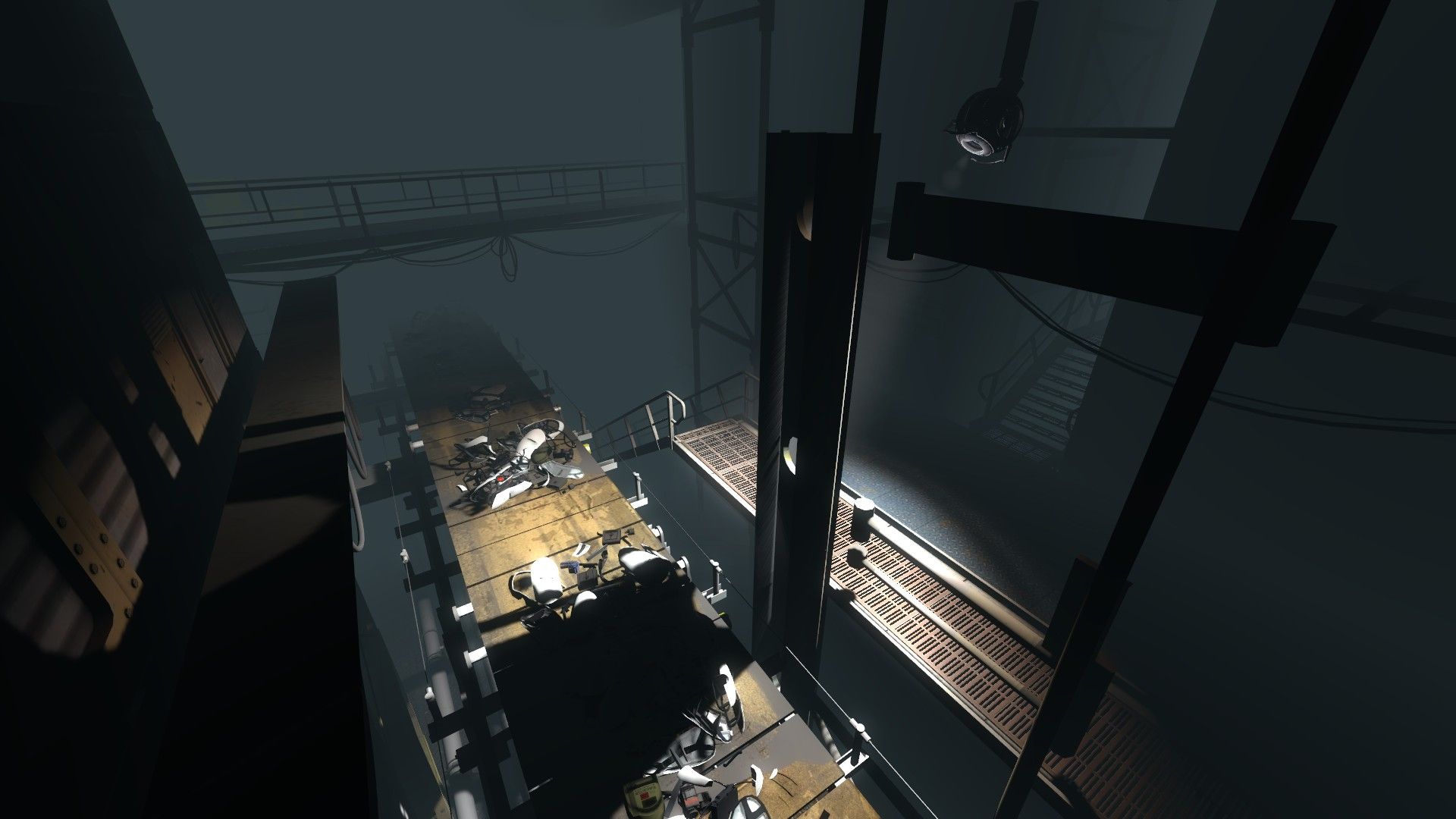
A dark industrial room viewed from above with walkways and machinery
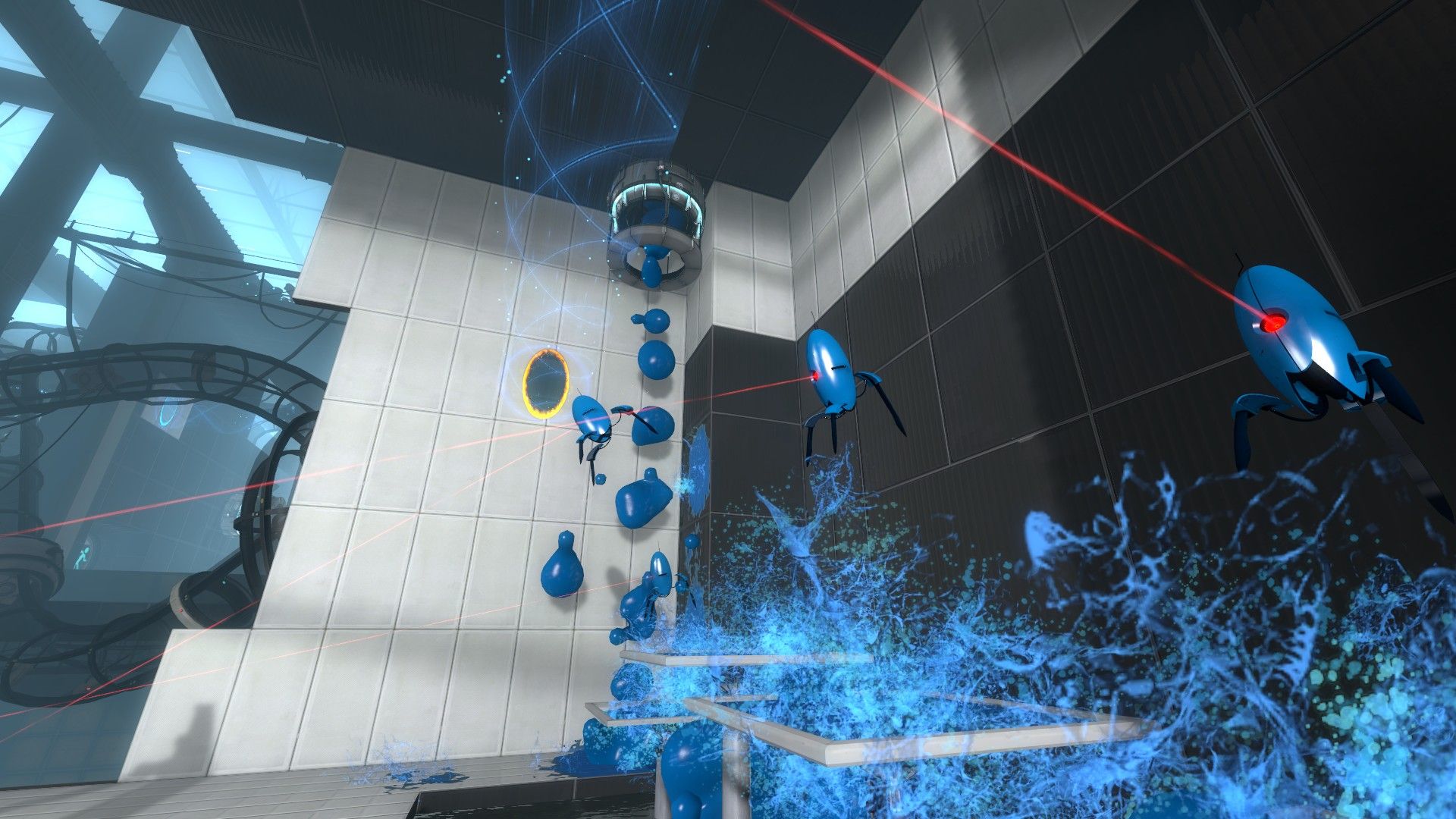
Two robots in a white test chamber with blue gel splashing across the floor
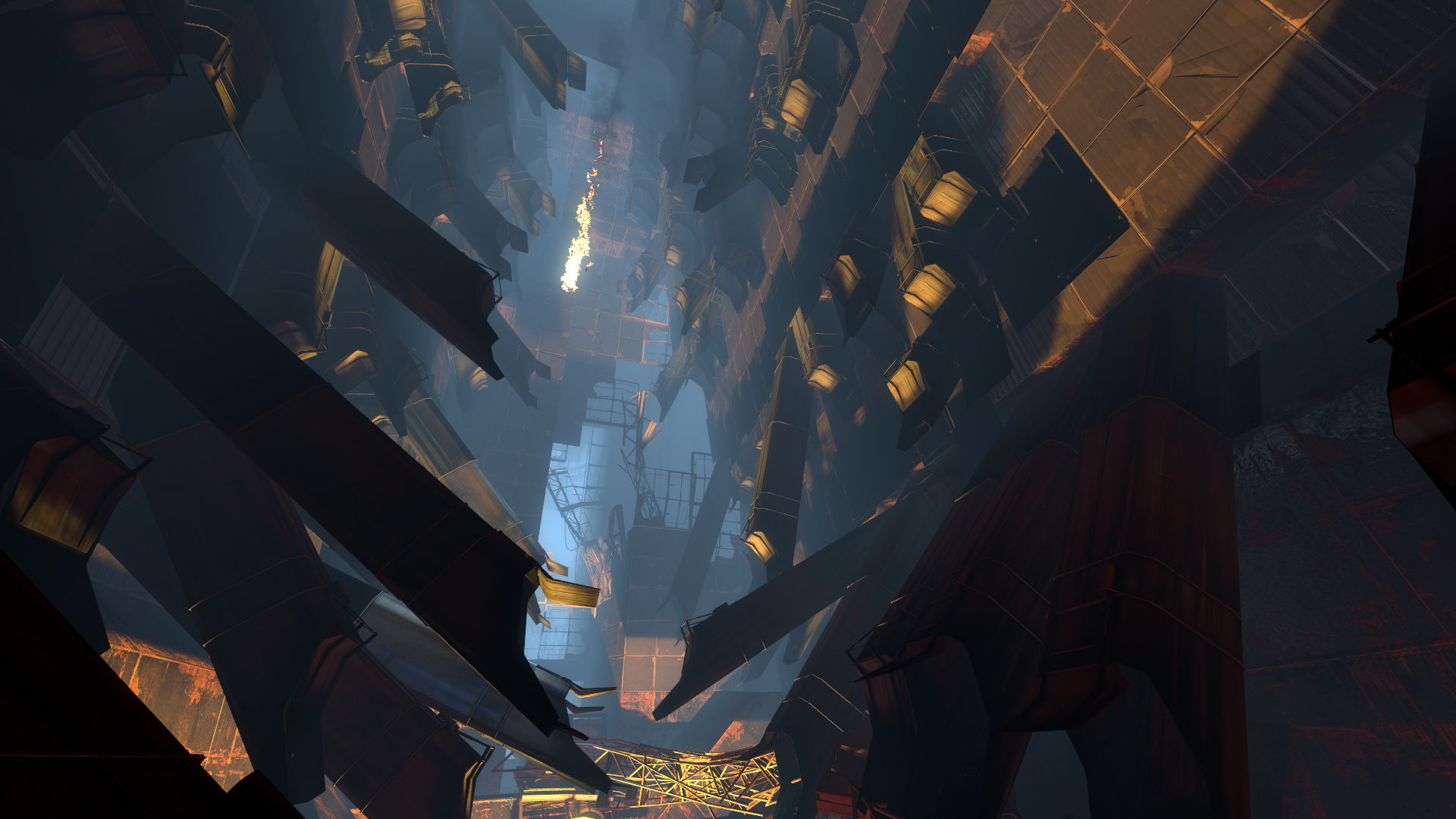
A huge vertical shaft lined with broken panels and orange lights
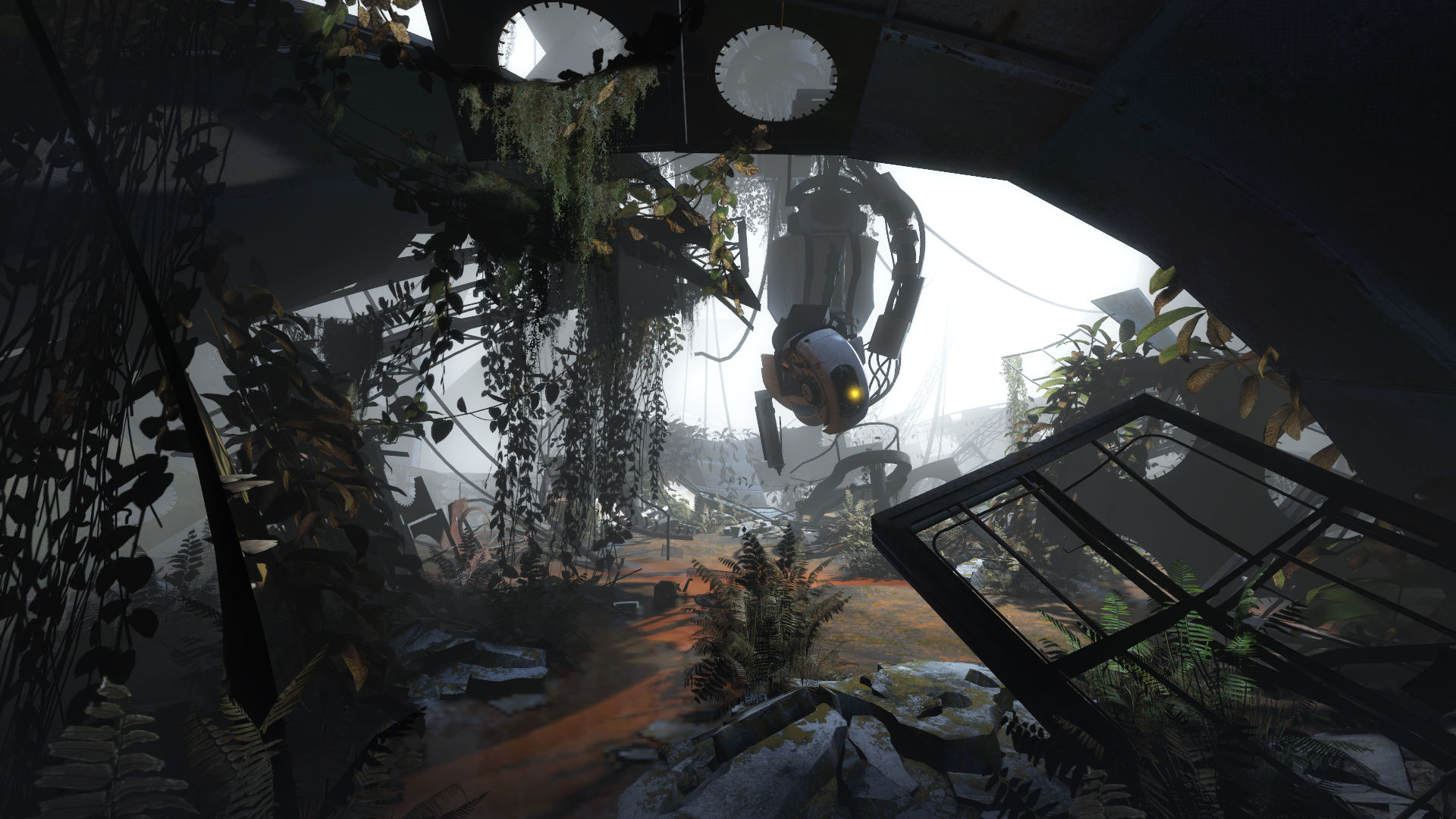
A test chamber overgrown with plants and vines under a hanging round robot
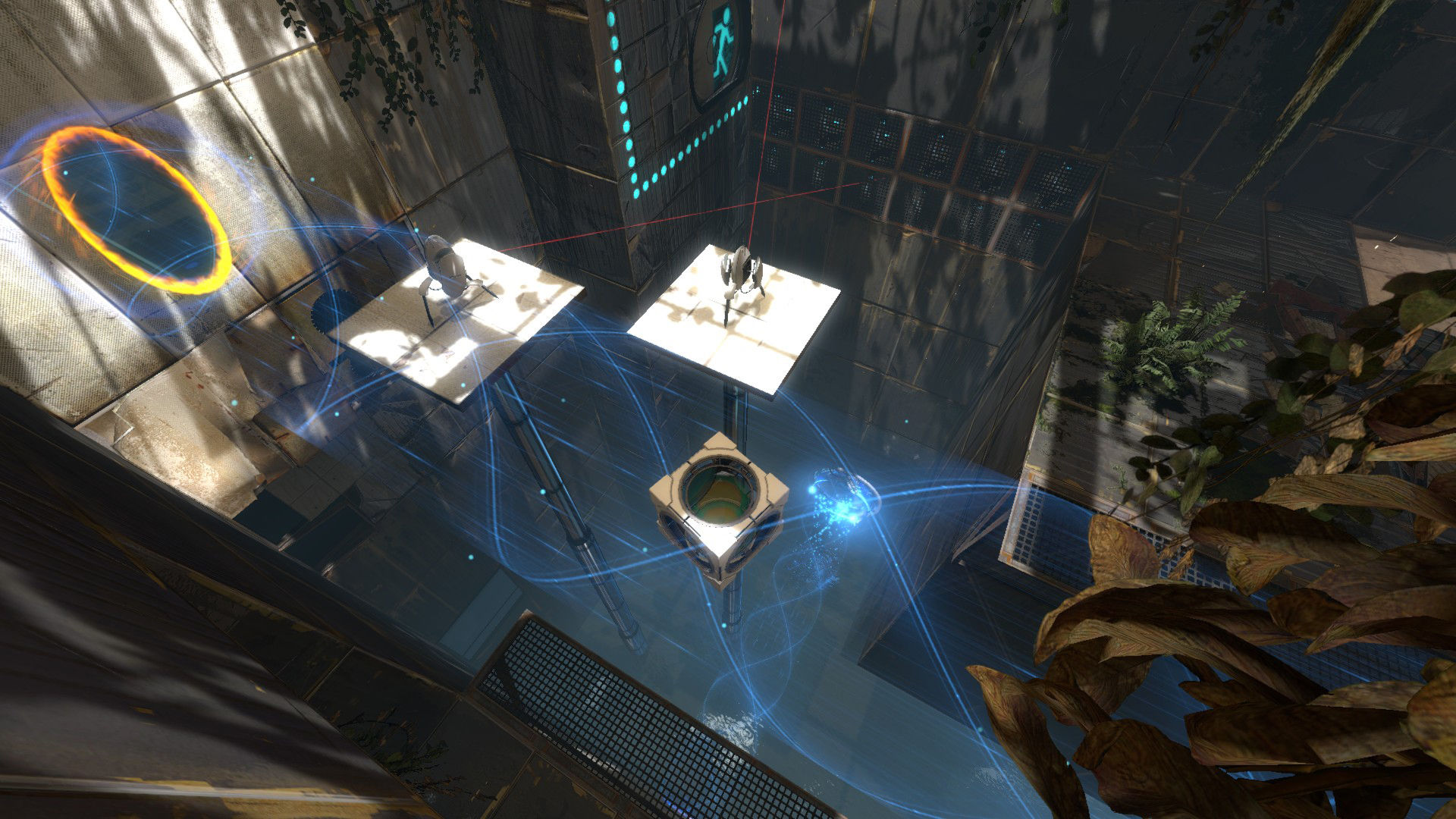
An overgrown test chamber with a portal on the wall and blue light paths
What is Portal 2?
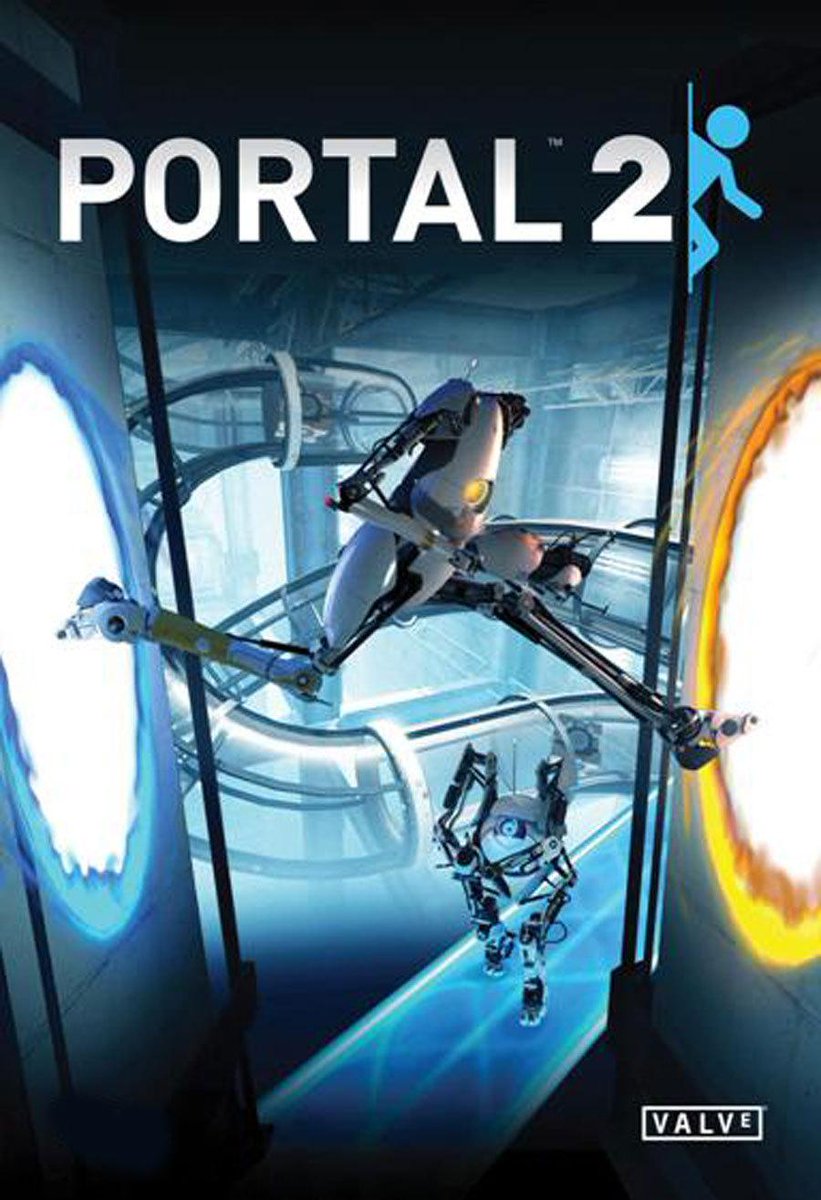
Portal 2 is a first-person puzzle-platform game developed by Valve and released on April 18, 2011, for Windows, macOS, Linux, PlayStation 3, and Xbox 360. Valve published the game, while Electronic Arts handled distribution of the retail copies and the console versions. A Nintendo Switch version followed in June 2022 as part of the Portal: Companion Collection.
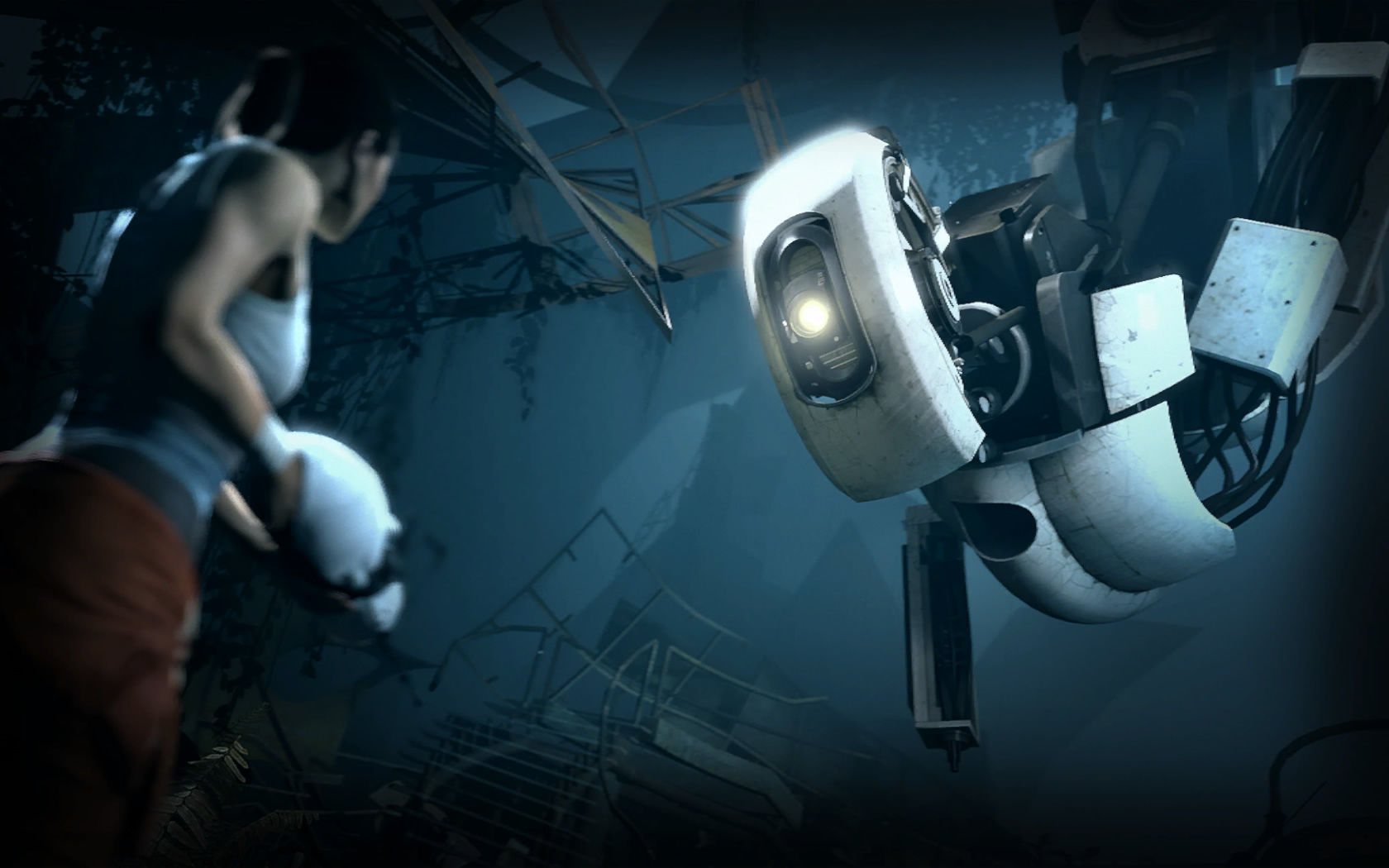
The single-player campaign puts players in control of Chell as she makes her way through the run-down Aperture Science Enrichment Center while the supercomputer GLaDOS rebuilds it. The cast also introduces the robot Wheatley and Aperture’s founder, Cave Johnson. GLaDOS is voiced by Ellen McLain, Wheatley by Stephen Merchant, and Cave Johnson by J. K. Simmons.
As in the original Portal from 2007, the core of the game is solving puzzles by placing two linked portals and moving between them. Portal 2 expands the toolset with excursion funnels, lasers, light bridges, and paint-like gels that change how the player moves or let portals be placed on any surface. Some areas are self-contained test chambers with a clear entrance and exit, while others take place behind the scenes, where the goal is less obvious.
Alongside the story campaign, a separate cooperative mode lets two players work through puzzles together as the robots Atlas and P-Body, both voiced by Dee Bradley Baker. After launch, Valve added downloadable content and a simplified map editor so that players could build their own levels and share them with others.
Valve announced the game in March 2010 and promoted it with alternate reality games, including the Potato Sack, which involved several independent developers. Jonathan Coulton and the National contributed songs. Critics praised its gameplay, learning curve, pacing, dark humor, writing, and acting, and many publications have listed it among the greatest video games ever made.
There is currently no review for this game.
