Minecraft
Release details, media and our verdict on Minecraft.
| Developers: | Mojang |
|---|---|
| Publishers: | Microsoft Game Studios |
| Platforms: | PC, PS3, PS4, Switch, Wii, Wii U, XB 360, XB One |
| Release: | |
| Genres: | Sandbox, Survival |
Media Gallery
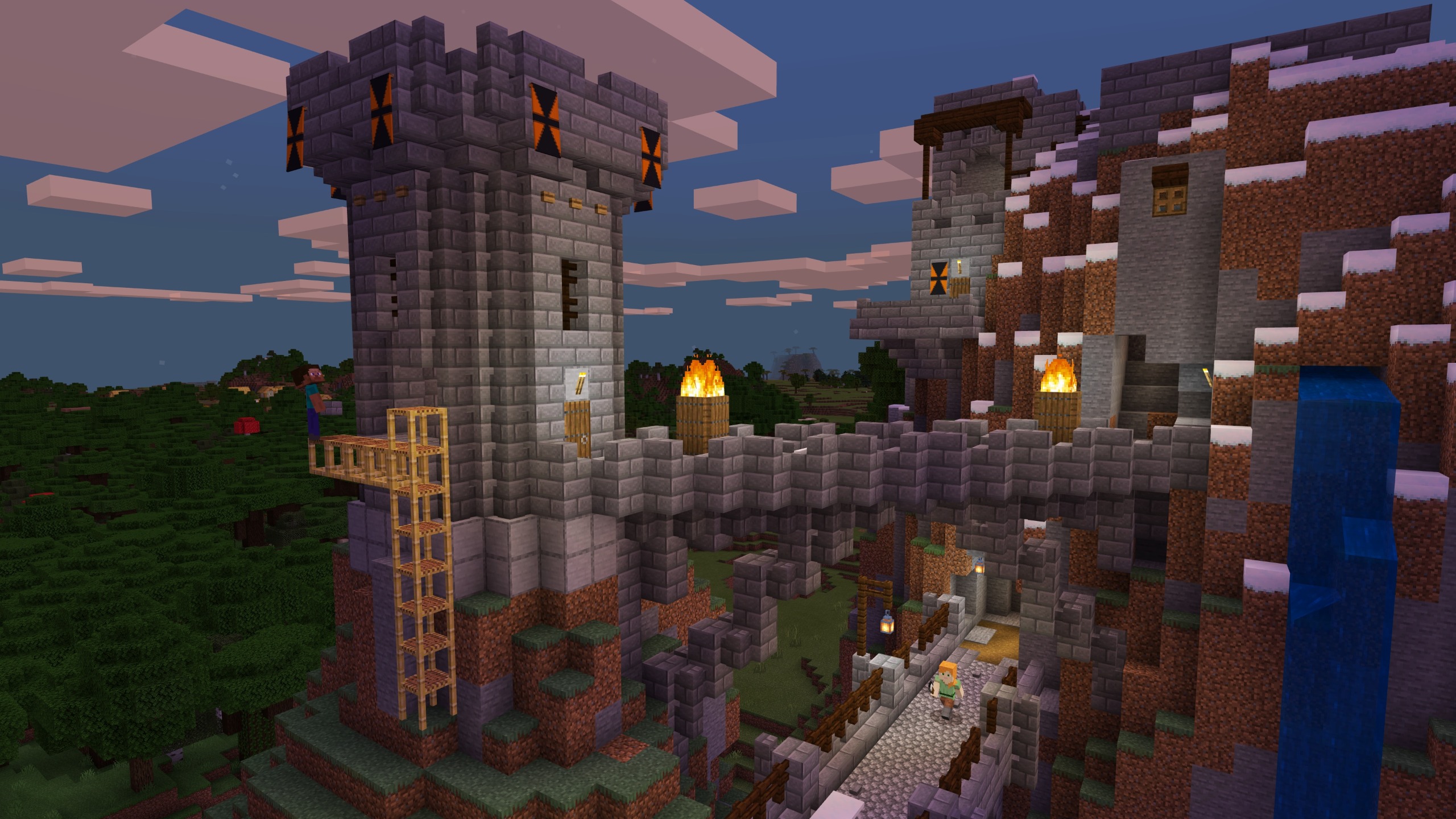
Steve and Alex build a castle and watchtower into a hillside
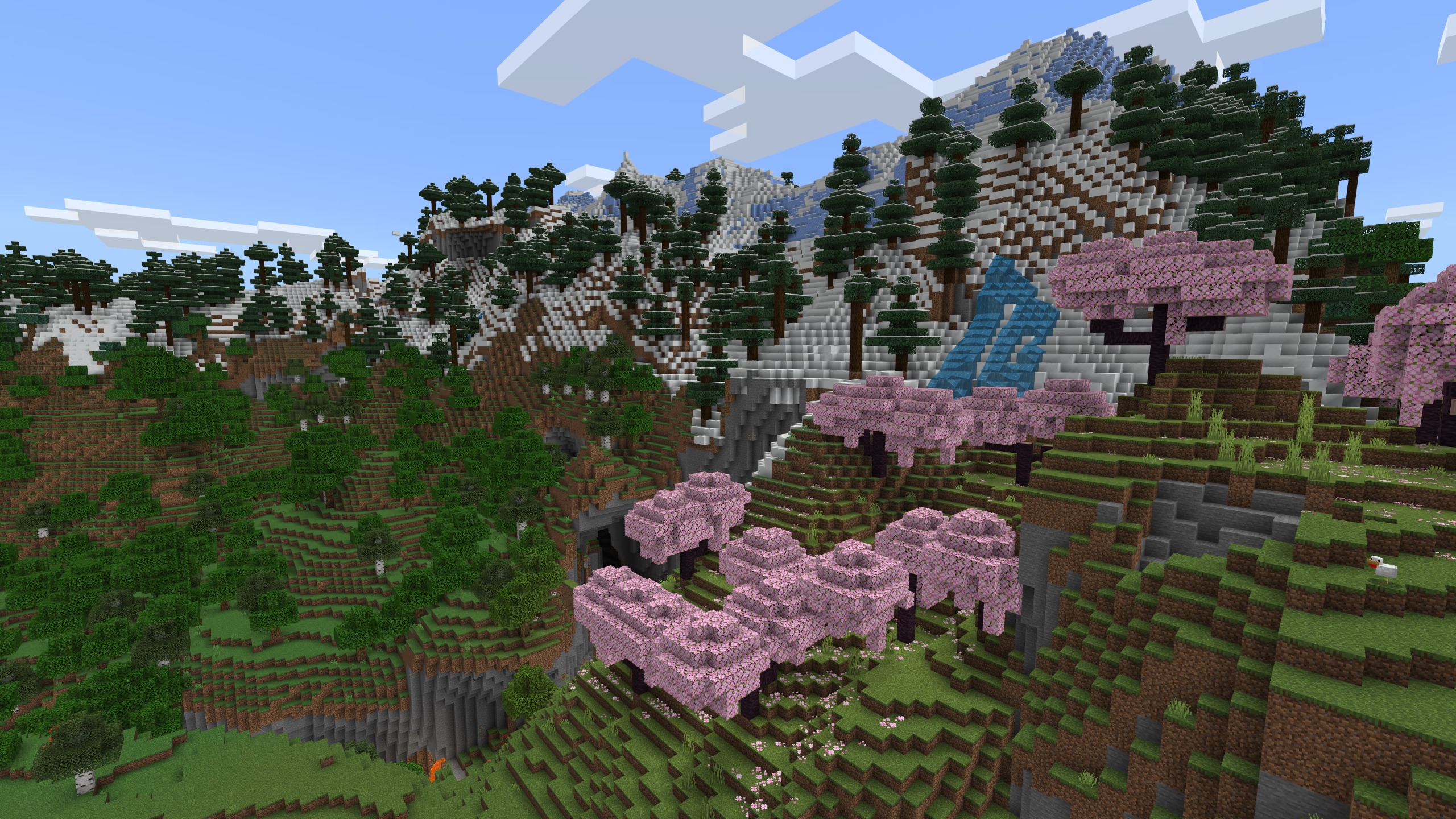
A snow-topped mountainside covered in oak, pine, and cherry trees
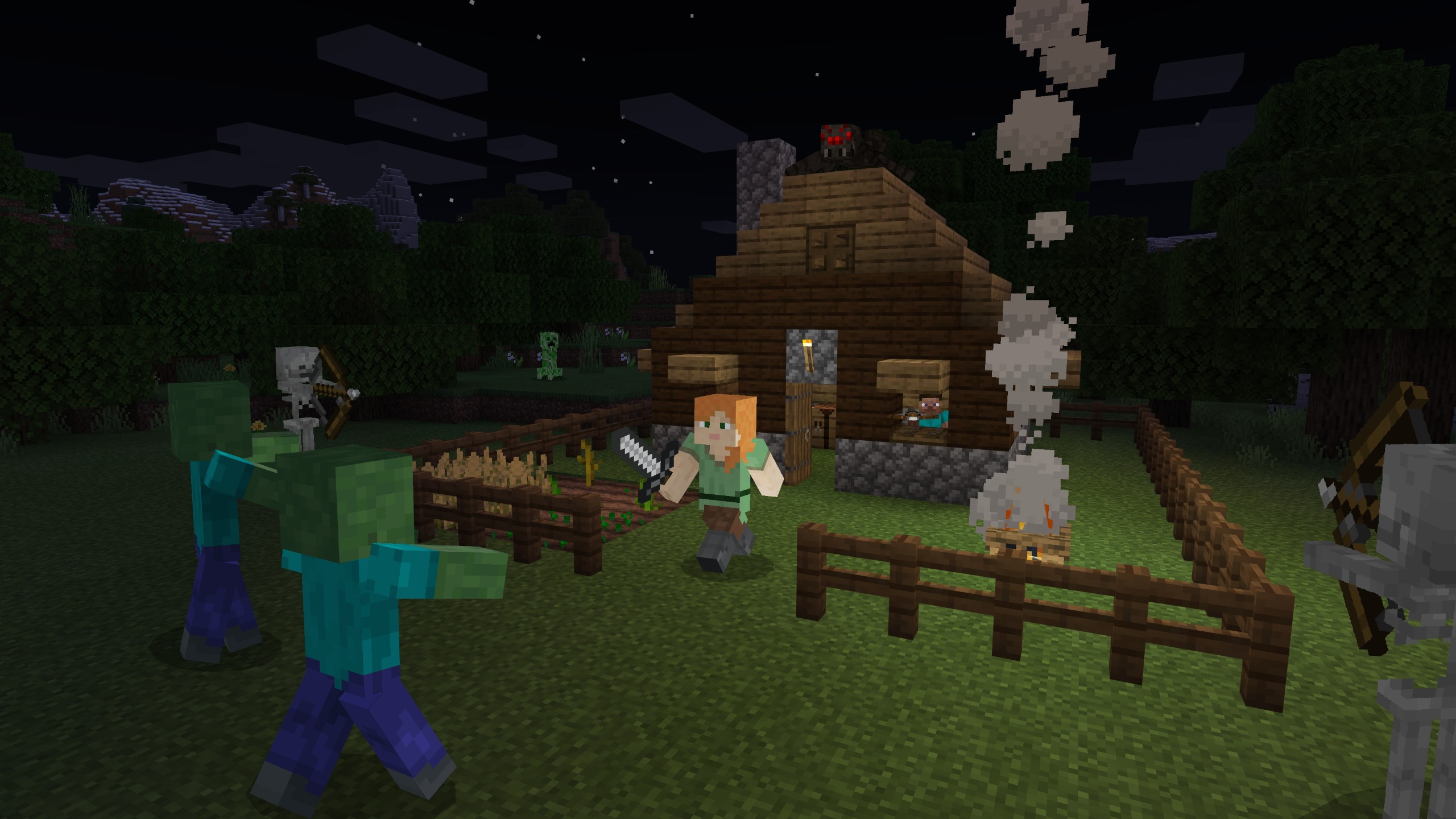
Zombies, skeletons, and creepers approach a small house at night
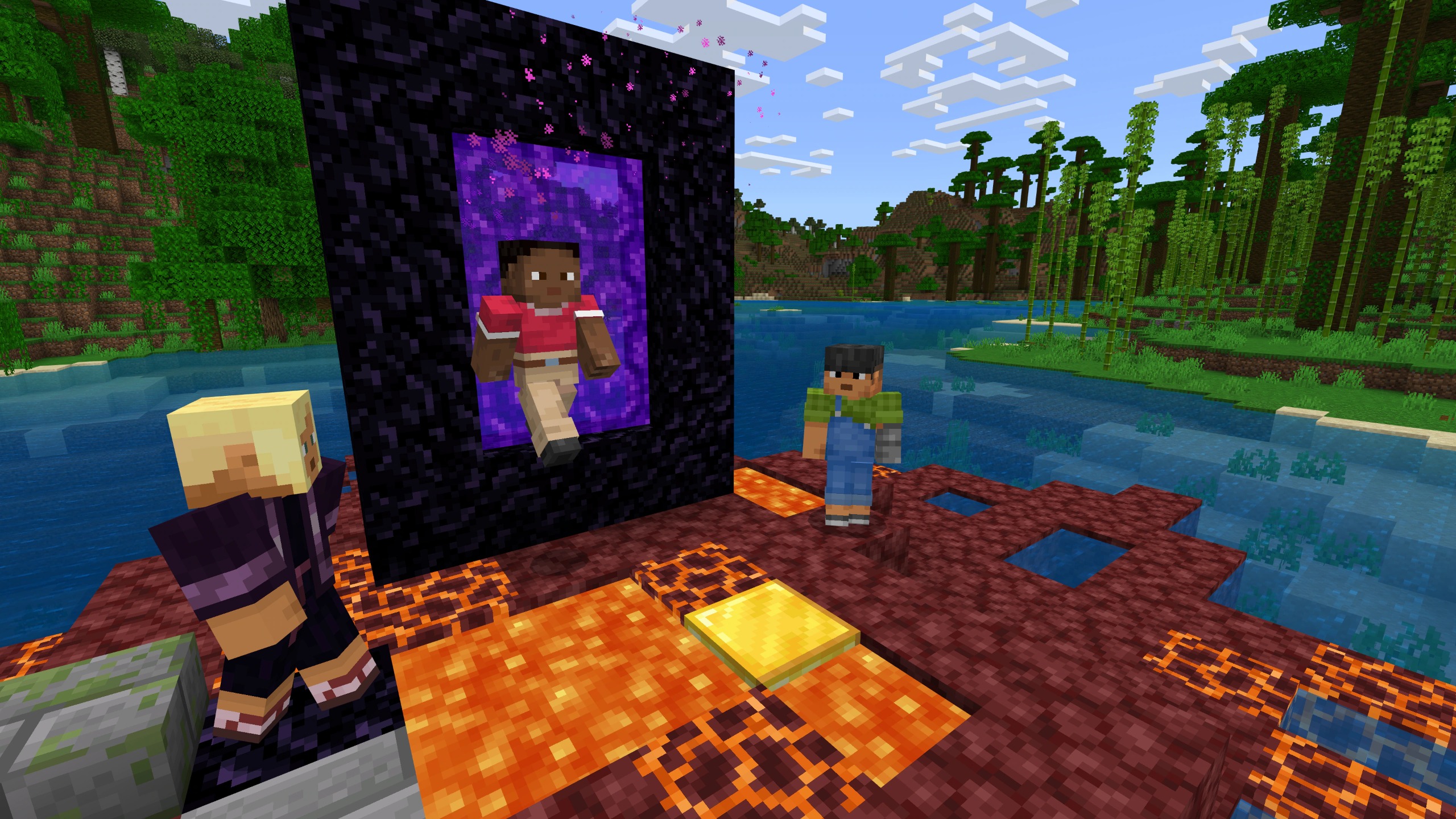
Three characters step out of a Nether portal
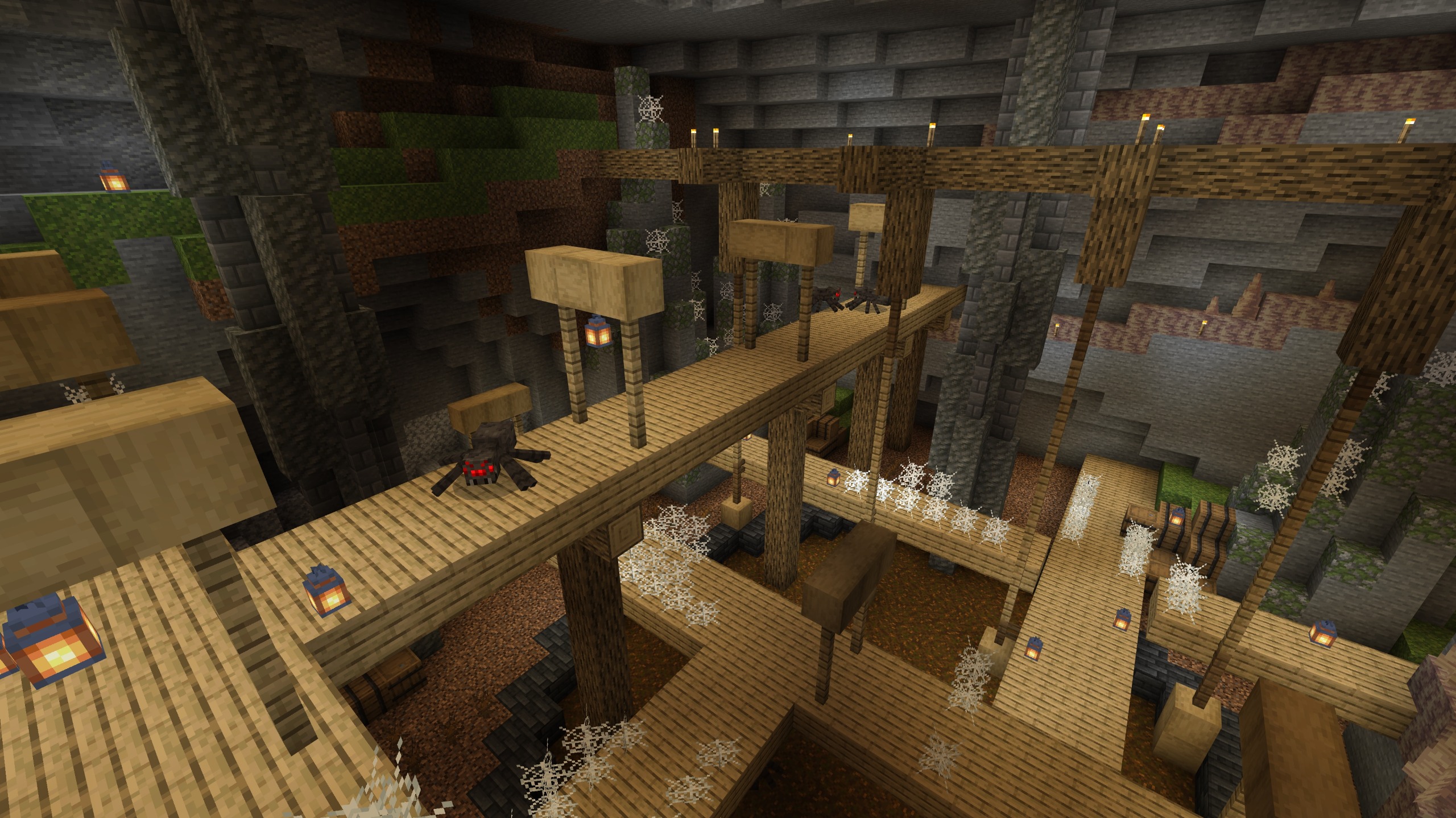
Wooden walkways covered in spiders and cobwebs crisscross a dark cavern
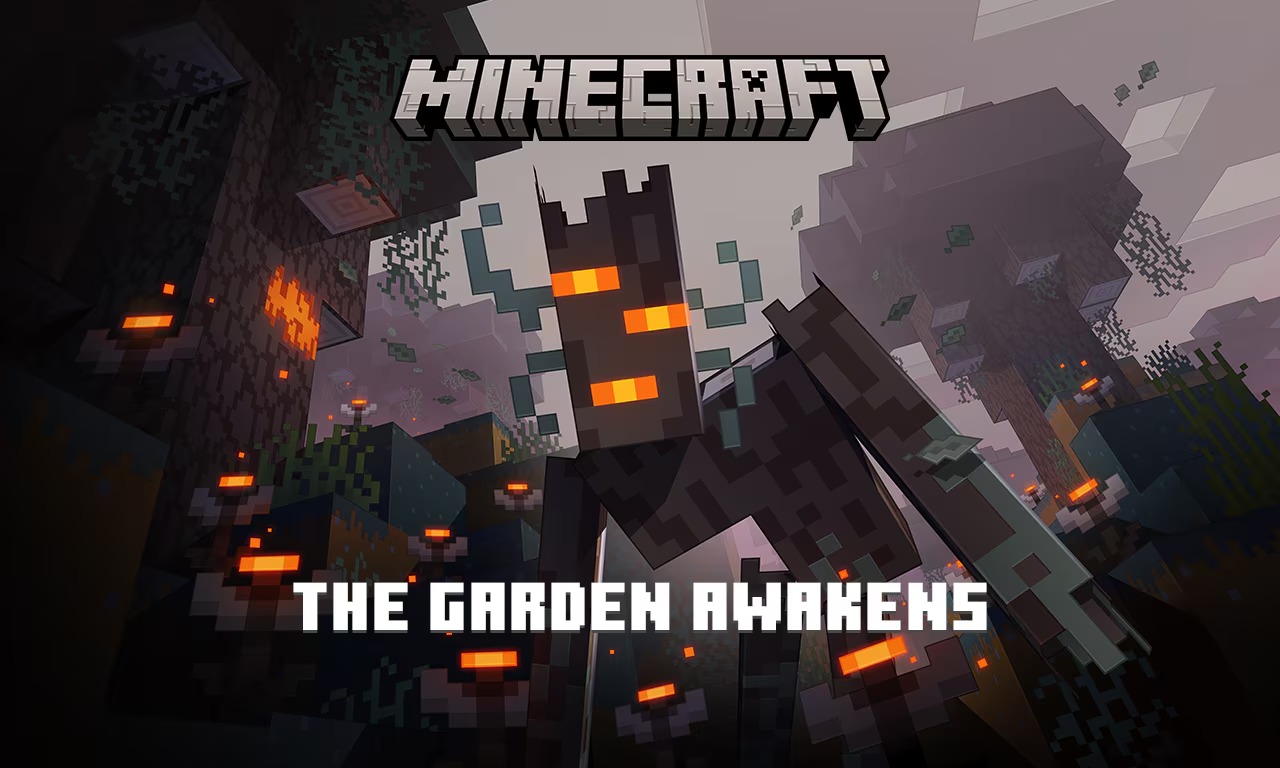
The Garden Awakens key art featuring the Creaking
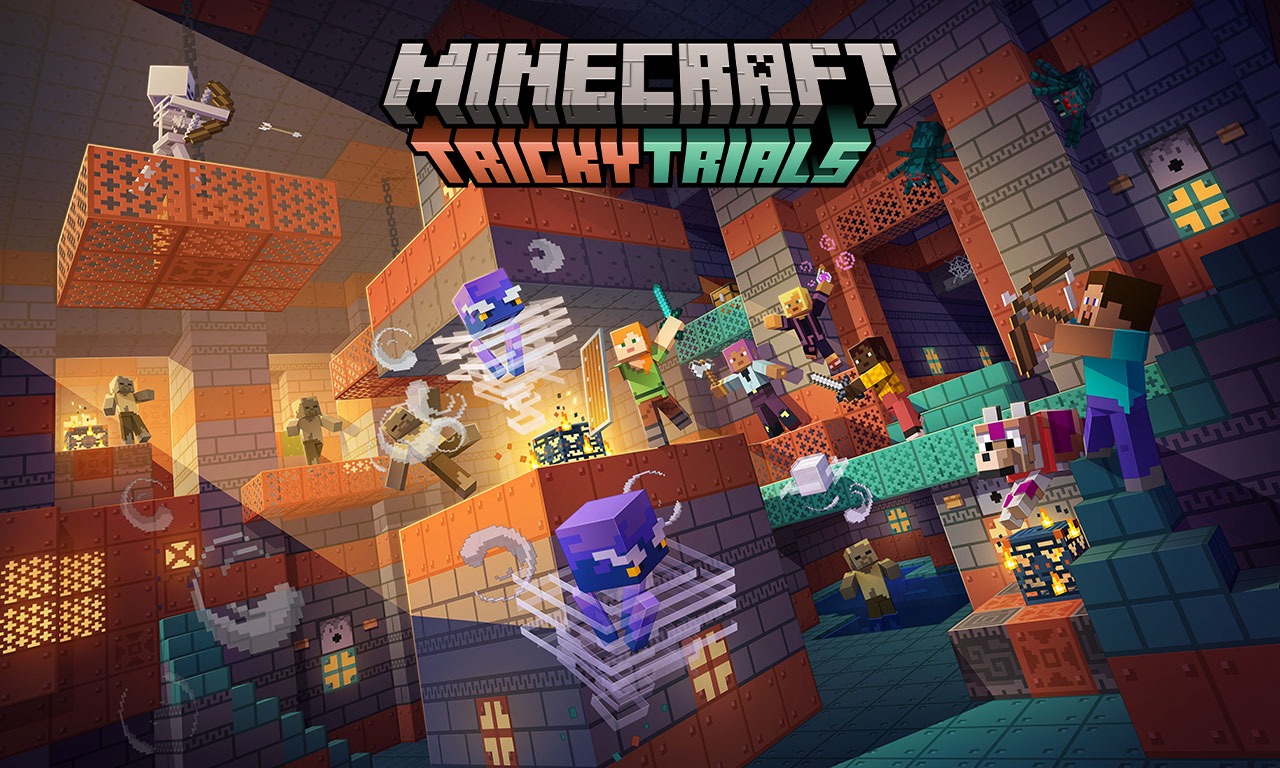
Tricky Trials key art with Steve, Alex, and other characters battling breezes and bogged
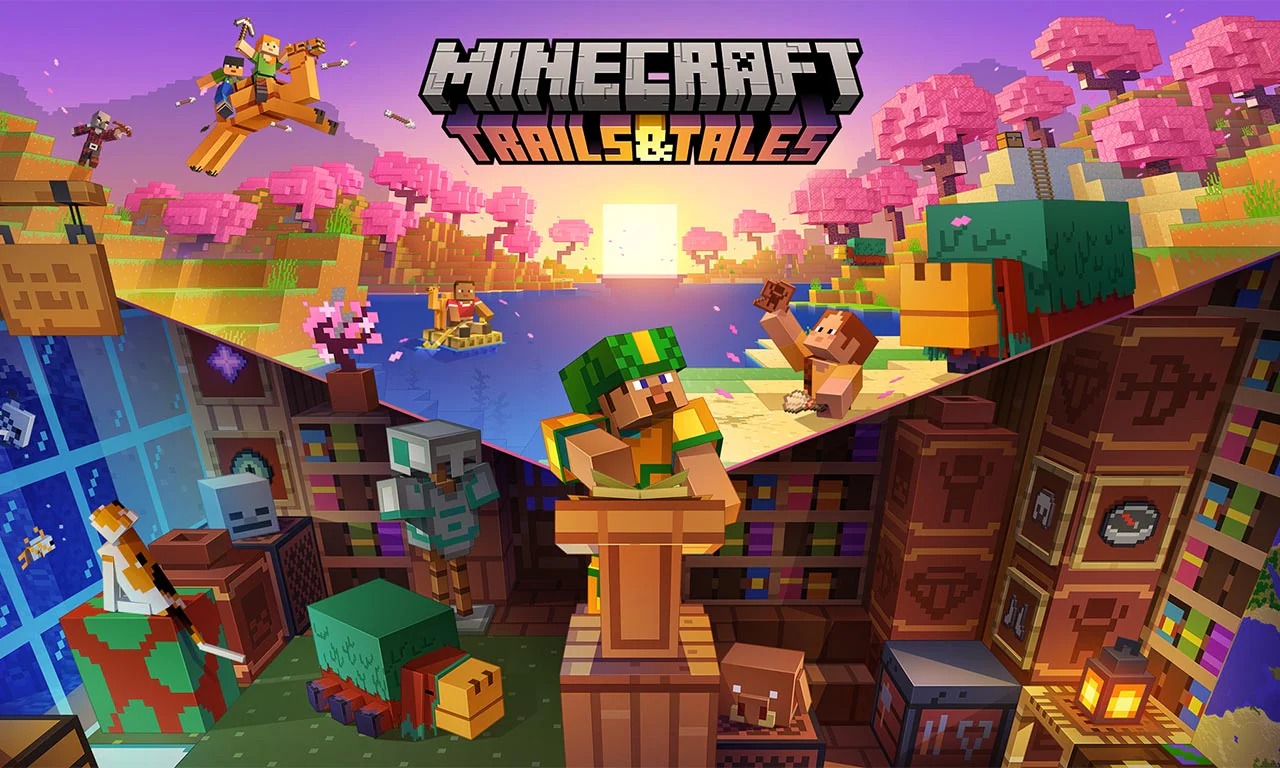
Trails & Tales key art
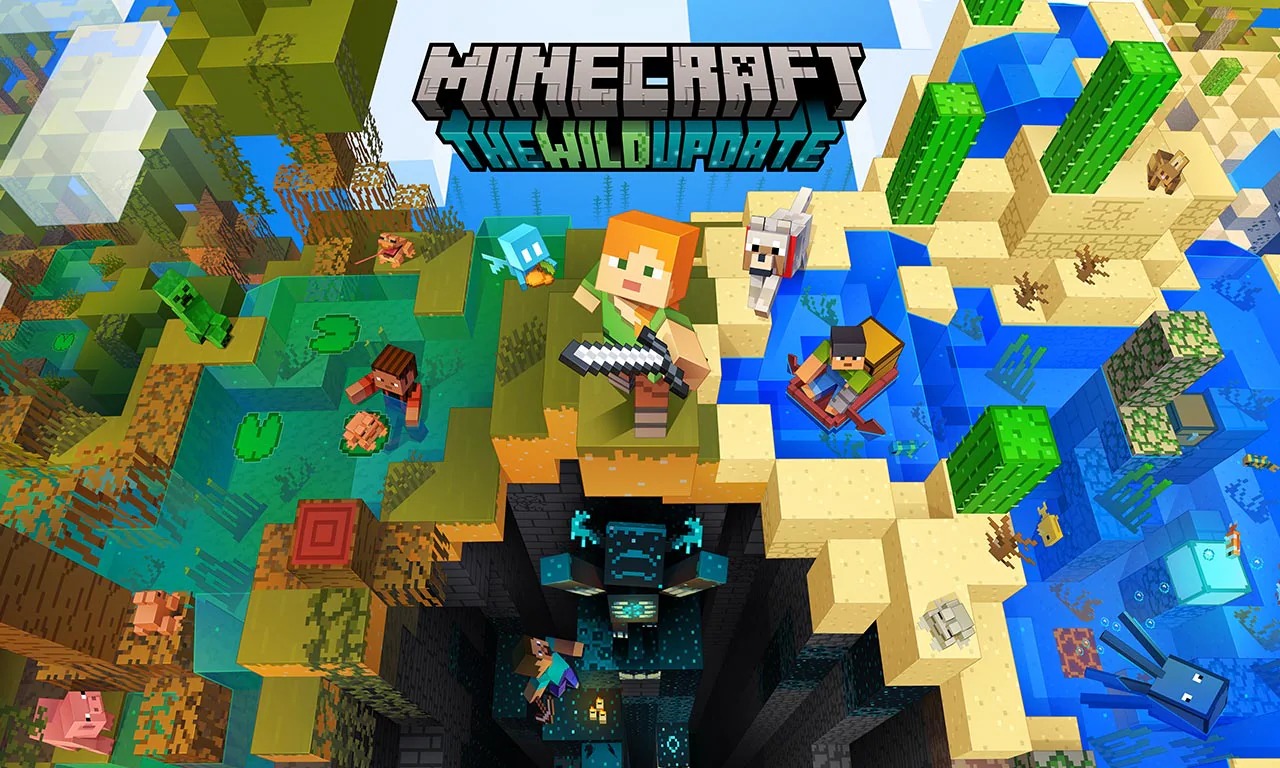
The Wild Update key art
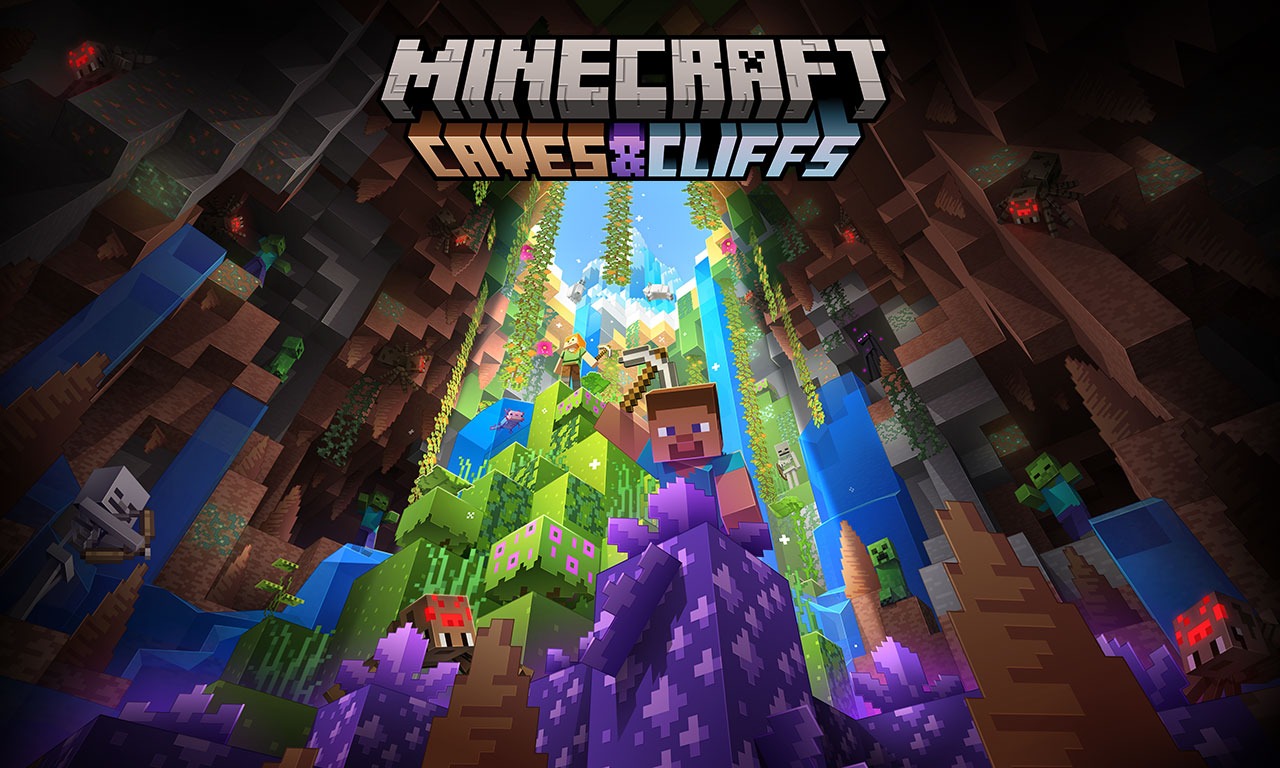
Caves & Cliffs key art
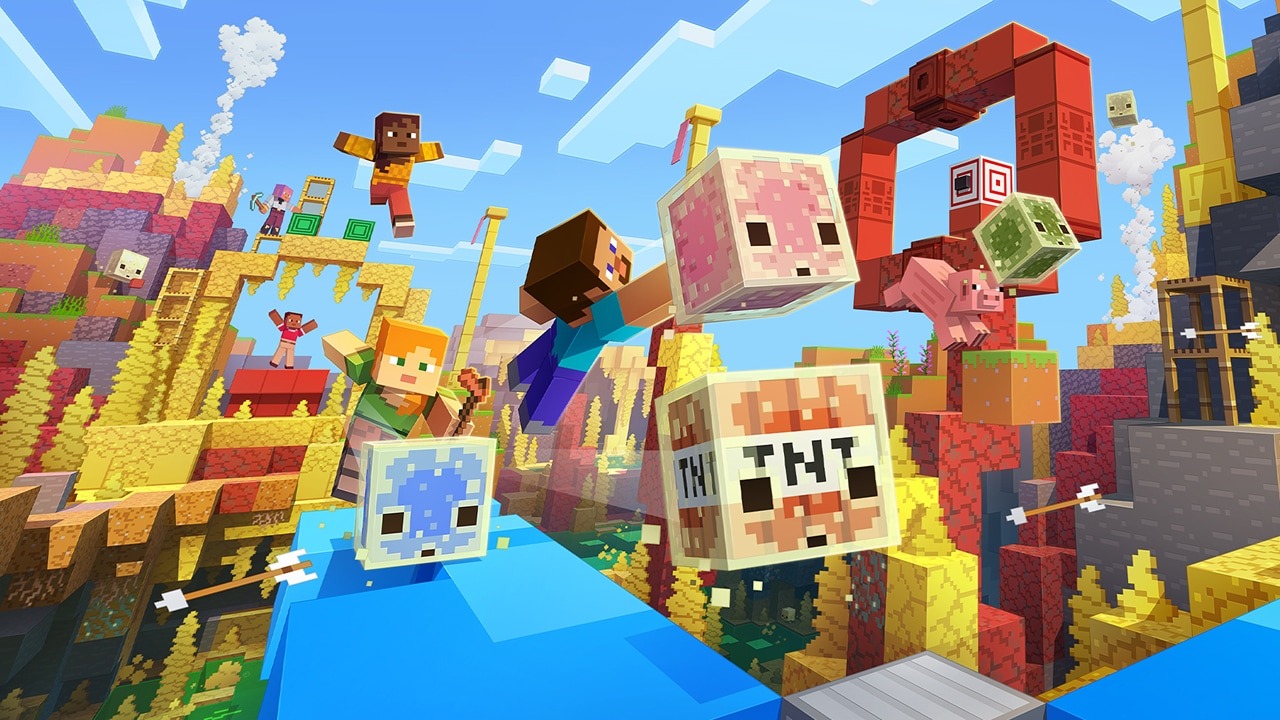
Characters run across colorful sulfur blocks
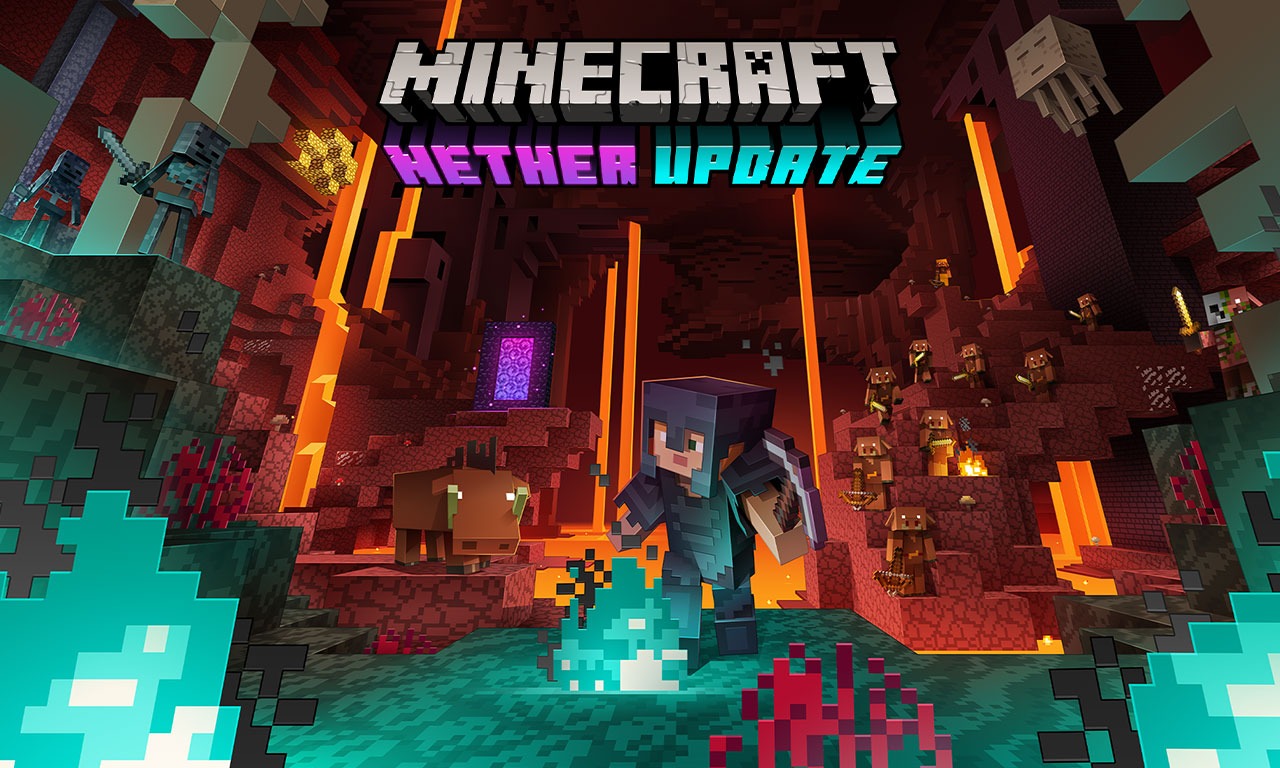
Nether Update key art
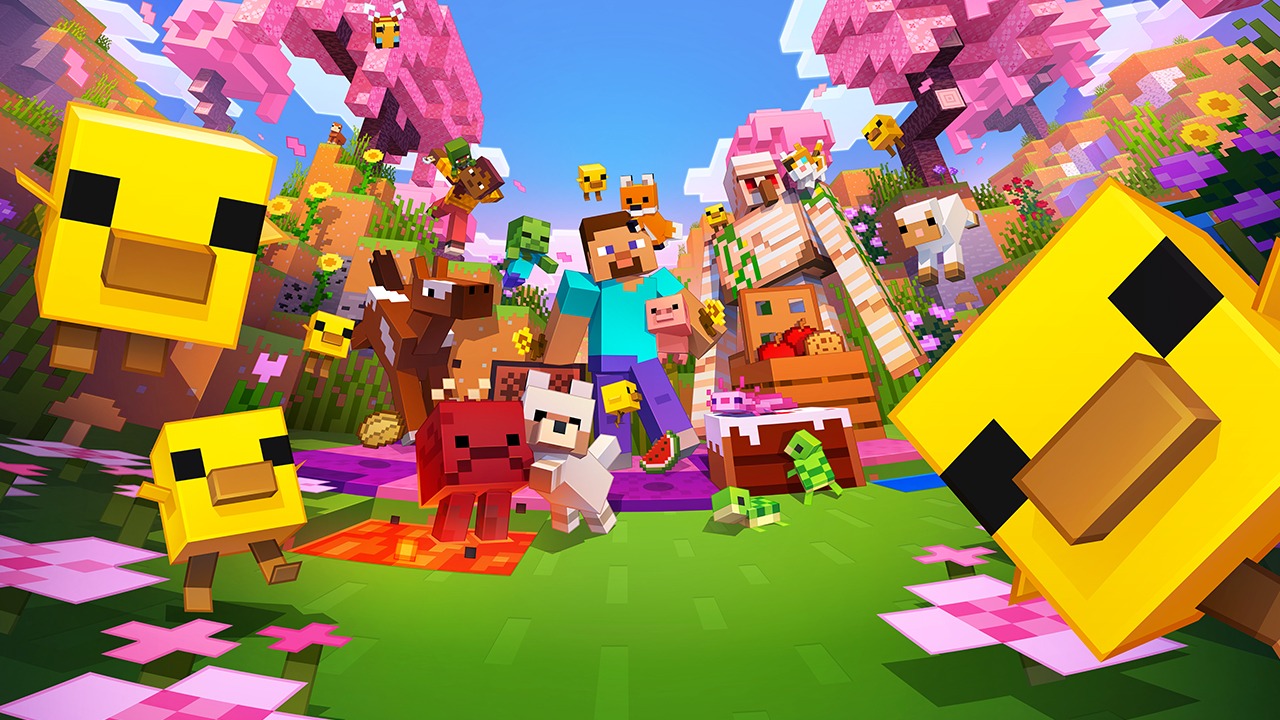
Spring Game Drop 2026 key art with Steve and an iron golem having a picnic in a cherry grove
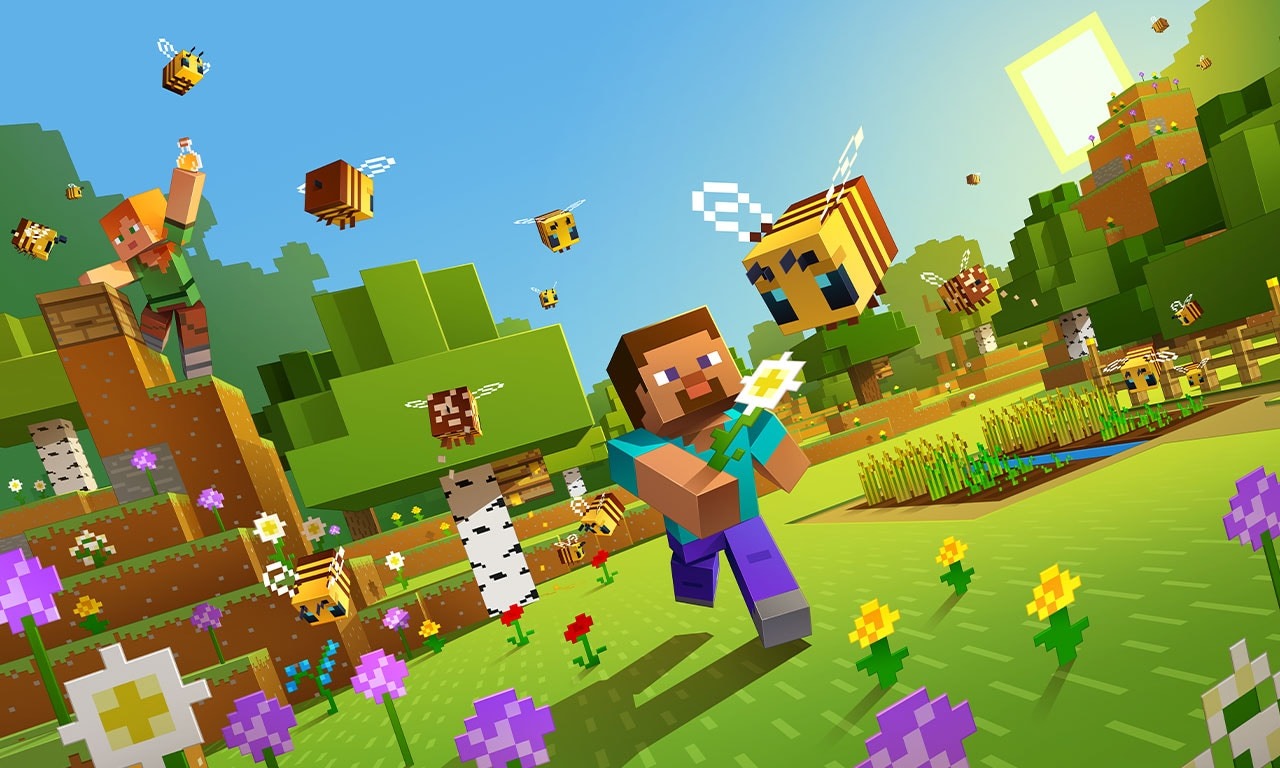
Buzzy Bees key art
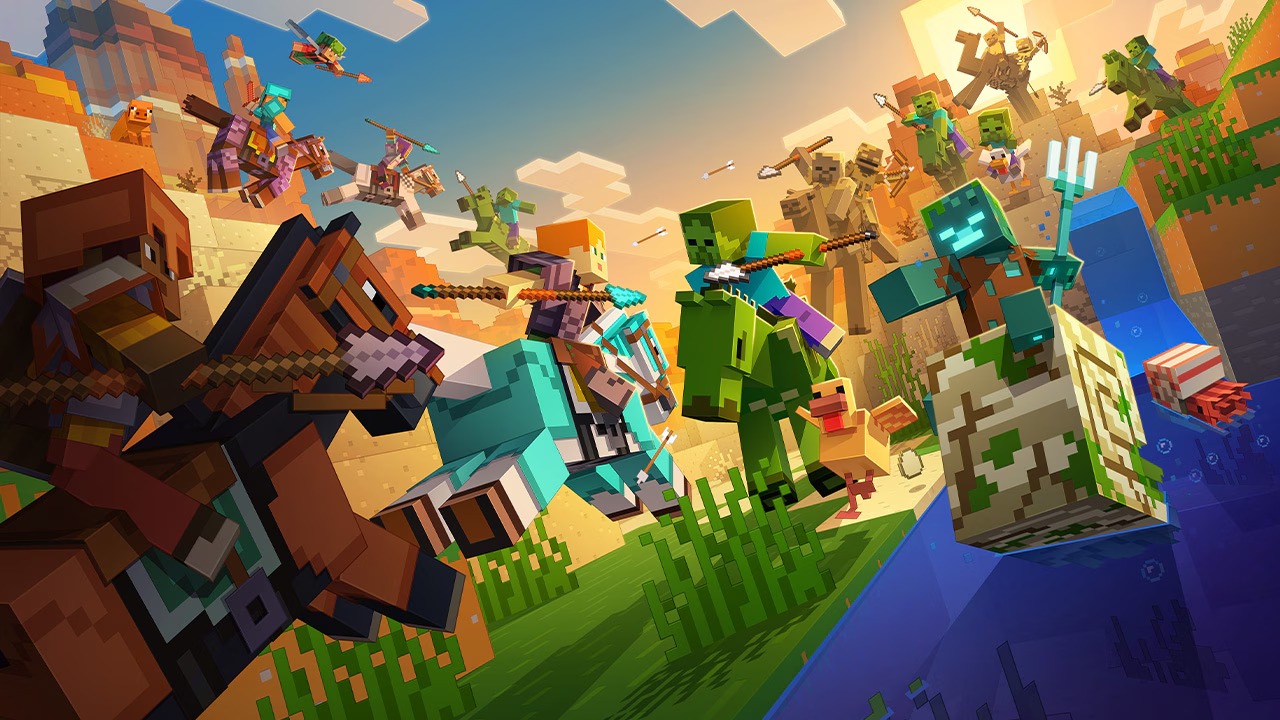
Holiday Game Drop 2025 key art with several characters carrying spears during a joust
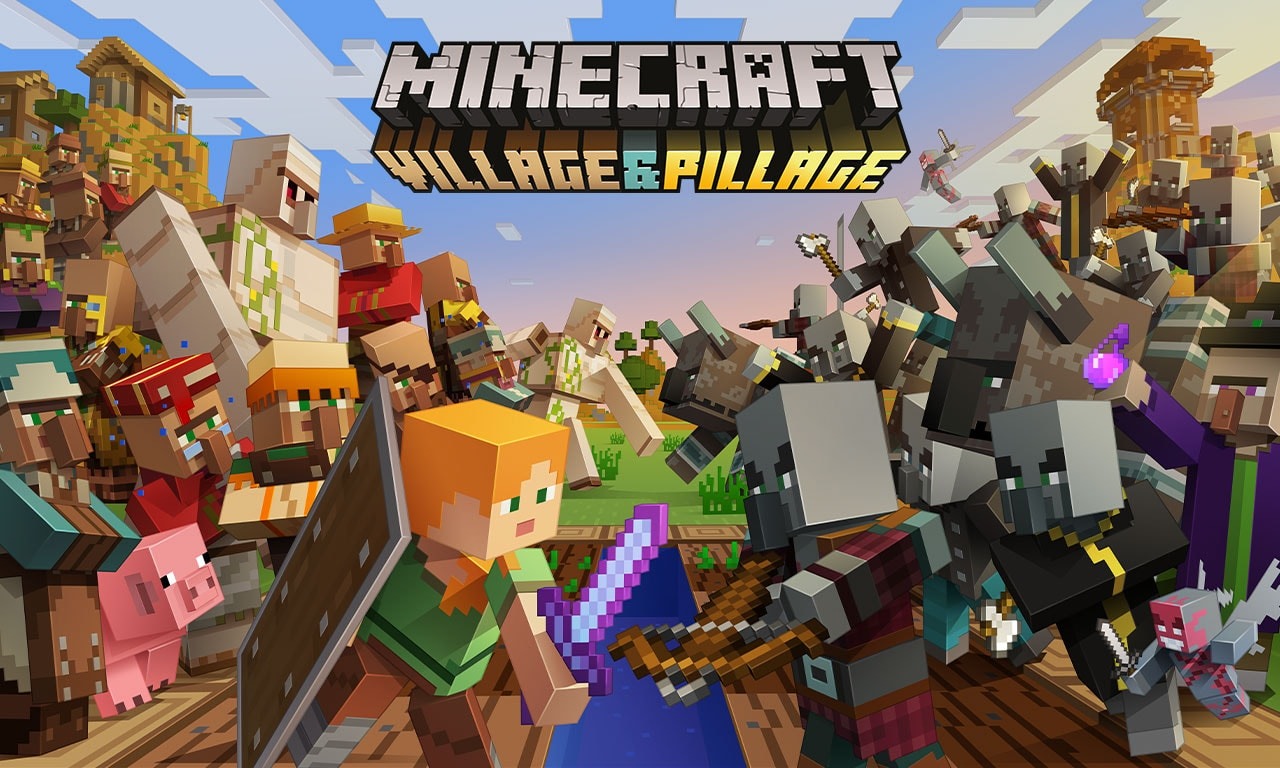
Village & Pillage key art

Fall Drop key art of a copper-themed dungeon with an armored player leaping forward
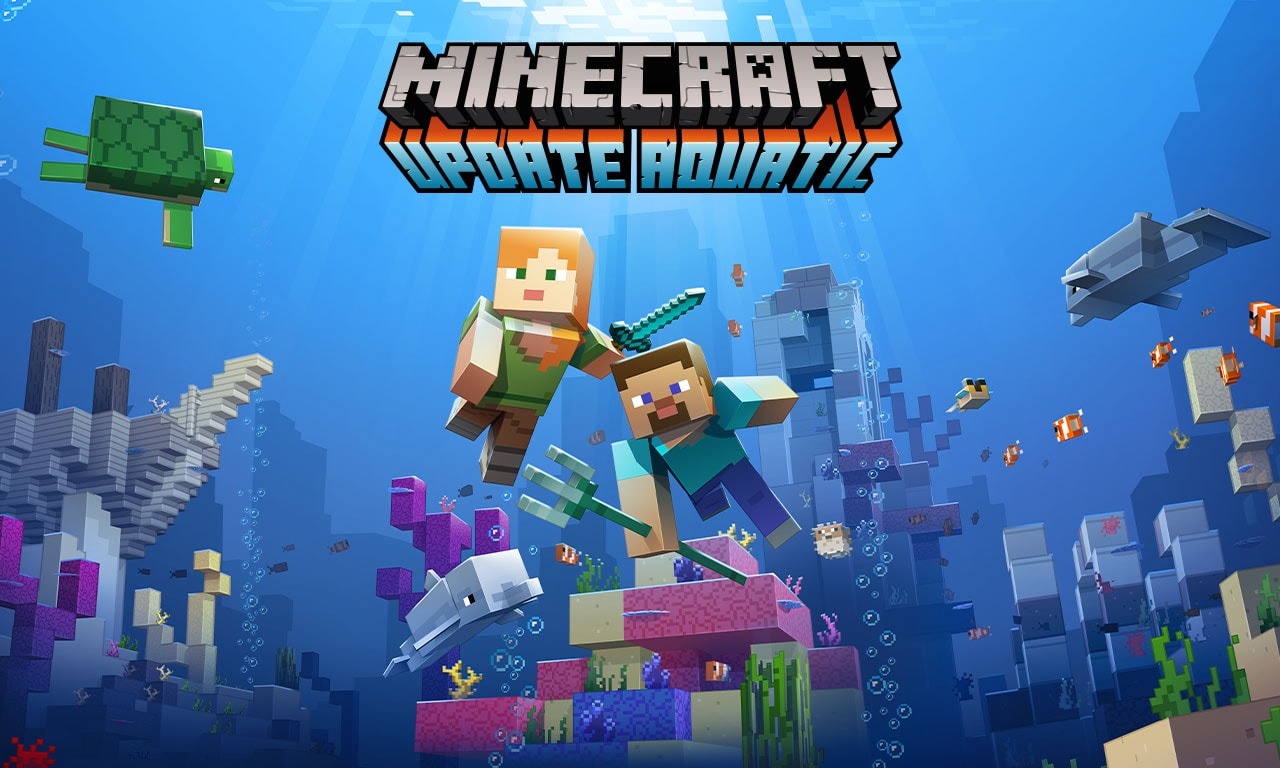
Update Aquatic key art
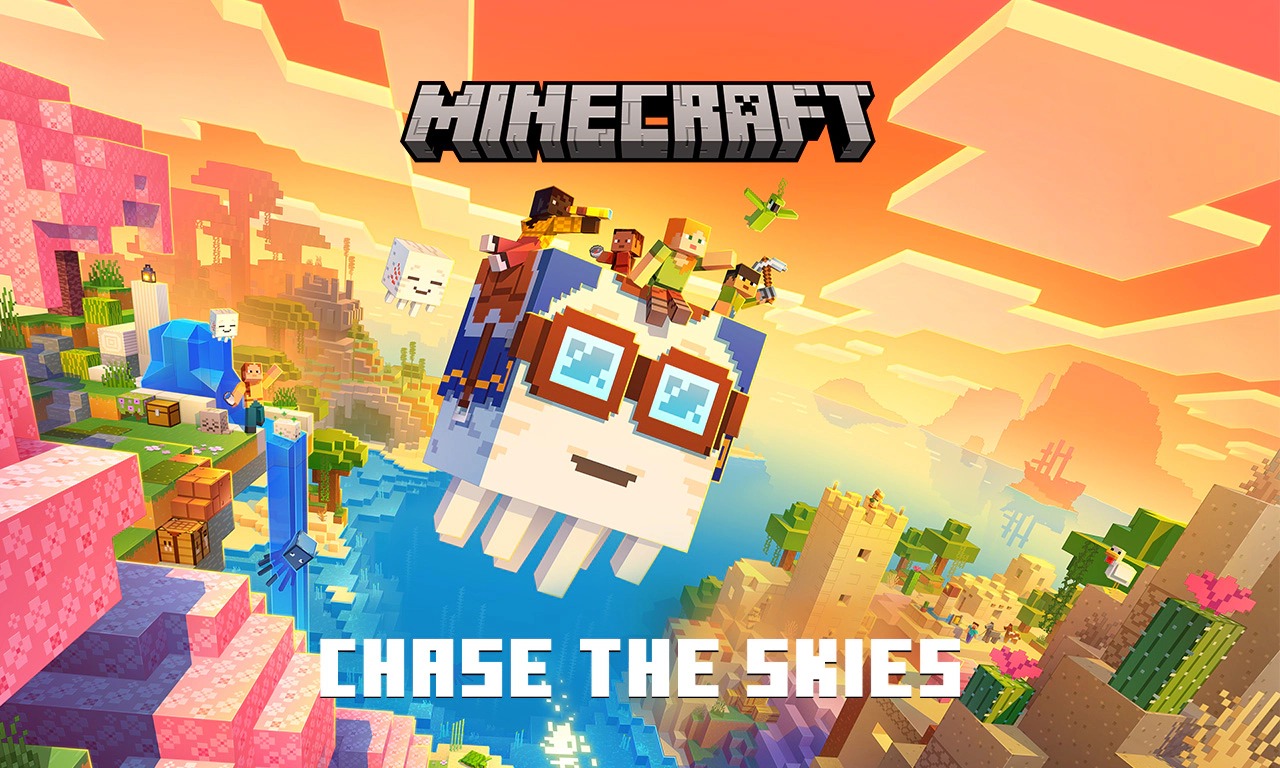
Chase the Skies key art with four characters riding a happy ghast
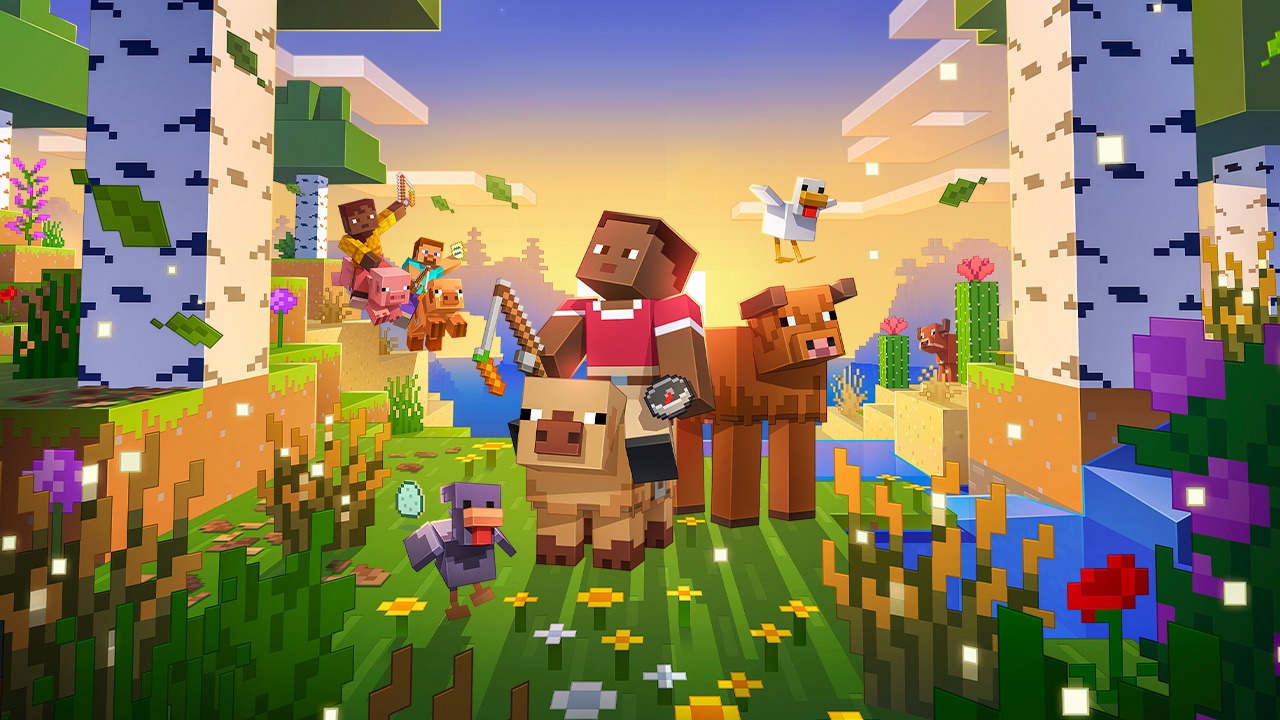
Spring Drop key art with cold mob variants and a player surrounded by fireflies
What is Minecraft?
Minecraft is a sandbox video game developed and published by the Swedish studio Mojang Studios. Creator Markus “Notch” Persson put out the first public alpha build on May 17, 2009, and the full release for personal computers followed on November 18, 2011. The game has since come to mobile devices and many consoles, including Xbox, PlayStation, and Nintendo systems. Microsoft bought Mojang and the Minecraft property in 2014, and today the game exists mainly as the original Java Edition and the cross-platform Bedrock Edition, which took the place of the older console versions.
Each game takes place in a world built from blocks arranged in a 3D grid, standing for materials like dirt, stone, ores, wood, water, and lava. Worlds are procedurally generated from a seed and divided into biomes, and they stretch out as players explore. There are three dimensions linked by portals: the Overworld where play begins, the lava-filled Nether, and the End, a set of floating islands where the Ender Dragon guards the central island. Beating the dragon brings up the credits and the End Poem by Julian Gough, the game’s only real narrative text, after which play can carry on.
The heart of the game is mining blocks and placing them somewhere else to build. There are no required goals, though there is an optional achievement system. Players craft armor, weapons, tools, and functional blocks such as furnaces and torches, trade emeralds with villagers, and can use redstone to make mechanical devices and logic circuits. A full day and night cycle lasts 20 real-time minutes, and hostile mobs like zombies, skeletons, and creepers appear at night or in dark places.
In Survival mode, players gather resources, keep an eye on health and hunger, and earn experience points that can go toward enchanting gear. Hardcore mode fixes the difficulty at Hard and adds permadeath, while Adventure mode stops players from changing the world directly and was made for custom maps. Creative mode hands over almost every block and item without limit, along with the ability to fly. Multiplayer covers LAN play, split screen on consoles, and servers, including the Minecraft Realms hosting service, and Bedrock Edition adds the Marketplace for buying community-made content with Minecoins.
Persson drew on Infiniminer when shaping the game, and Jens “Jeb” Bergensten took over as lead developer in December 2011. C418 made the original music and sound effects, with Lena Raine and others adding music later. The PC version holds a Metacritic score of 93, and Minecraft has won several awards, among them Game Developers Choice Awards in 2011. It is the best-selling video game of all time, with more than 400 million copies sold, and a film adaptation, A Minecraft Movie, came out in 2025.
There is currently no review for this game.
