Metal Gear Solid: Peace Walker
Release details, media and our verdict on Metal Gear Solid: Peace Walker.
| Developers: | Kojima Productions |
|---|---|
| Publishers: | Konami |
| Platforms: | PS3, PSP, XB 360 |
| Release: | |
| Genres: | Action Adventure, Stealth |
Media Gallery
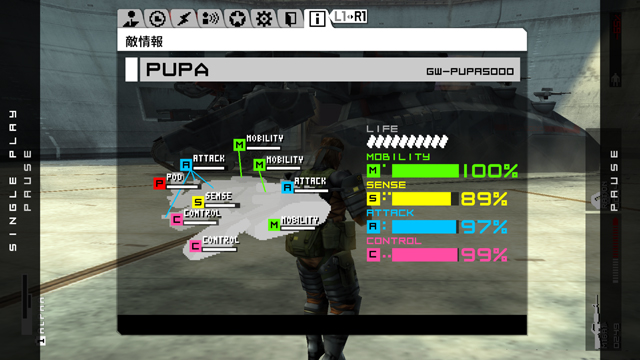
Enemy intel screen showing the attack, mobility and sense ratings of a large machine
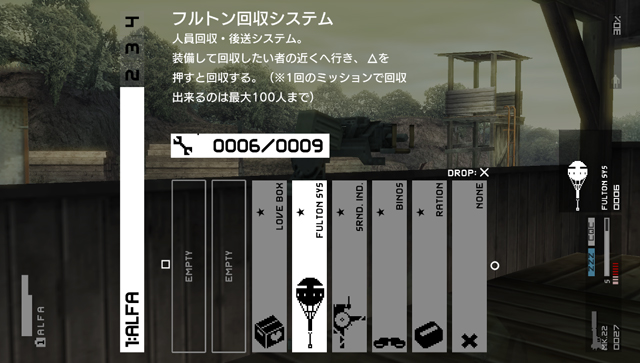
Item selection menu with the Fulton recovery system highlighted during a mission
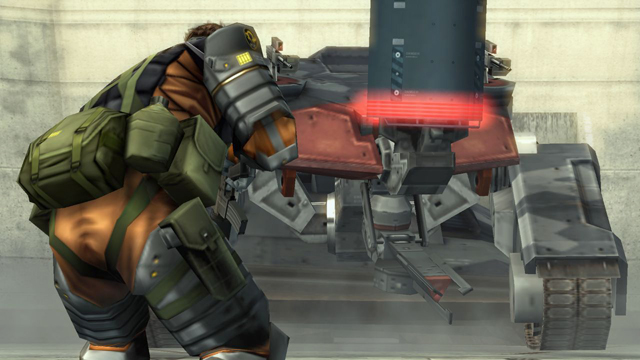
A soldier in heavy armor crouches beside a large armored tank
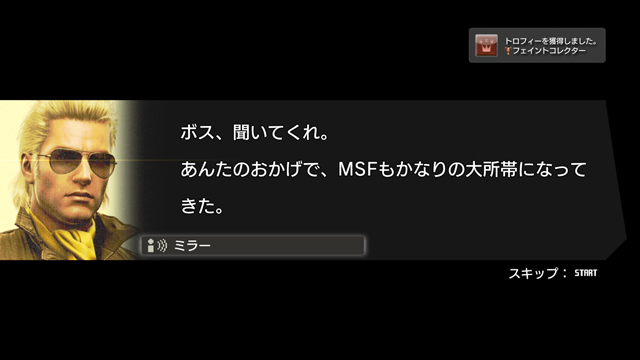
Radio conversation screen with a portrait of a blond man in sunglasses and Japanese dialogue
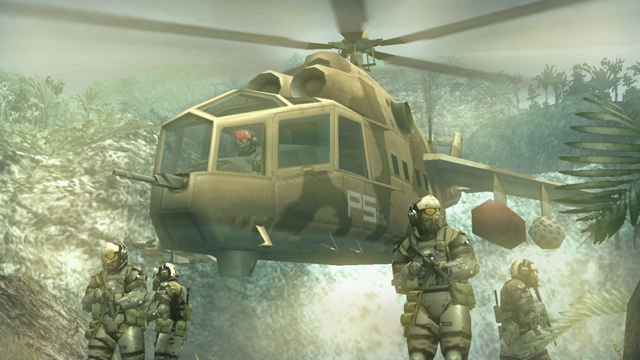
Soldiers in jungle fatigues stand beside a hovering transport helicopter in a misty jungle clearing
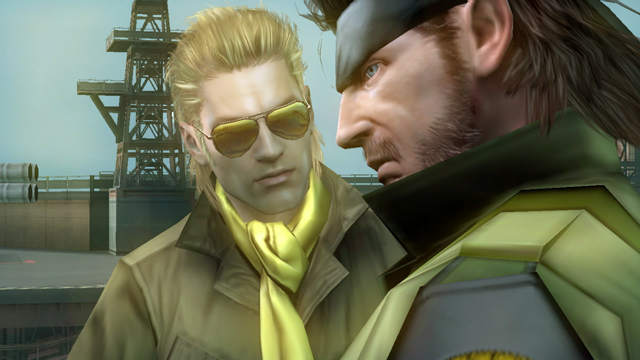
Close-up cutscene of a blond man in aviator sunglasses and a bearded soldier wearing a bandana
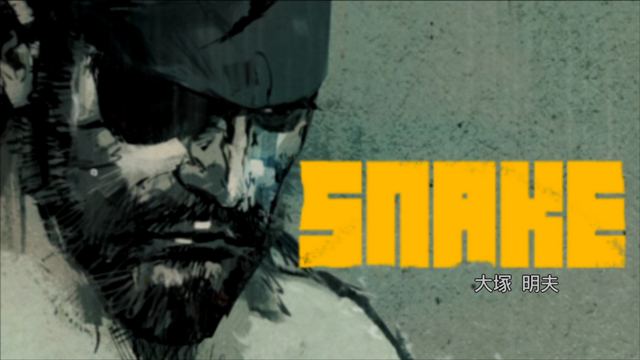
Illustrated character introduction card showing a bearded man in a bandana
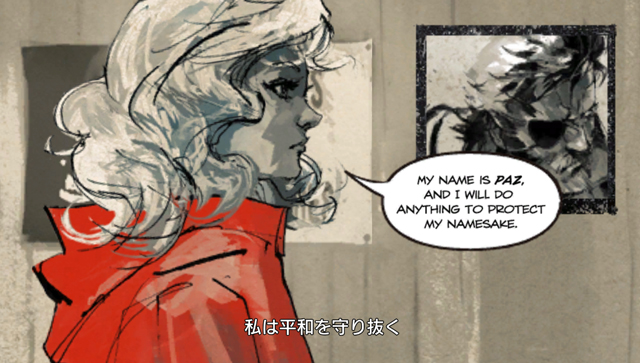
Comic-style cutscene of a young woman in a red coat speaking in a speech bubble
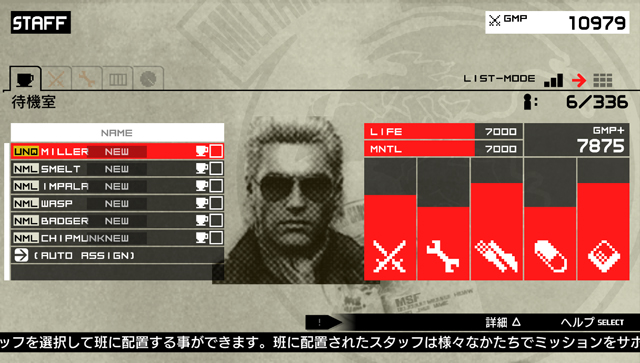
Staff management menu listing recruited soldiers and their stats
What is Metal Gear Solid: Peace Walker?
Metal Gear Solid: Peace Walker is a stealth action-adventure game from Kojima Productions, published by Konami. It first came out on the PlayStation Portable in 2010, launching in Japan on April 29 and reaching North America that June. Hideo Kojima wrote, directed and designed it, and it counts as the seventh main entry in the Metal Gear series. In 2011 an HD Edition arrived on PlayStation 3 and Xbox 360 as part of the Metal Gear Solid HD Collection, and that version was later carried into Metal Gear Solid: Master Collection Vol. 2 in 2026.
The story picks up in 1974, a decade after the events of Metal Gear Solid 3: Snake Eater. Snake now runs a small mercenary outfit called Militaires Sans Frontières with his deputy, Kazuhira Miller, from a base on the Colombian coast. A professor and his student ask the group to look into a heavily armed force that has quietly taken over parts of Costa Rica, a country with no standing army. The trail leads to a CIA plan built around Peace Walker, a nuclear-armed walking weapon controlled by an artificial intelligence, and to questions about the fate of The Boss, Snake’s former mentor.
Play is split between field missions and base management. Main Ops move the plot forward in a fixed order, while Extra Ops offer optional side objectives such as target practice or document retrieval, and every mission is graded at the end, with quiet, nonlethal play earning better results. Enemy soldiers and prisoners can be knocked out and lifted away with the Fulton Recovery System, then put to work at Mother Base, an offshore platform in the Caribbean. There, recruits are assigned to combat, research, medical, intelligence and kitchen teams, new weapons are developed from recovered blueprints, and squads can be sent on Outer Ops battles. Large AI-driven vehicles serve as bosses, and parts salvaged from them help build MSF’s own walking tank, Metal Gear ZEKE.
Beyond the solo campaign, most missions support cooperative play in a mode called Co-Ops, with two players for infiltration and up to four for fights against large vehicles. Partners can move in formation, revive one another and share items. Versus Ops adds competitive matches for up to six players, including deathmatch, team and capture modes. Story scenes alternate between 3D cutscenes and illustrated motion comic sequences, some of which include quick-time prompts. The release was supported by a range of promotional tie-ins, including collaborations with Monster Hunter, Assassin’s Creed, Walkman players and Japanese drink and clothing brands.
Kojima originally intended to hand the project to other staff, but took over as director while still working on Metal Gear Solid 4: Guns of the Patriots so that its message would reach younger players. The team was roughly as large as the one behind Metal Gear Solid 4, and the game was planned for the PSP largely because of its local co-op features. Critics responded strongly, with a Metacritic score of 89 and a perfect 40 out of 40 from Famitsu, a first for a PSP title. Sales were strong in Japan but weaker in the West, and the PSP version had reached about 1.99 million copies by 2014. Its story continues in Metal Gear Solid V: Ground Zeroes.
There is currently no review for this game.
