Limbo
Release details, media and our verdict on Limbo.
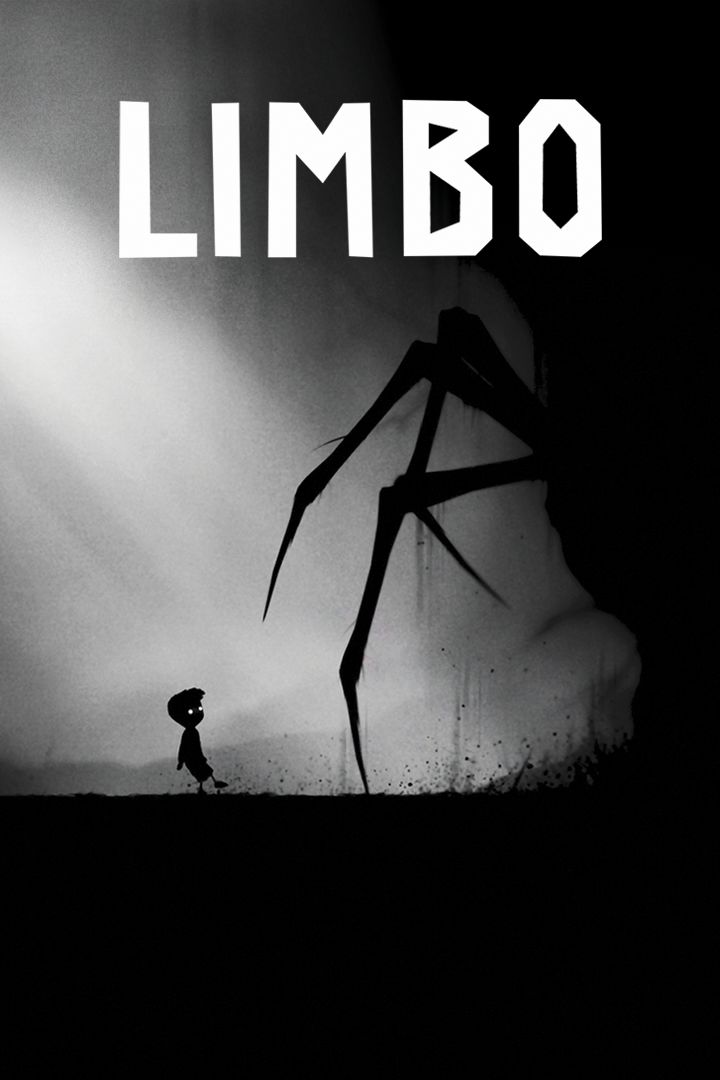
| Developers: | Playdead |
|---|---|
| Publishers: | Playdead |
| Platforms: | Android, iOS, Linux, Mac, PC, PS Vita, PS3, PS4, Switch, XB 360, XB One |
| Release: | |
| Genres: | Platformer |
Media Gallery
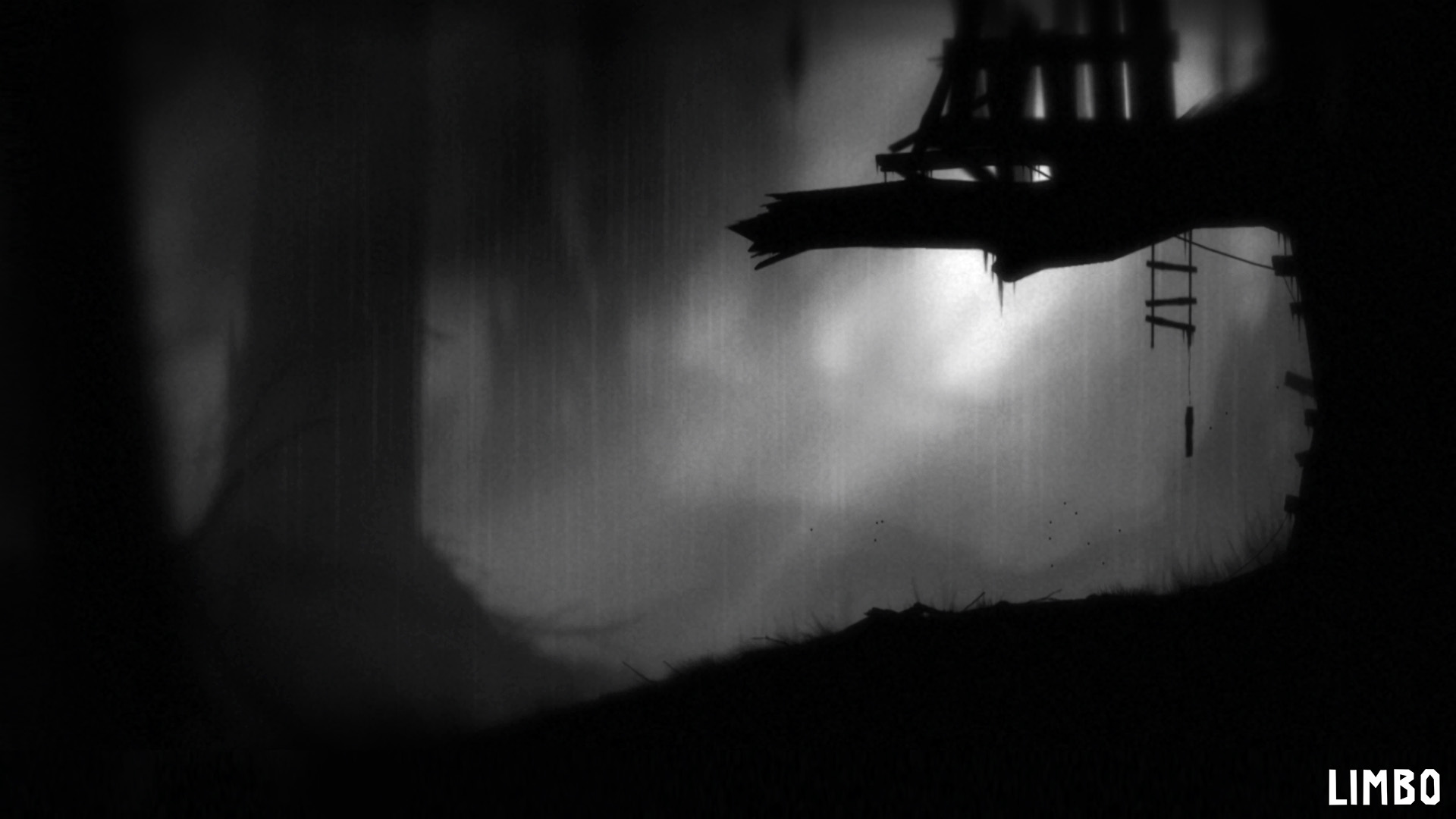
A wooden treehouse with a hanging ladder in a dark, foggy forest
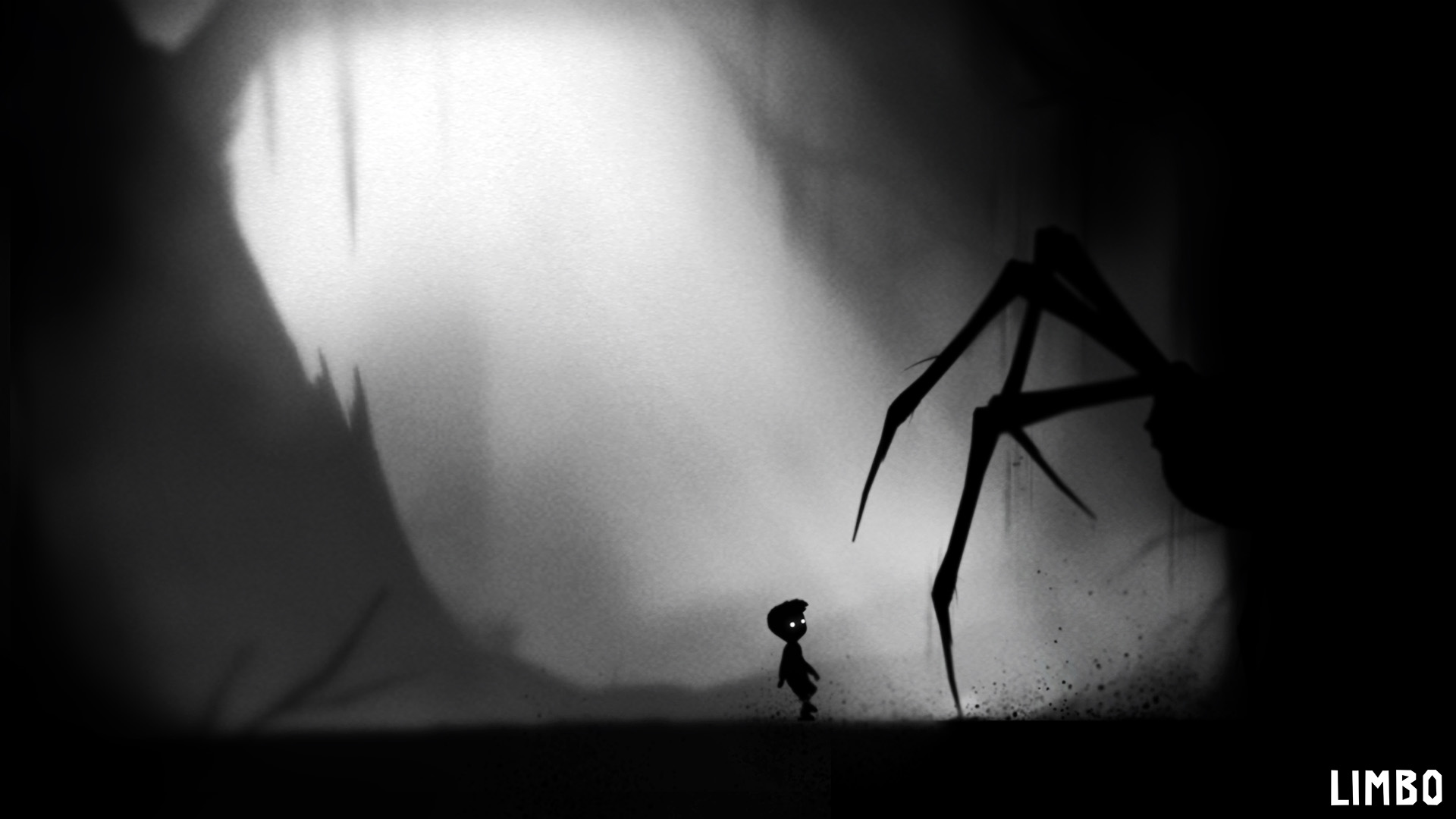
A small figure faces the long legs of a giant spider in a forest
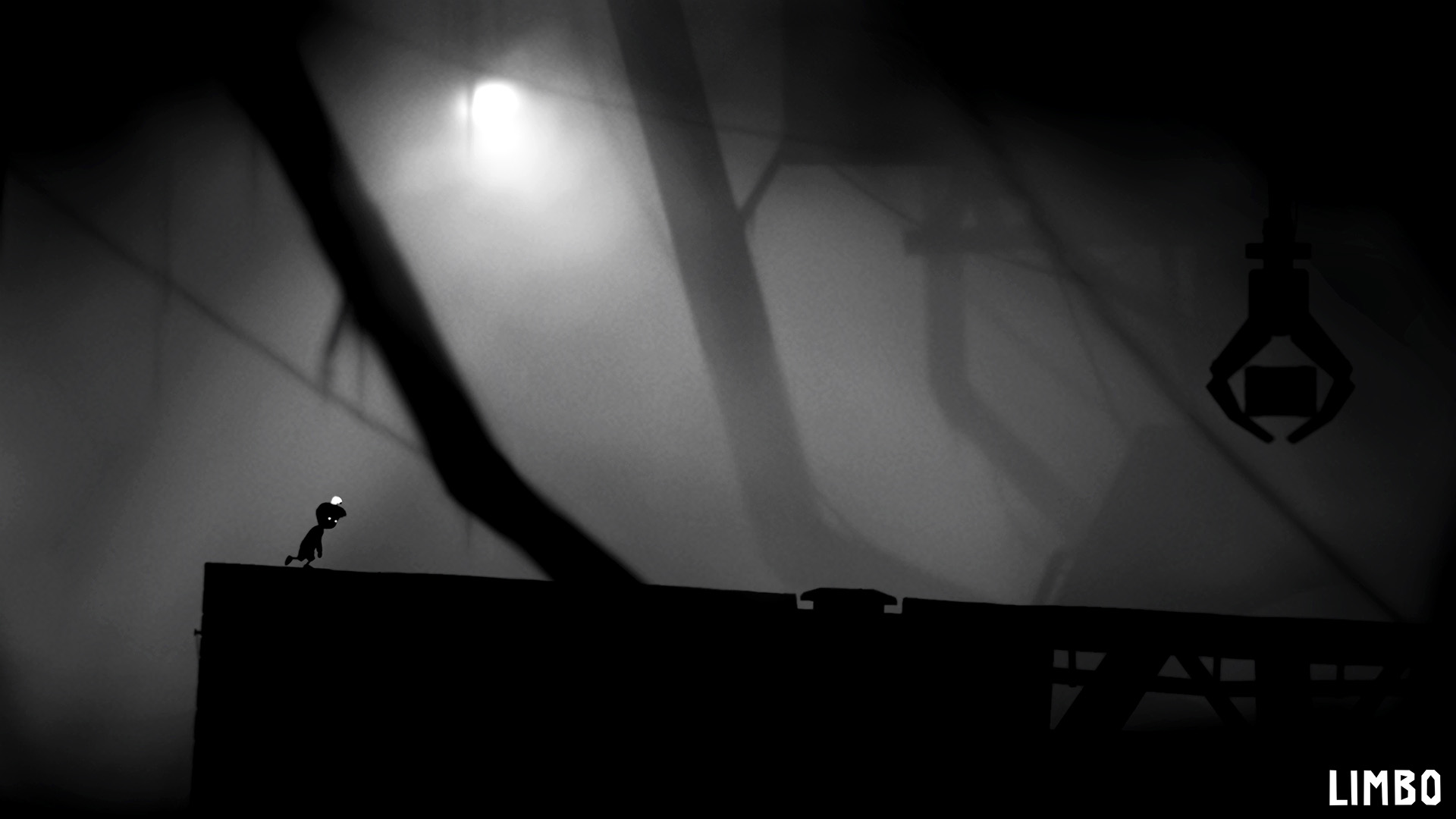
A figure crouches on a dark ledge below a hanging mechanical claw
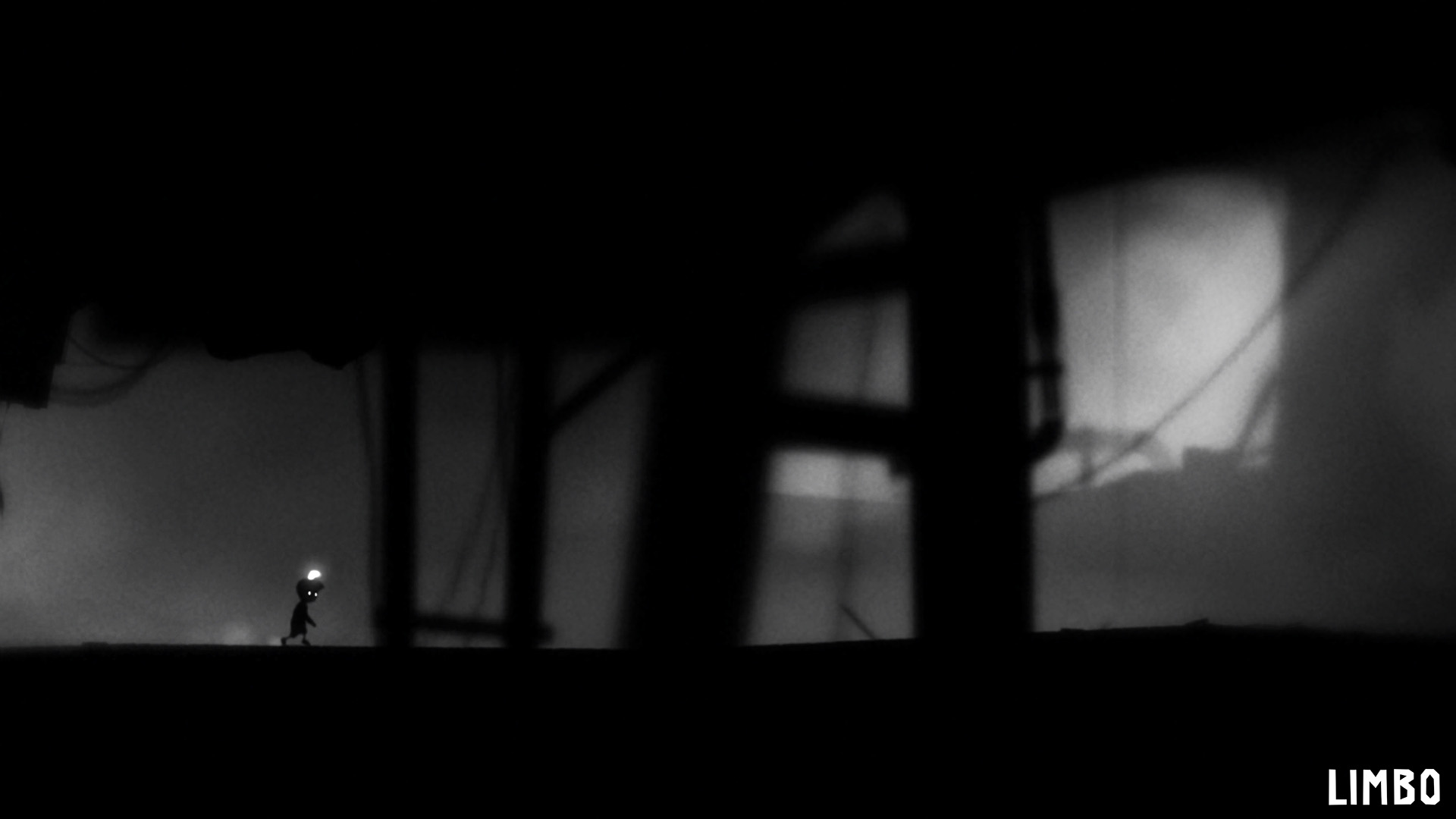
A small silhouetted figure with glowing eyes walks beneath a dark wooden structure
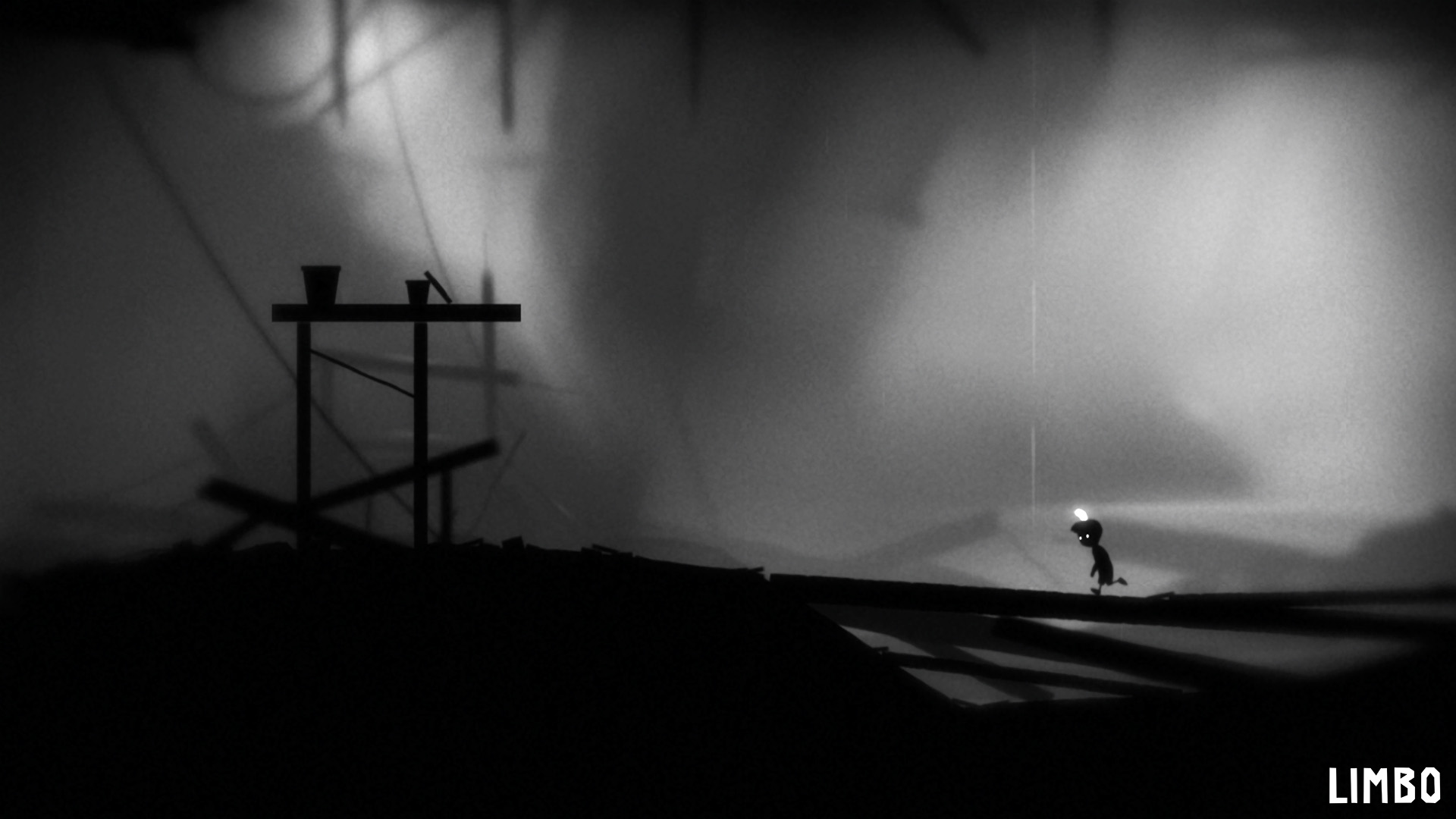
A silhouetted figure stands on broken planks near a wooden scaffold in gray fog
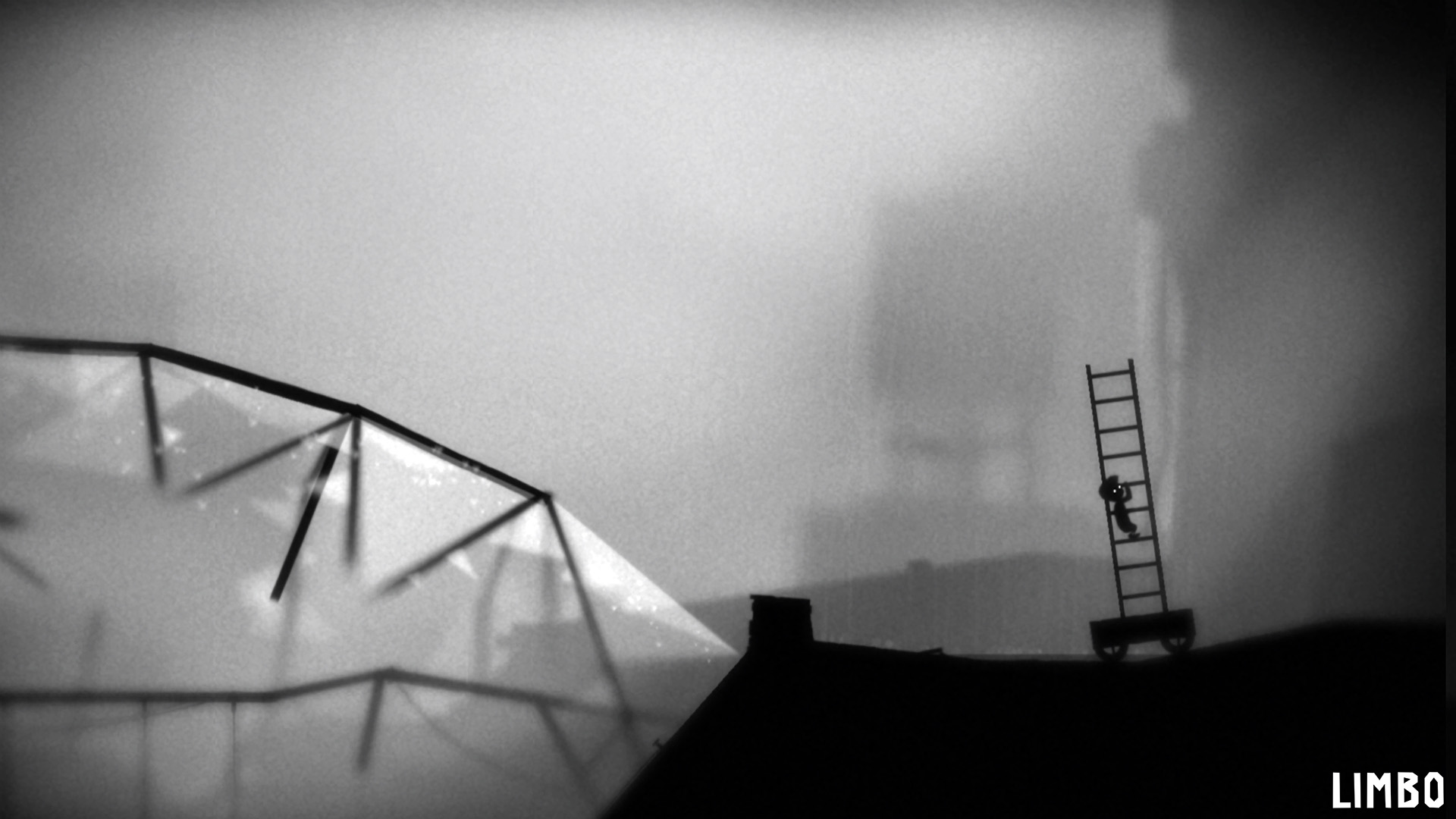
A figure climbs a ladder on a cart beside a collapsed metal frame
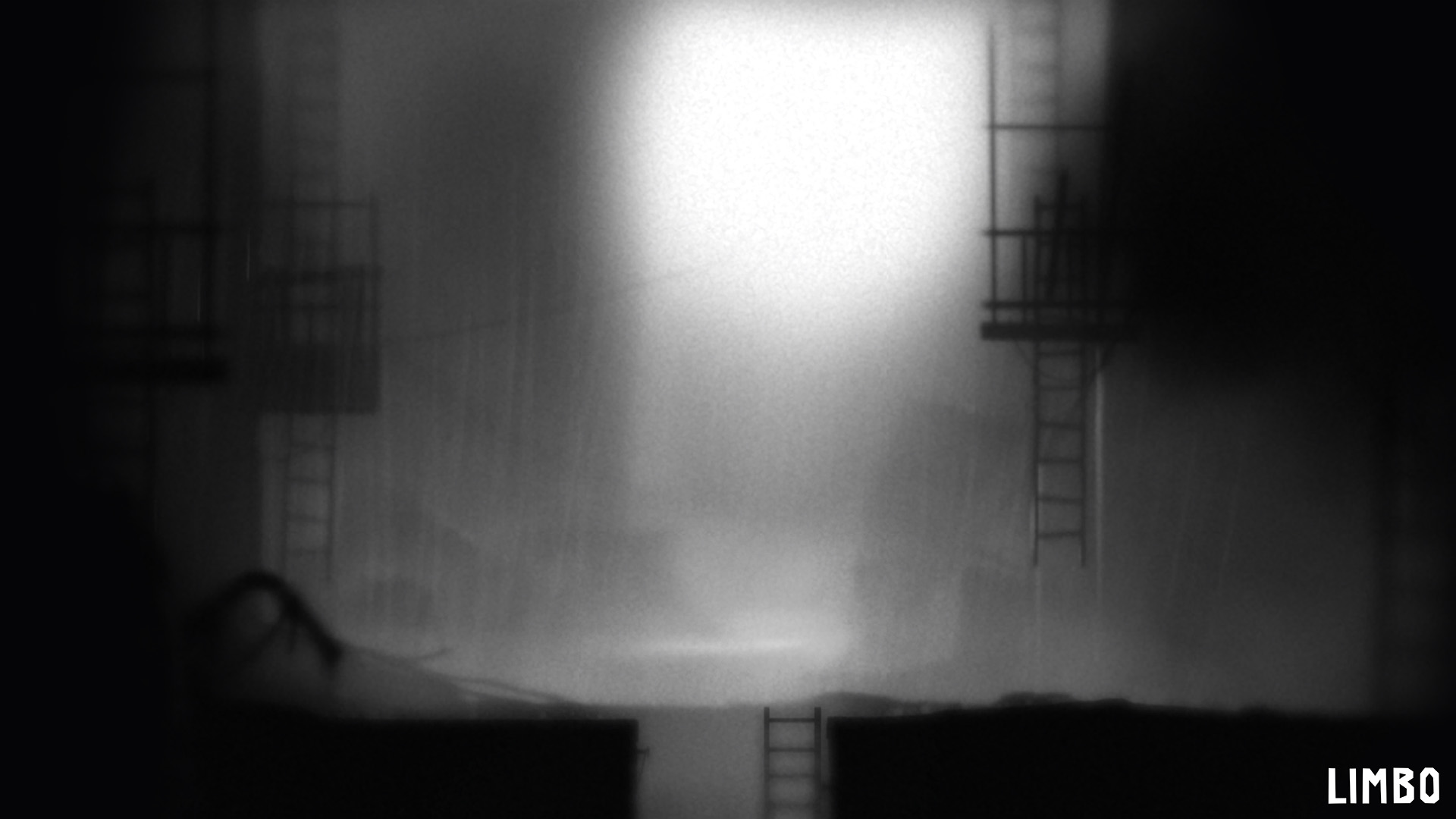
Fire escapes and ladders frame a bright misty opening between dark buildings
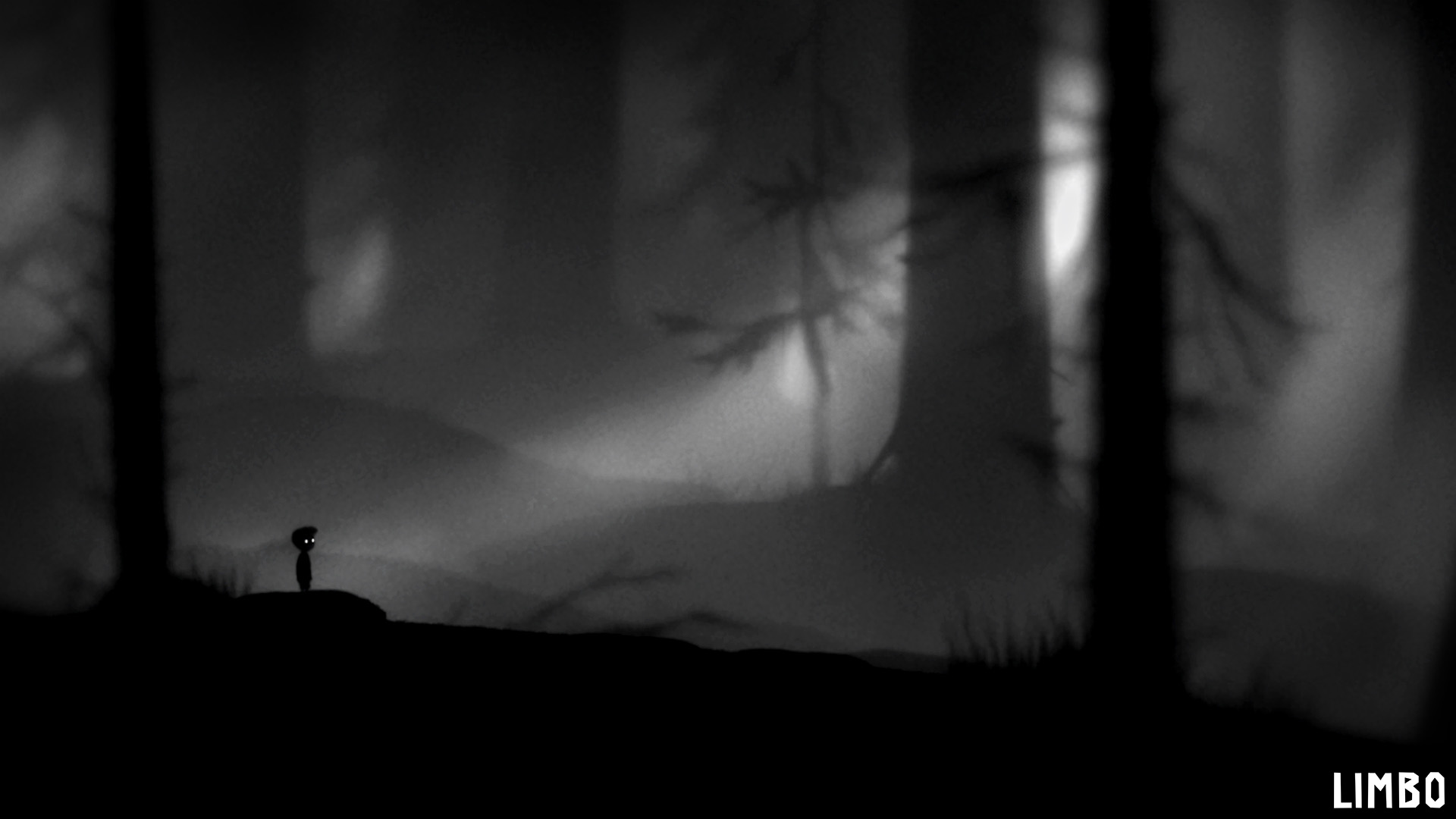
A lone figure stands on a hill among tall trees in a misty forest
What is Limbo?
Limbo is a 2D puzzle-platform game with horror elements, made by the Danish independent studio Playdead. Microsoft Game Studios first published it on Xbox Live Arcade for the Xbox 360 on July 21, 2010. Playdead later brought it to PlayStation 3, Windows, OS X, Linux, PlayStation Vita, iOS, Xbox One, PlayStation 4, Nintendo Switch and Android.
Players take control of a boy with no name who is looking for his sister. He wakes in a forest at the “edge of hell,” a phrase tied to the Latin word limbus, which gives the game its title. Along the way he runs into a huge spider and a group of other boys who set traps for him, and the forest later gives way to a decaying city and then industrial and flooded areas. The story is told without text or dialogue, and its ending was left open on purpose.
The boy can run, jump, climb ledges, ladders and ropes, and push or pull objects, while a physics system governs both him and the world around him. The black-and-white visuals hide hazards such as bear traps, and later stages lean on machinery, electromagnets and gravity. Because many traps only show themselves when sprung, Playdead described its approach as “trial and death,” using grisly deaths to signal a wrong solution. Players restart from the most recent checkpoint as often as needed, and the Xbox 360 version includes an optional gore filter.
Director Arnt Jensen came up with the idea around 2004 while working as a concept artist at IO Interactive, and an art trailer he released in 2006 led him to Dino Patti, with whom he founded Playdead. Over about two and a half years, a core team of around eight people built the game, with Jeppe Carlsen leading puzzle design and Martin Stig Andersen creating its sparse acousmatic sound. The PlayStation 3 and Windows releases in 2011 added secret content, and a Special Edition for Windows and Mac came with art cards, the soundtrack and anaglyph 3D glasses. In 2017, 505 Games released Limbo together with Inside in one retail package.
Critics widely praised Limbo, especially its monochrome presentation, sound and puzzles, though its short length relative to its price and its minimal story divided some reviewers. It was the third-best-selling Xbox Live Arcade game of 2010, and Playdead reported more than 3 million sales across all platforms by June 2013. Its honors include Independent Games Festival awards for technical excellence and visual art, Best Visual Art at the Game Developers Choice Awards, and Best Indie Game at the 2010 Spike Video Game Awards.
There is currently no review for this game.
