Final Fantasy XIII-2
Release details, media and our verdict on Final Fantasy XIII-2.
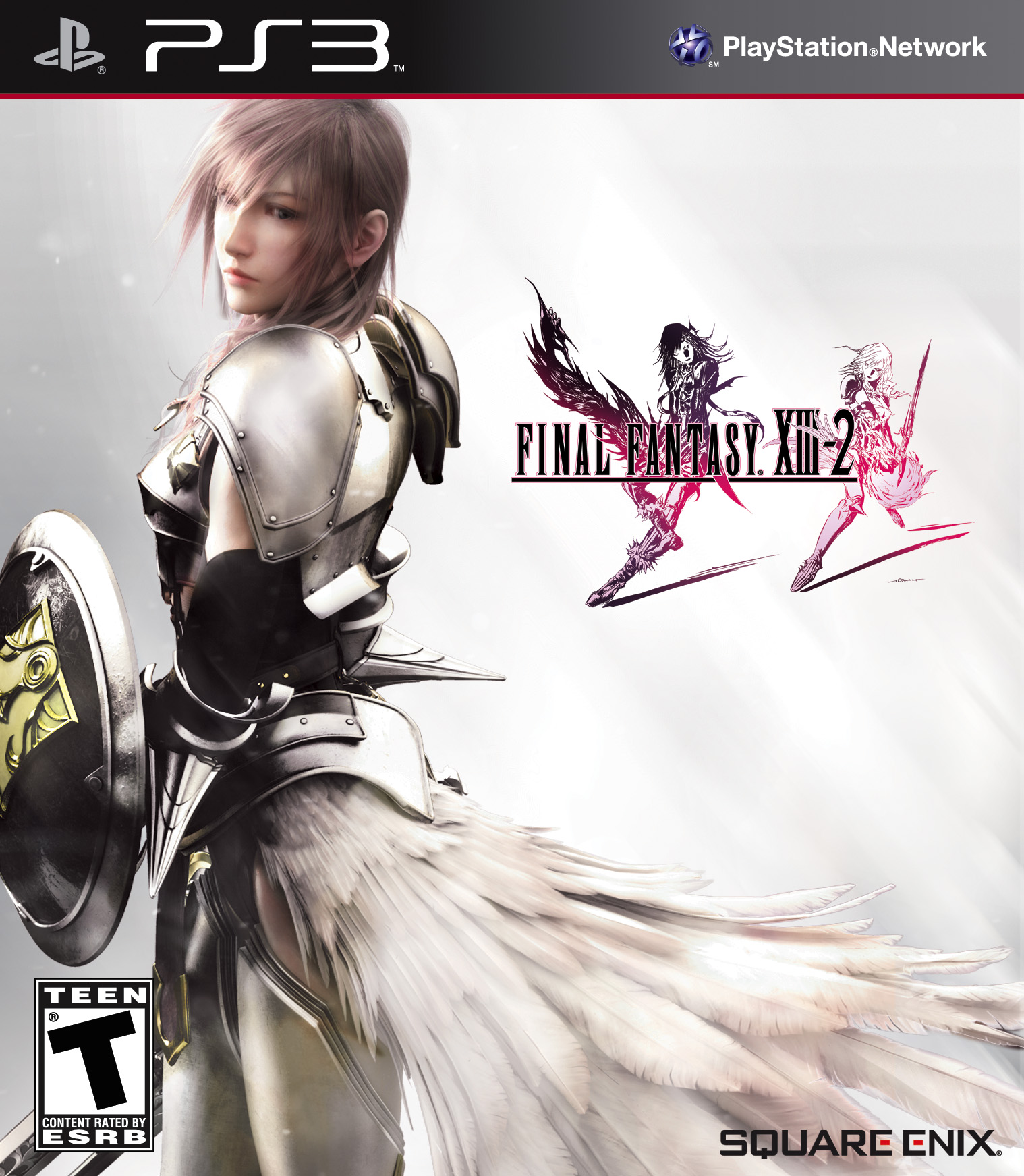
| Developers: | Square Enix, tri-Ace |
|---|---|
| Publishers: | Square Enix |
| Platforms: | PC, PS3, XB 360, XB One |
| Release: | |
| Genres: | RPG |
Media Gallery
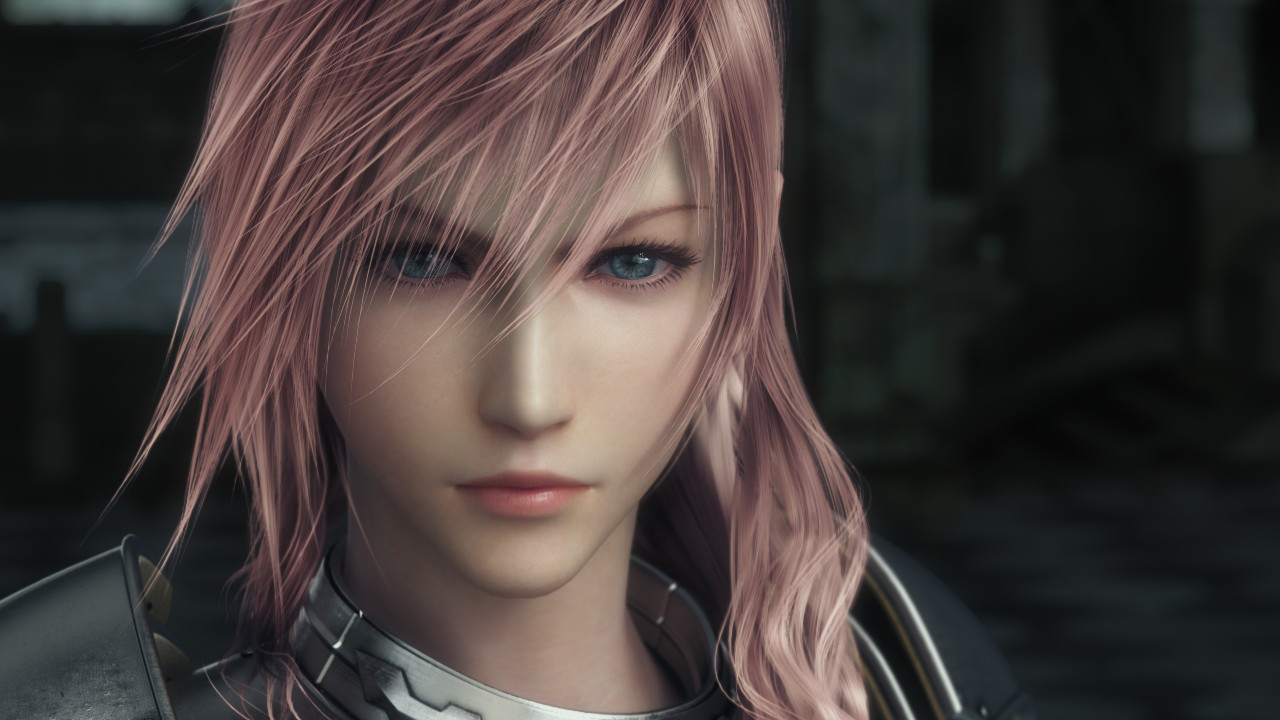
Close-up of a pink-haired woman in armor
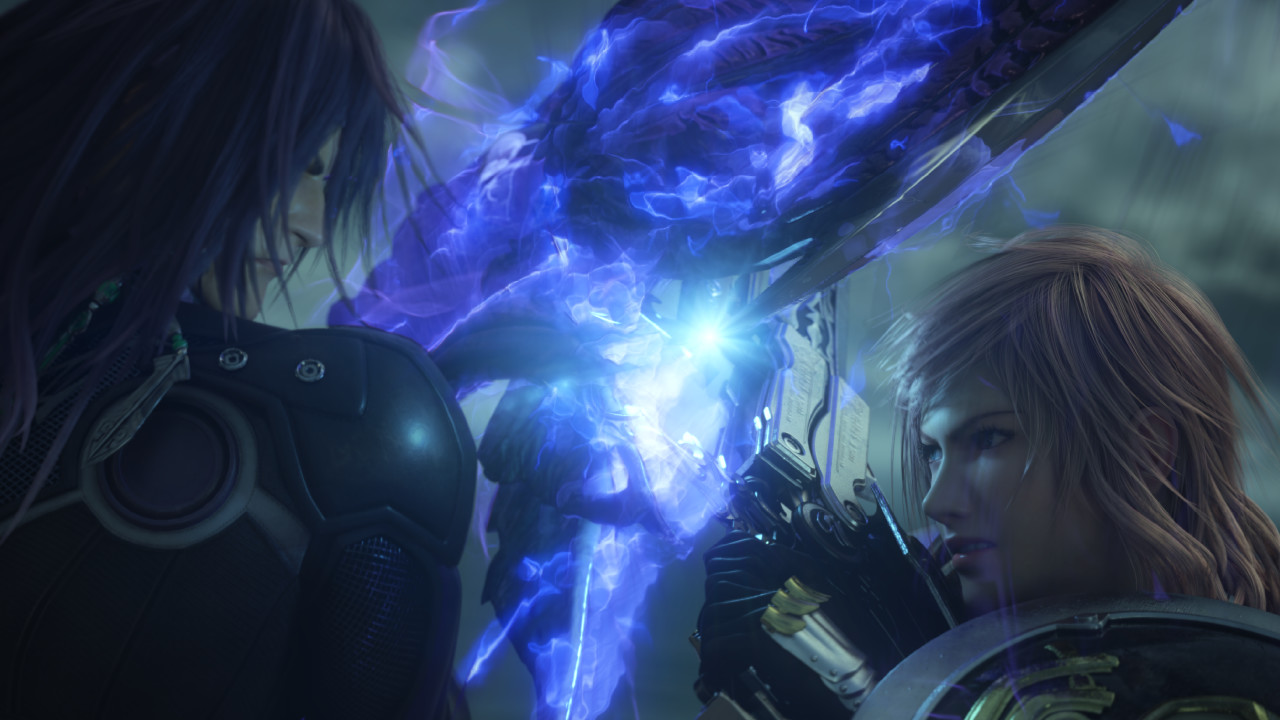
Two fighters clash as a blade crackles with blue energy
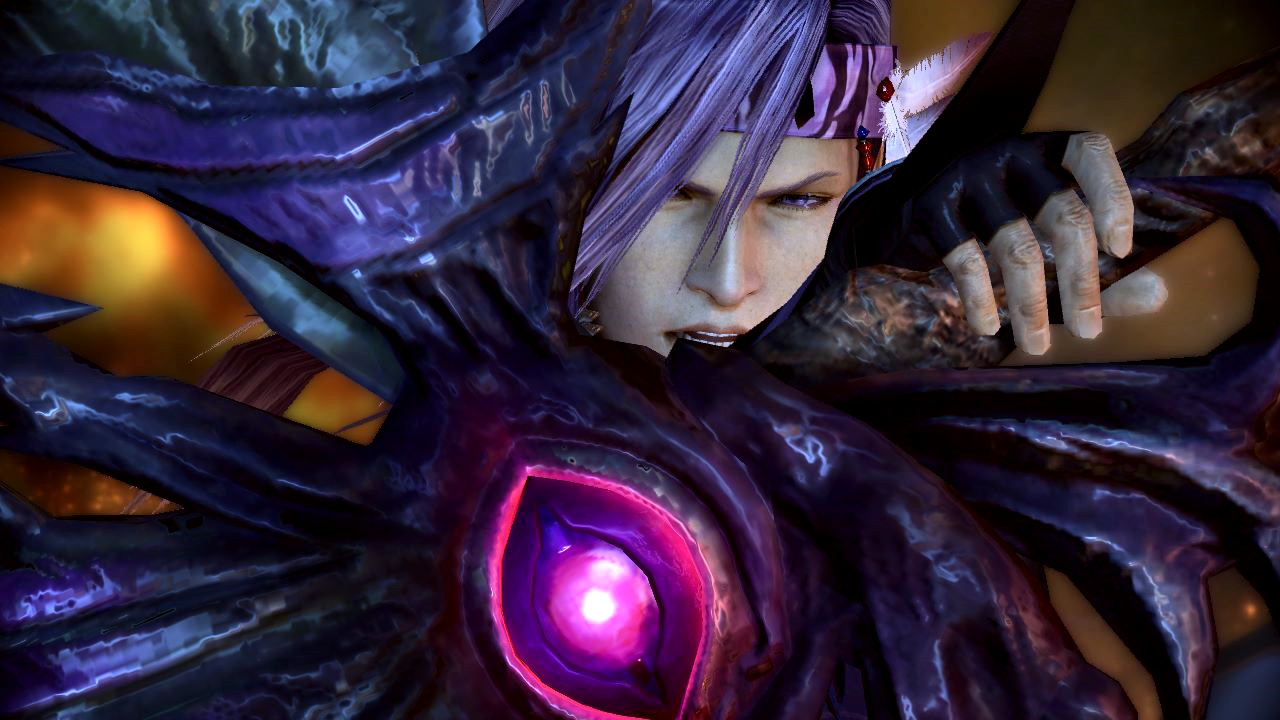
A purple-haired man grips a dark creature with a glowing pink eye
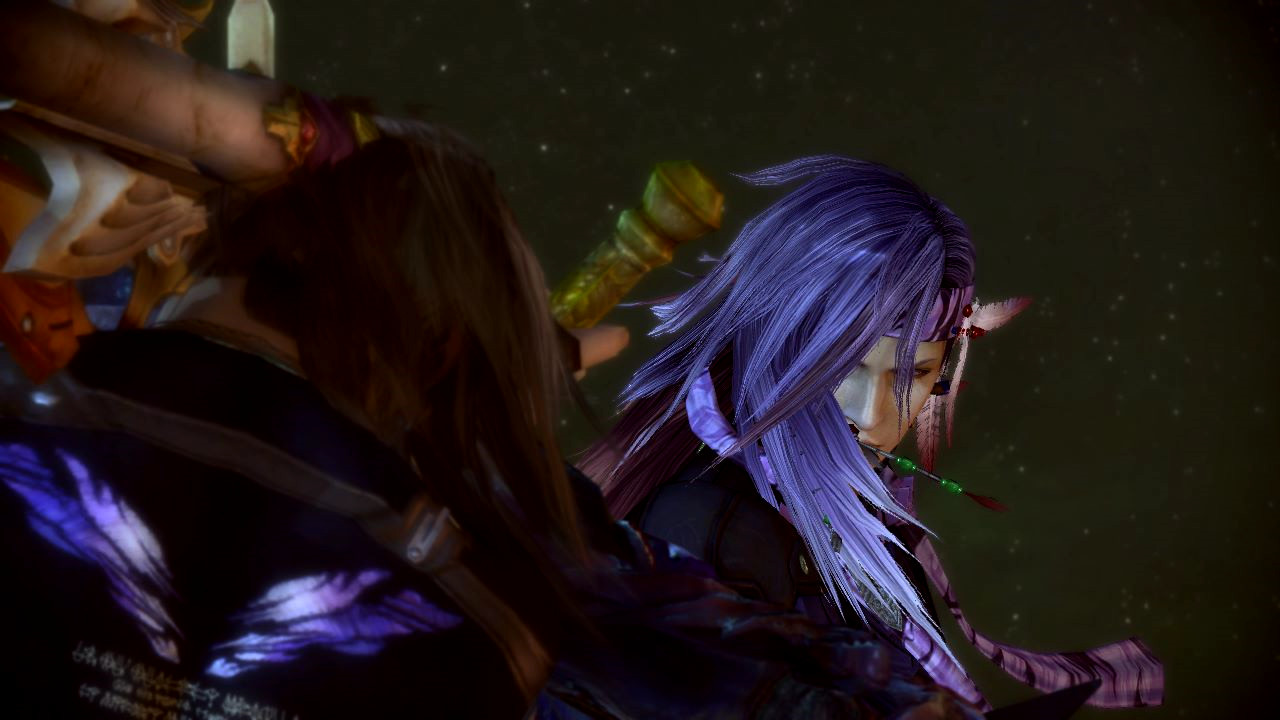
Two figures locked in combat against a starry sky
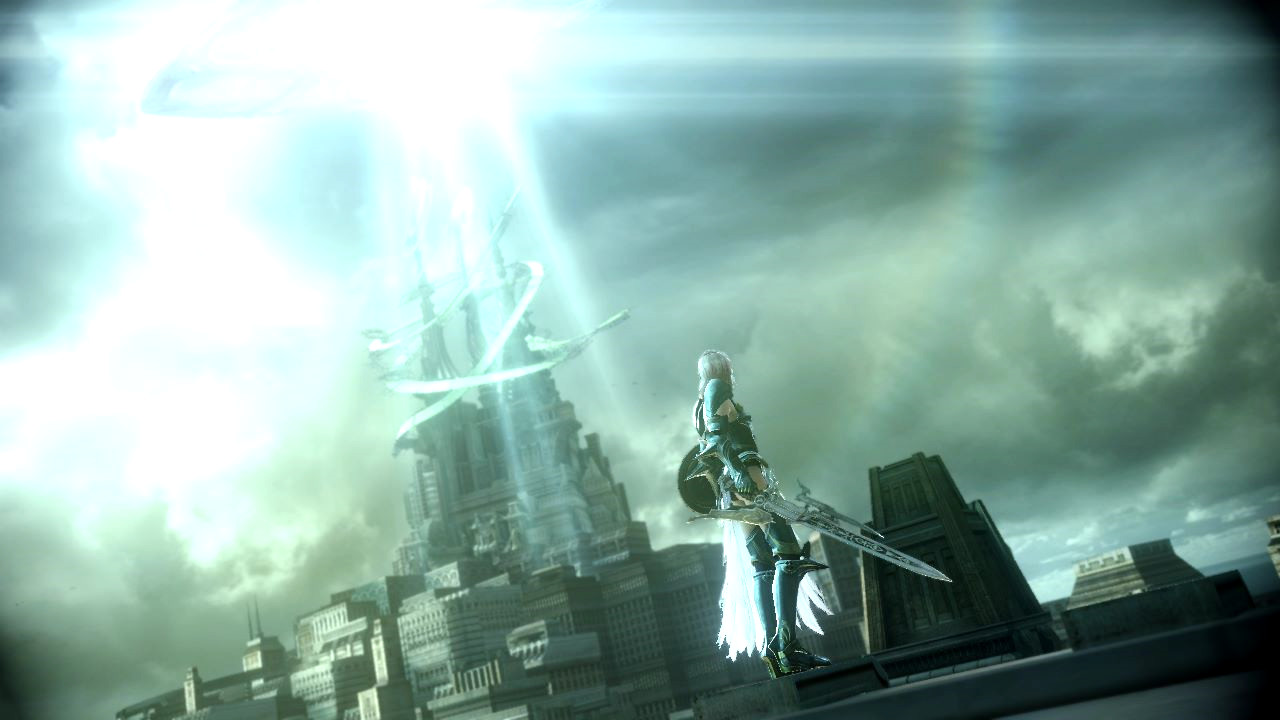
An armored figure with a sword stands on ruins beneath a beam of light
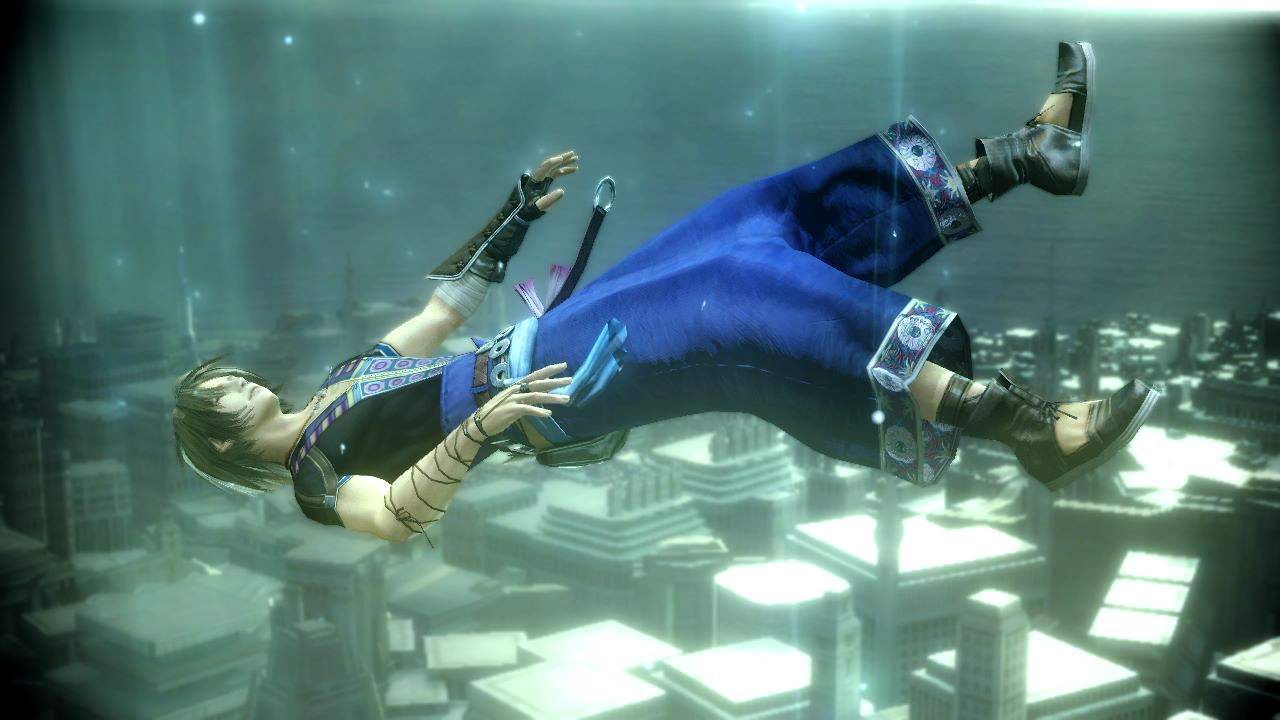
A young man falls through the air above a ruined city
What is Final Fantasy XIII-2?
Final Fantasy XIII-2 is a role-playing game developed and published by Square Enix as a direct sequel to Final Fantasy XIII, and it belongs to the Fabula Nova Crystallis group of titles. It first launched in Japan on December 15, 2011 for PlayStation 3 and Xbox 360, followed by North America on January 31, 2012 and Europe on February 3, 2012. A Windows version arrived on December 11, 2014, and the console release later gained Xbox One backward compatibility.
The story picks up three years after the previous game. Lightning has vanished from the timeline and only her younger sister, Serah Farron, remembers her being on Gran Pulse. Serah teams up with Noel Kreiss, a traveler from 700 AF, to repair paradoxes scattered across history, hoping to find Lightning and change the grim future Noel left behind. Their journey brings them into conflict with Caius Ballad, a guardian of the seeress Yeul, and the narrative builds toward events in Valhalla, the realm of the goddess Etro.
Exploration centers on the Historia Crux, a branching hub that links regions across different years, so the same place can be visited in more than one era. Areas can be unlocked through story progress or optional items, and sealed again to replay them. Combat builds on the Command Synergy Battle system and its Paradigm roles, such as Commando, Ravager and Medic, while the Chain Gauge rewards sustained pressure with a Stagger state. The party is made up of Serah, Noel and one tamed monster, chosen from roughly 150 creatures that can be captured in battle and grown through the Crystarium.
Beyond the main quest, the game includes dialogue choices through the Live Trigger system, temporal rift puzzles, side quests and a casino area. Downloadable content added costumes, weapons, monsters and extra scenarios such as Requiem of the Goddess, which follows Lightning’s fight against Caius. The Windows release bundles a range of this content and offers English or Japanese voices, 60 frames per second and adjustable rendering resolution.
Work on the game began in 2010, with director Motomu Toriyama and producer Yoshinori Kitase returning and tri-Ace assisting with design, art and programming. The team set out to answer criticism of the linear structure of Final Fantasy XIII and aimed for a darker tone, while art director Isamu Kamikokuryo drew on surrealist influences. Japanese magazines Famitsu and Dengeki PlayStation awarded it perfect scores, and Western critics generally praised the combat and freer structure while finding the story confusing. Sales reached 3.1 million copies worldwide by January 2013, and the story continued in Lightning Returns: Final Fantasy XIII.
There is currently no review for this game.
