Final Fantasy VI
Release details, media and our verdict on Final Fantasy VI.
| Developers: | Square, Square Enix |
|---|---|
| Publishers: | Square Enix |
| Platforms: | Android, iOS, PC, PS1, Wii |
| Release: | |
| Genres: | RPG |
Media Gallery
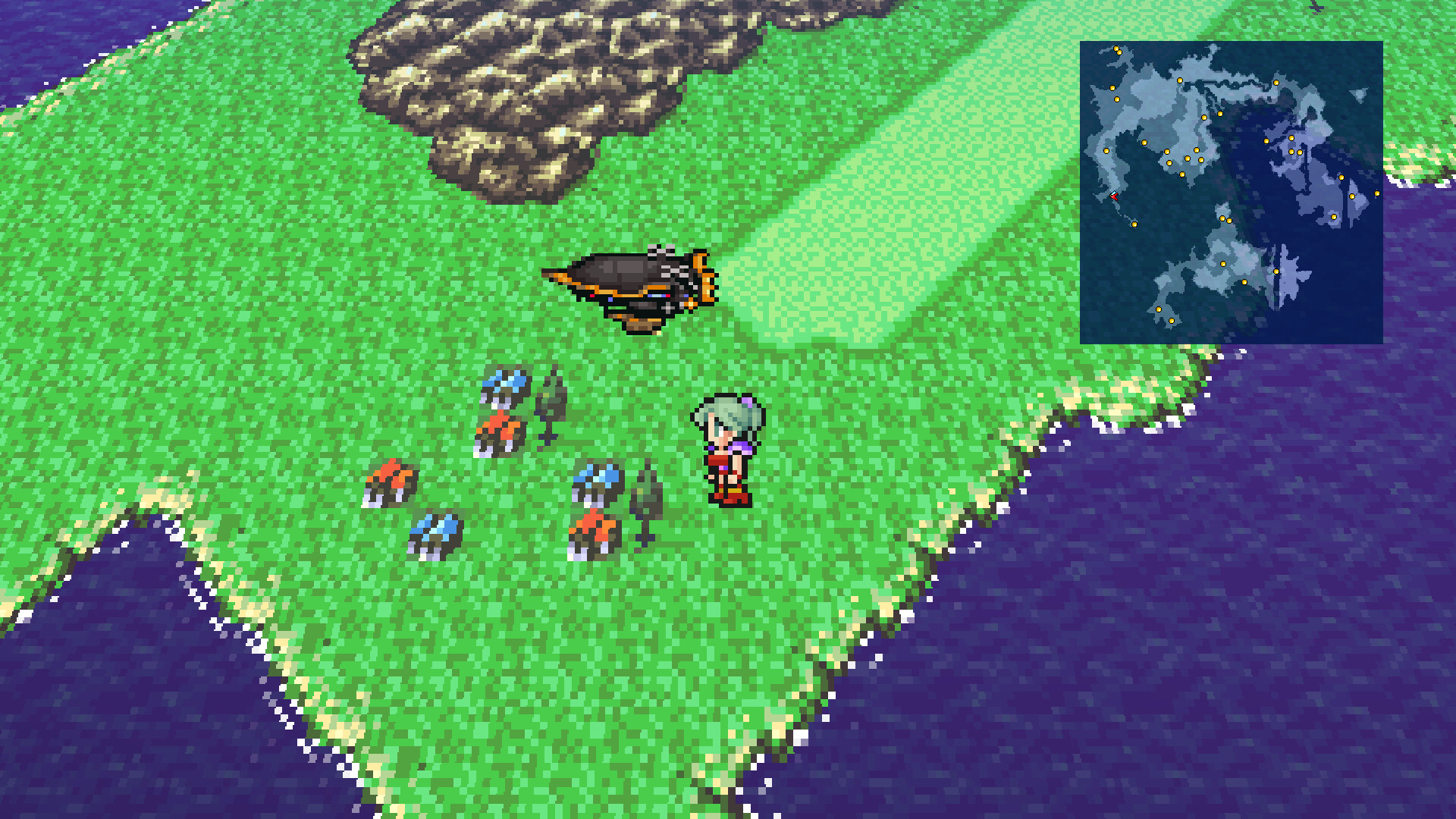
A party member stands beside a parked airship on the green overworld map, with a minimap in the corner
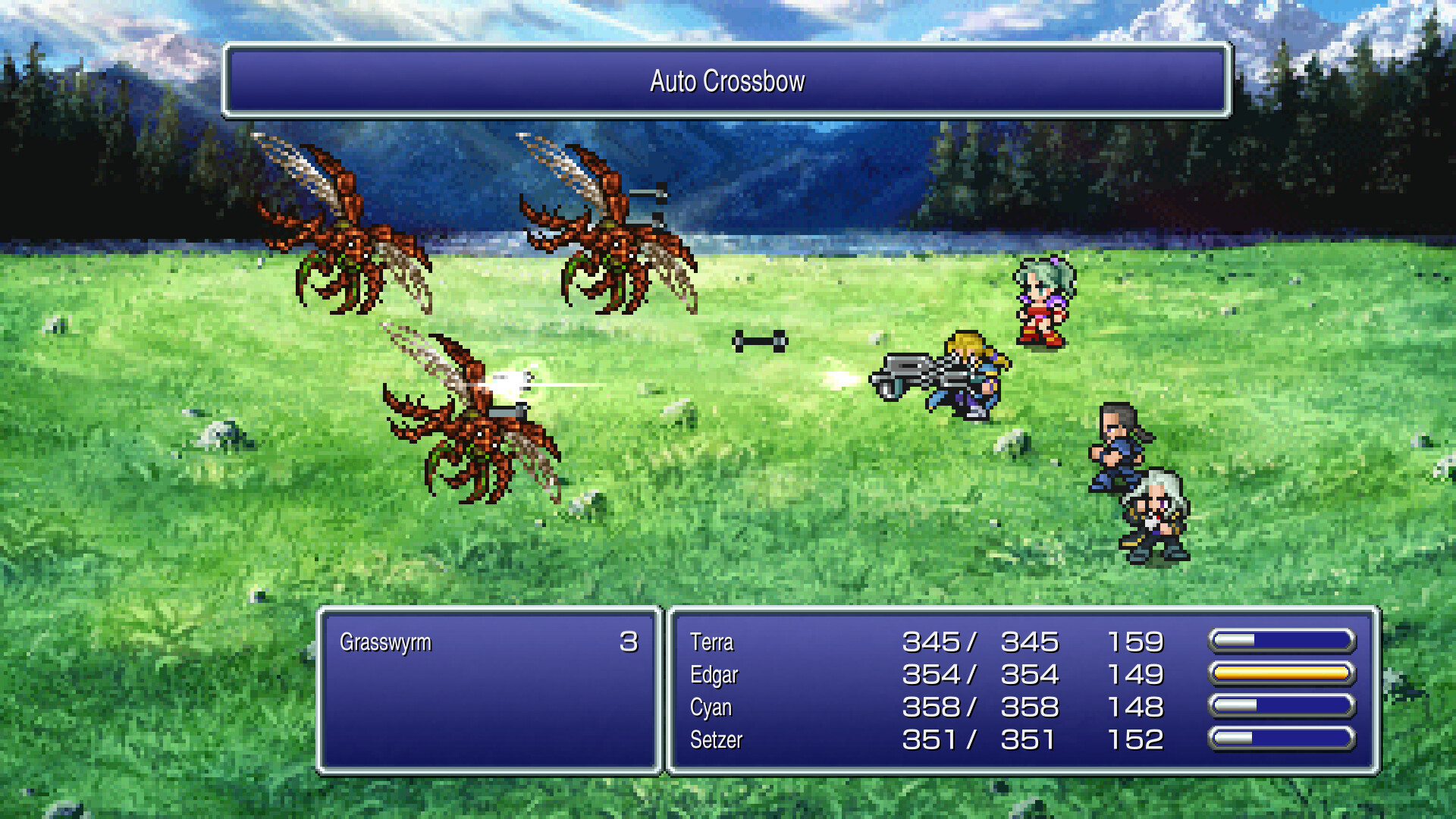
A four-member party fights a group of insect-like monsters on a grassy field
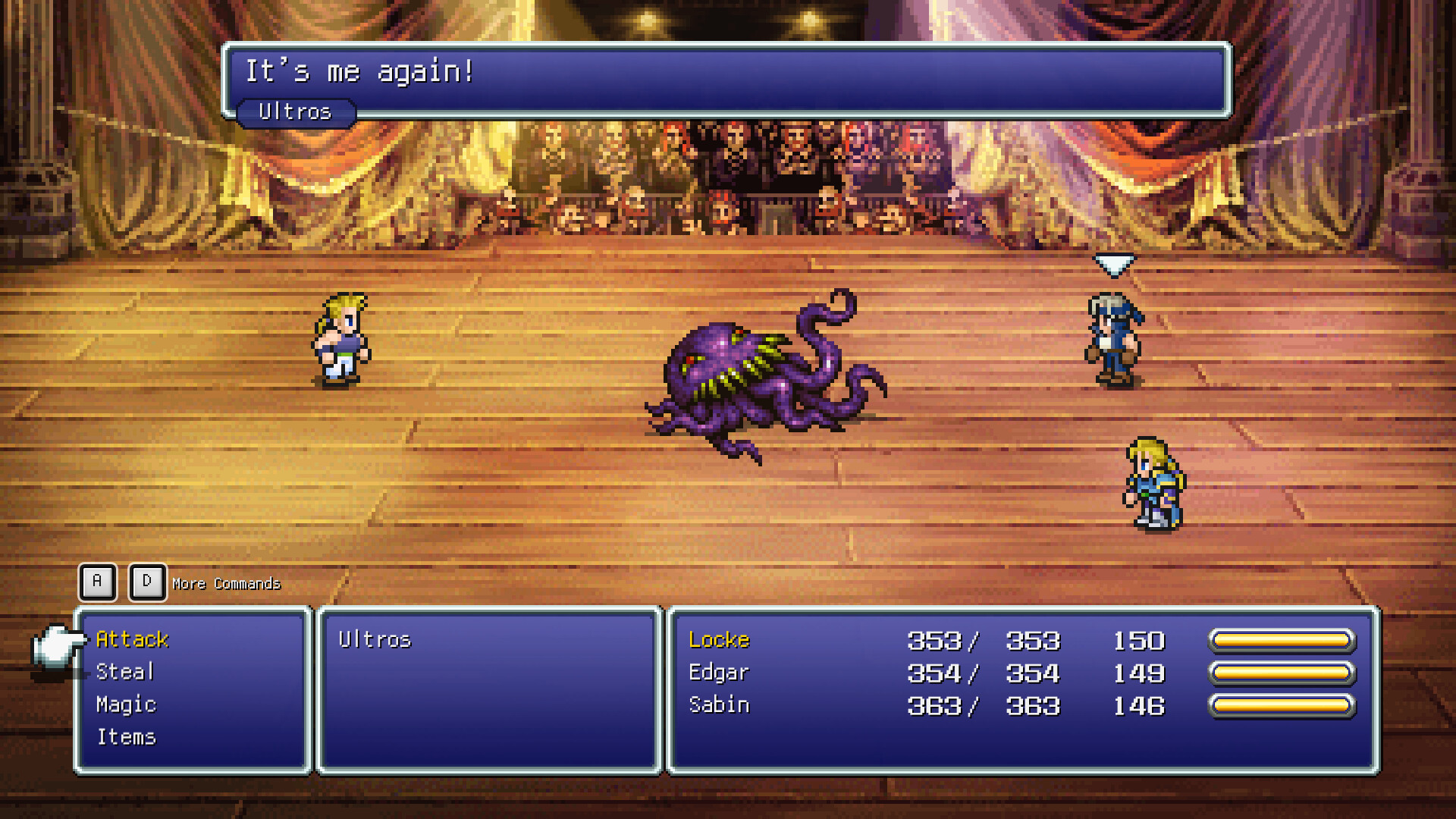
A battle against a purple octopus-like foe on a theater stage
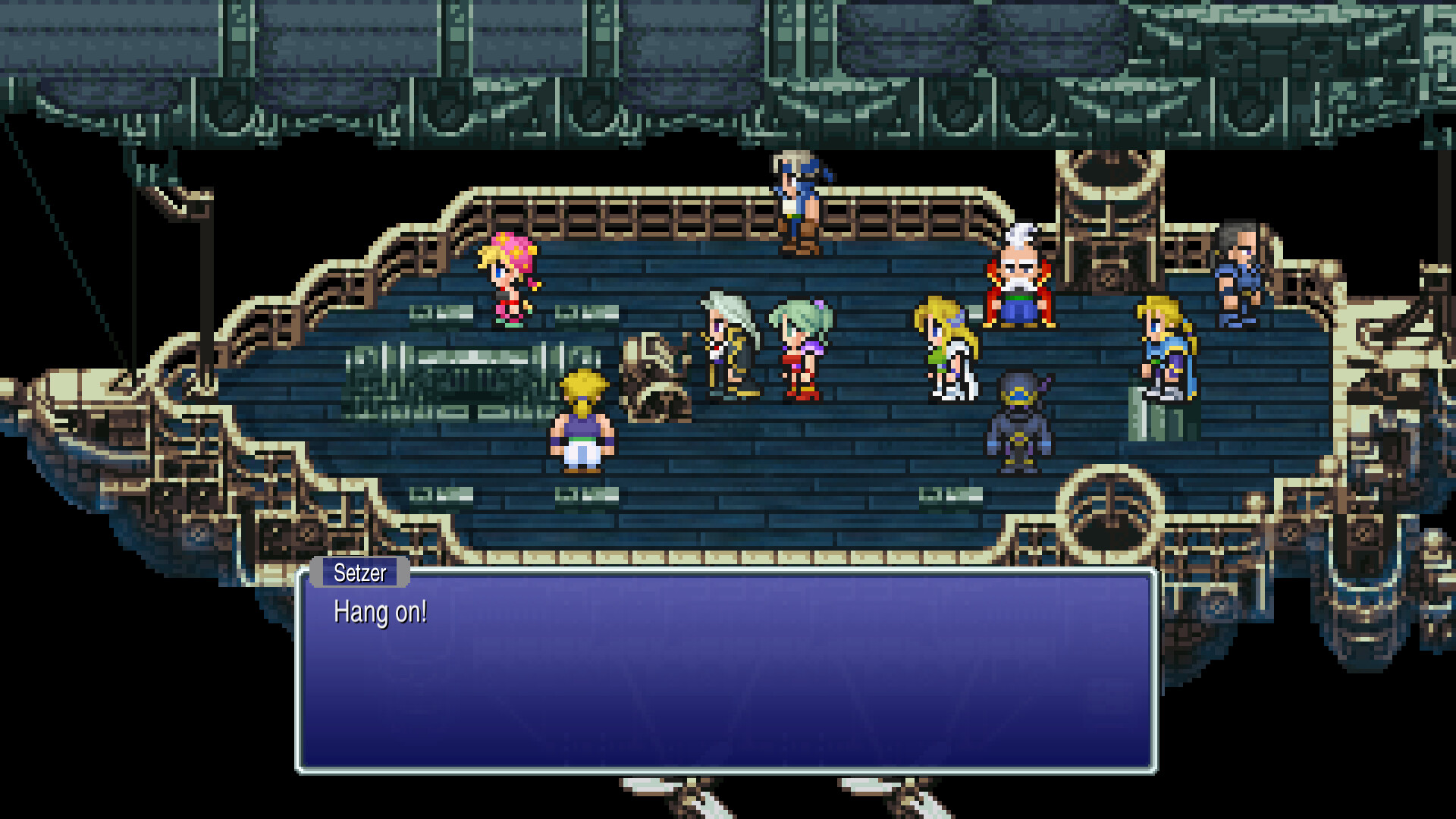
The full party gathers on the deck of an airship during a story scene
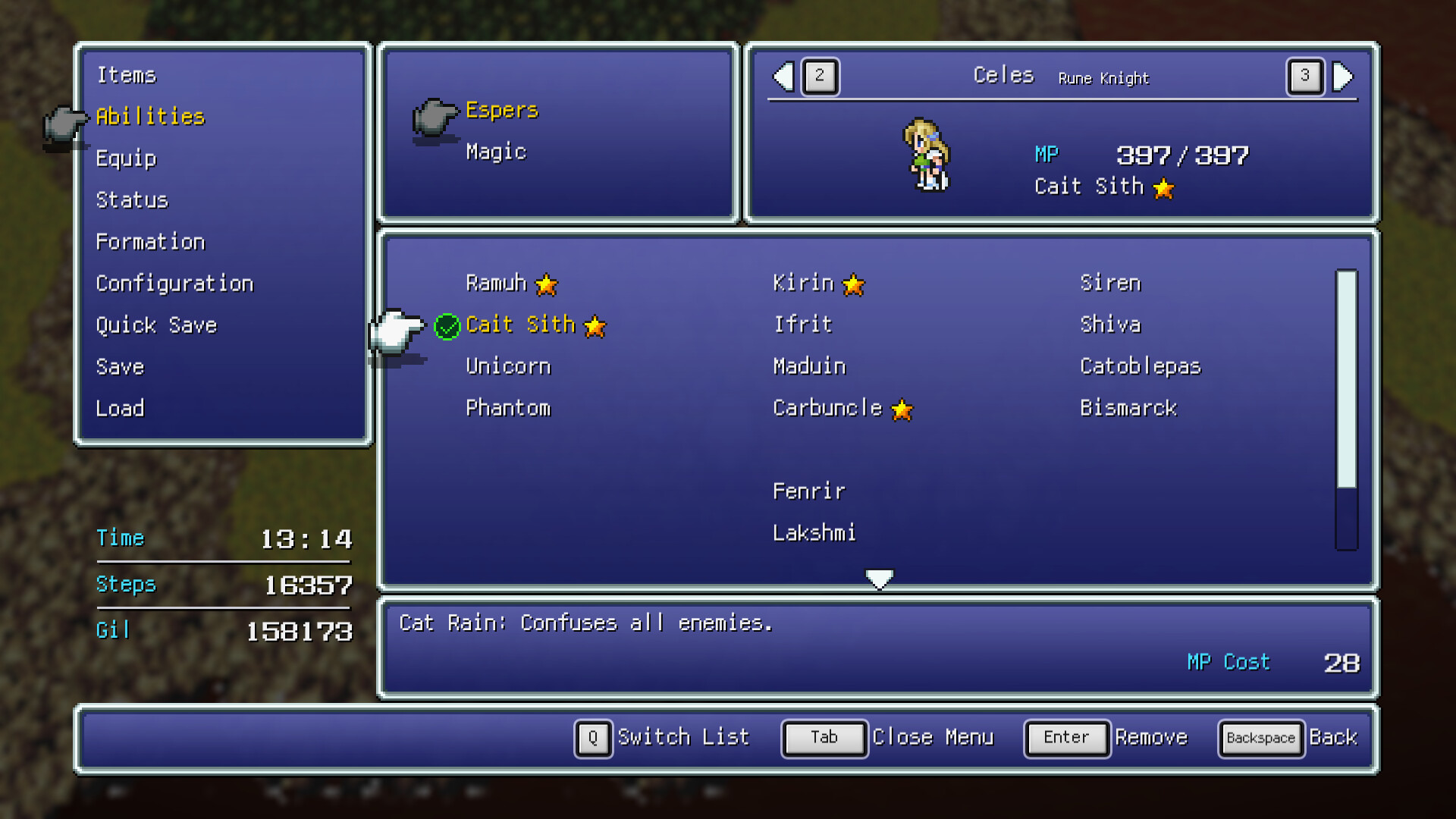
The Espers menu, where magicite is assigned to a party member
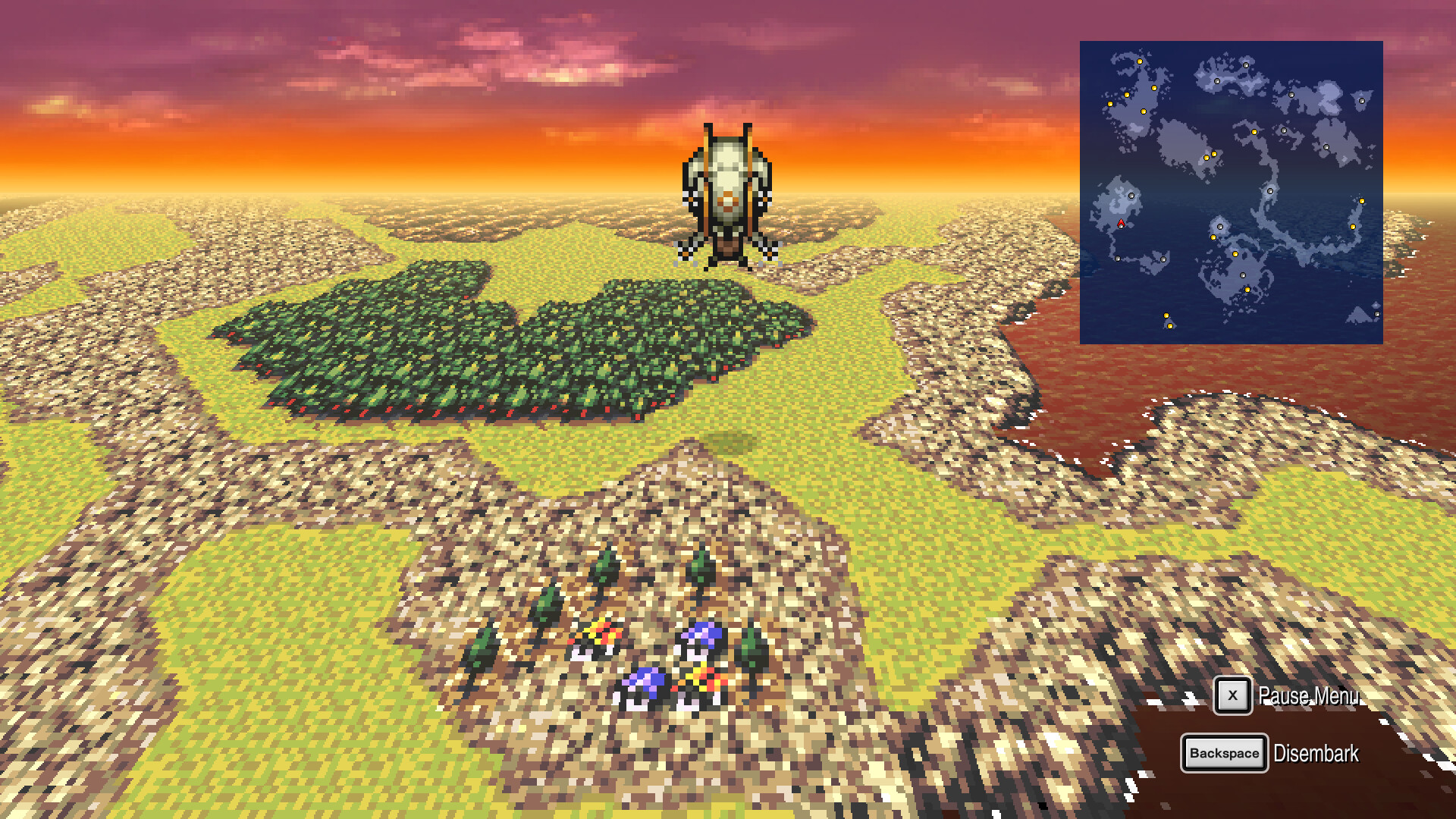
An airship flies over a scorched, barren overworld under an orange sky
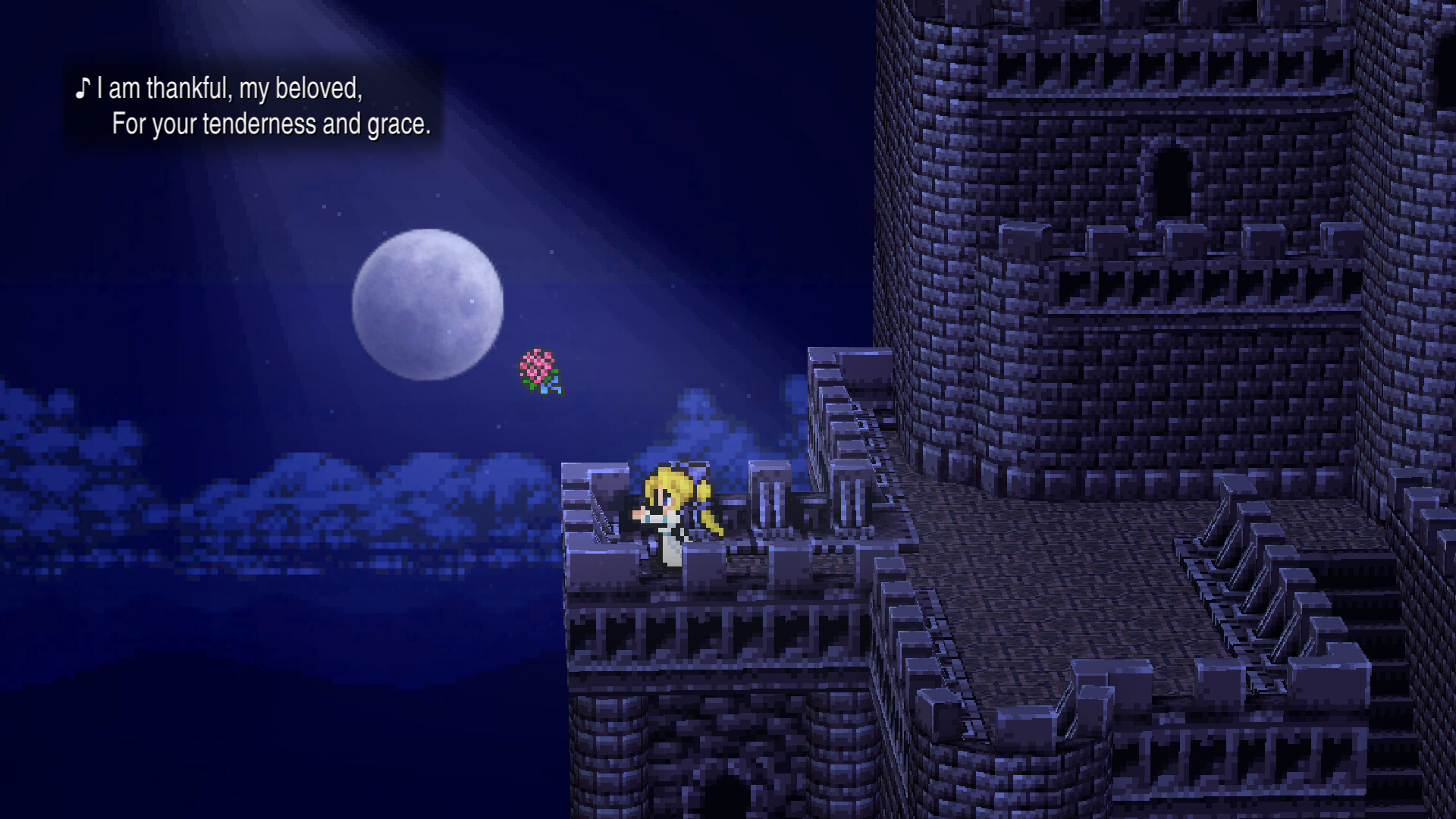
A singer on a moonlit castle balcony during the opera scene, with lyrics on screen
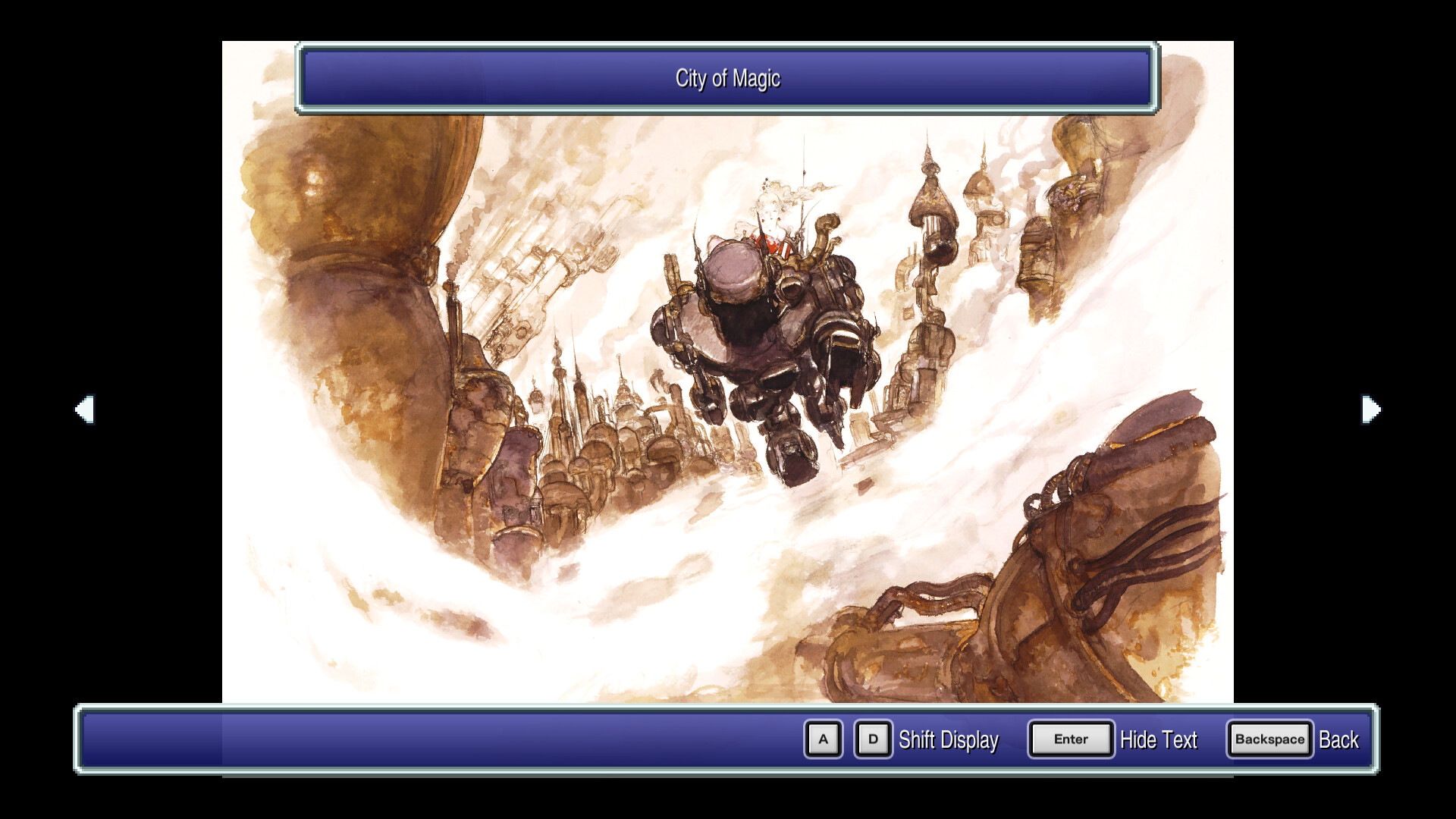
A concept art illustration of an armored machine shown in the bonus gallery
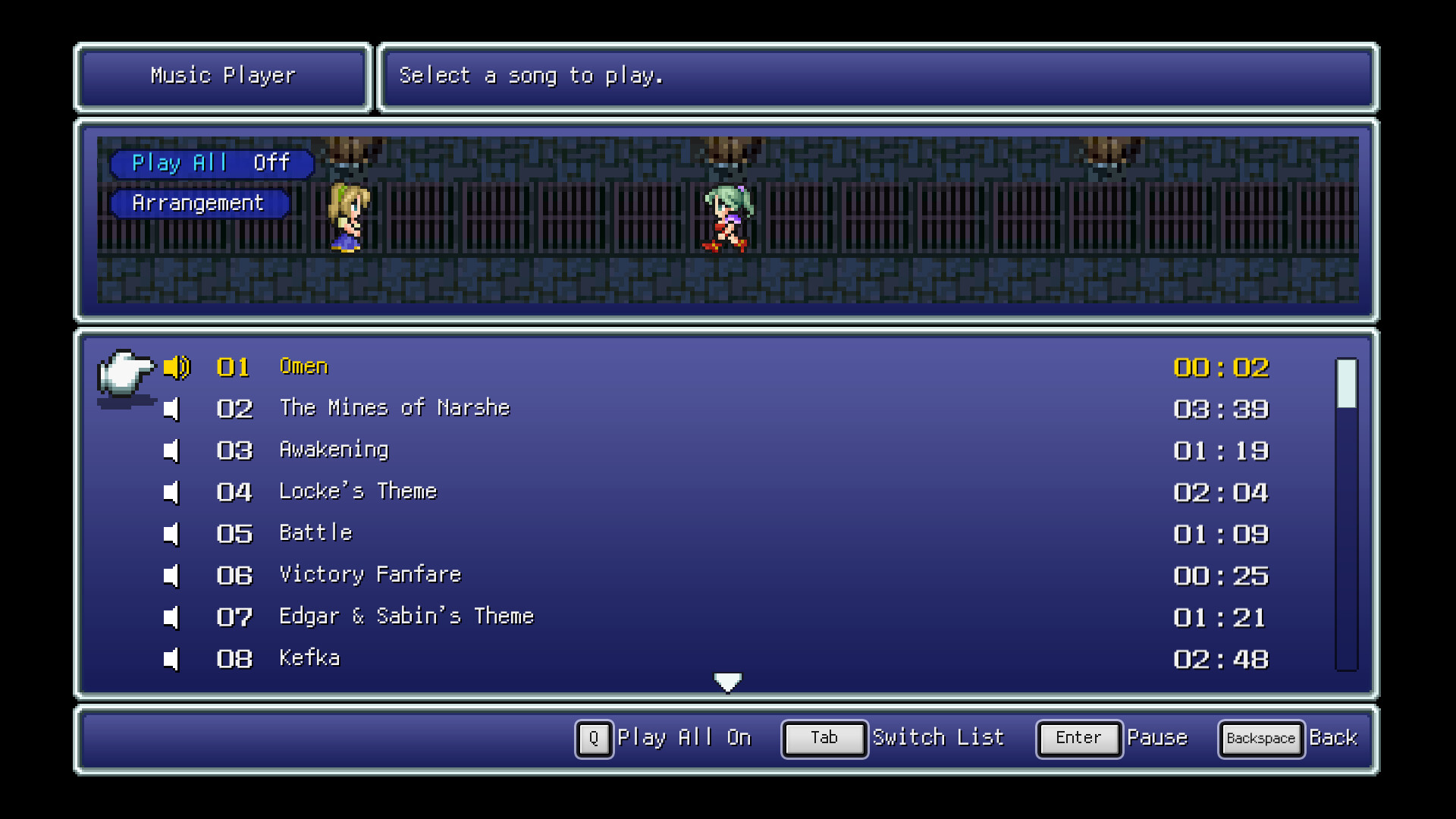
The music player extra, listing tracks from the soundtrack
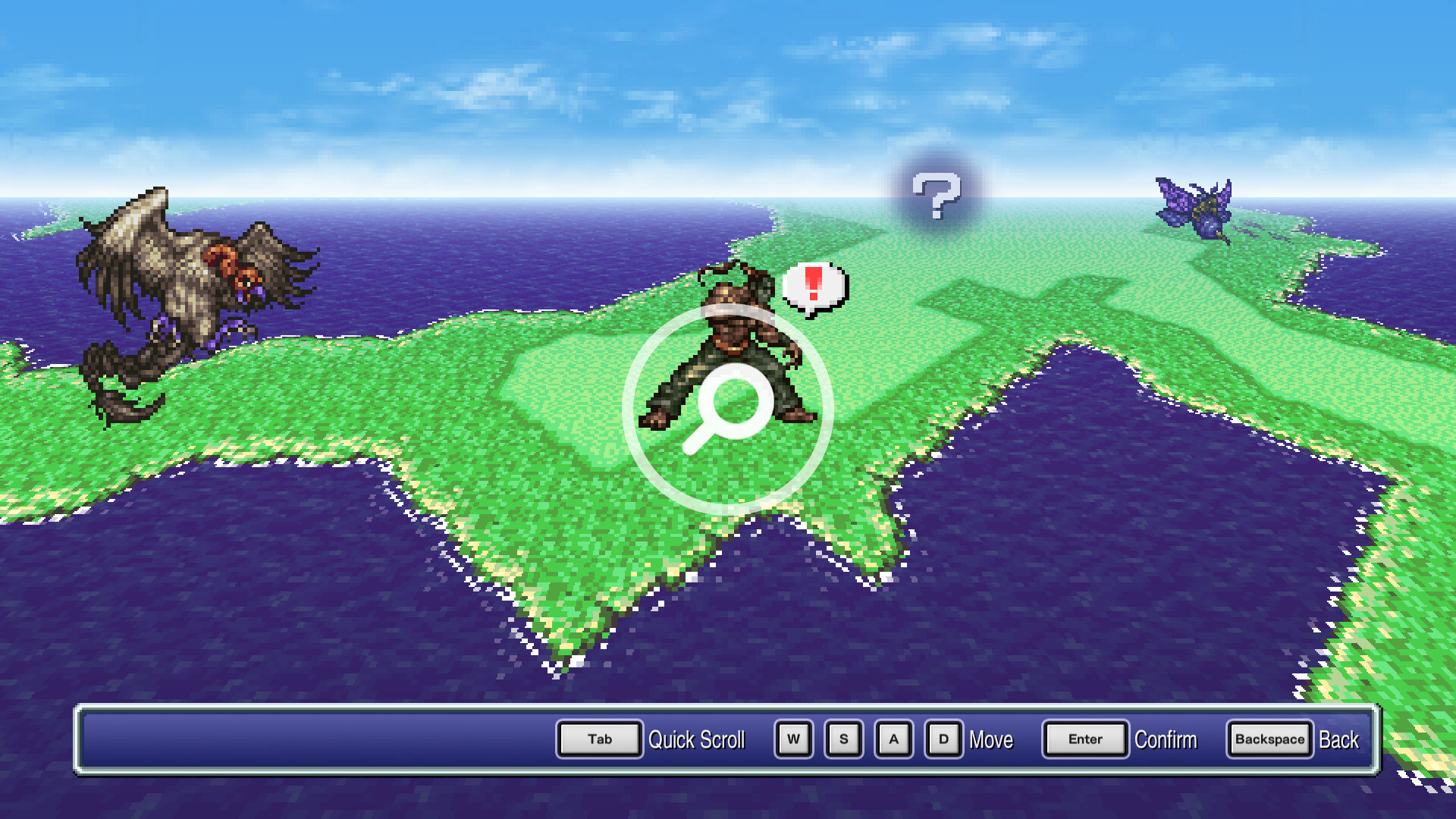
A creature flies over the overworld map as touch-friendly search controls appear
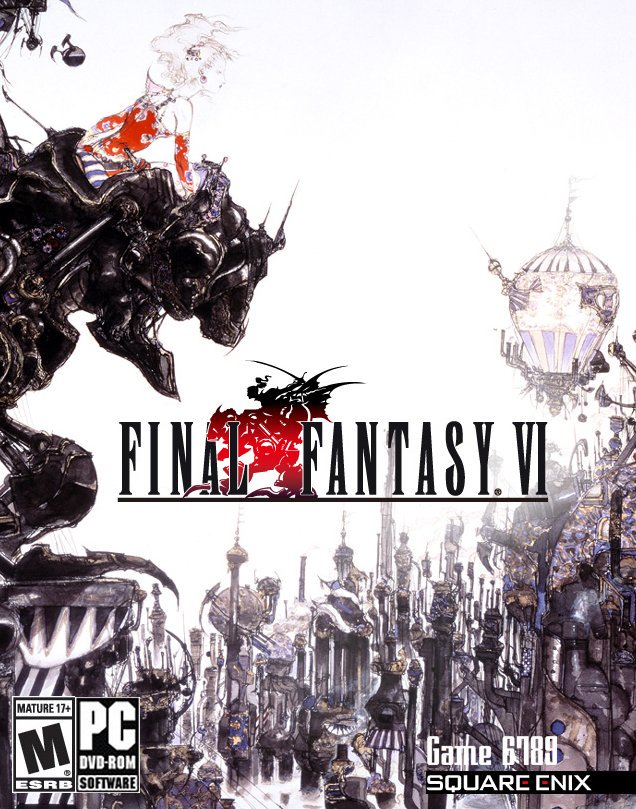
What is Final Fantasy VI?
Final Fantasy VI is a role-playing game made by Square and first released in Japan for the Super Famicom on April 2, 1994. North American players originally knew it as Final Fantasy III, because several earlier entries had never been localized there. Over the years it has come to the PlayStation, Game Boy Advance, Android, iOS and Windows, and the Pixel Remaster edition from Square Enix later reached Steam, Nintendo Switch, PlayStation 4 and Xbox Series X/S. It is the sixth main game in the series and the last to use 2D sprites.
The story takes place a thousand years after the War of the Magi, a conflict that drove magic out of the world. Society has since turned to steam and machinery, and the Gestahl Empire now captures Espers to fuel Magitek weapons. Terra, a young woman who can use magic without help, breaks free of Imperial control and joins the Returners, a rebel group fighting the Empire. The clownish Kefka becomes the central villain, and partway through the adventure a catastrophe turns the World of Balance into the ruined World of Ruin.
Battles use the Active Time Battle system, where up to four characters act once their gauges fill. Each of the fourteen permanent party members has a signature skill, such as Locke stealing items or Celes absorbing spells with Runic. Equipping magicite, the remains of fallen Espers, lets characters learn spells over time and call those Espers into combat, while Relic accessories change how commands and stats behave. Travel covers an overworld, towns and dungeons, sometimes with the cast split into separate parties.
The Pixel Remaster redraws the sprites with original artist Kazuko Shibuya, adds a soundtrack rearranged under composer Nobuo Uematsu, and stages the opera scene with newly recorded vocals. It also brings a modern interface, auto-battle, a pixel font option, toggles for random encounters, adjustable experience and AP rates, and extras such as a bestiary, an illustration gallery and a music player. Earlier versions added their own content, including new Espers and dungeons in the Game Boy Advance release.
Yoshinori Kitase and Hiroyuki Ito directed the project, with Hironobu Sakaguchi producing and a team of around 30 people finishing it in about a year. The writers built the plot so that every member of the cast could be seen as the lead, and the second half lets players reunite the party in the order they choose. The game sold millions of copies, drew praise for its music, story and characters, and is often ranked among the best entries in the series and among the finest role-playing games ever made.
There is currently no review for this game.
