Deus Ex: Human Revolution
Release details, media and our verdict on Deus Ex: Human Revolution.


| Developers: | Eidos Montréal |
|---|---|
| Publishers: | Square Enix |
| Platforms: | Mac, PC, PS3, PS4, XB 360, XB One |
| Release: | |
| Genres: | Action RPG, FPS, Stealth |
Media Gallery
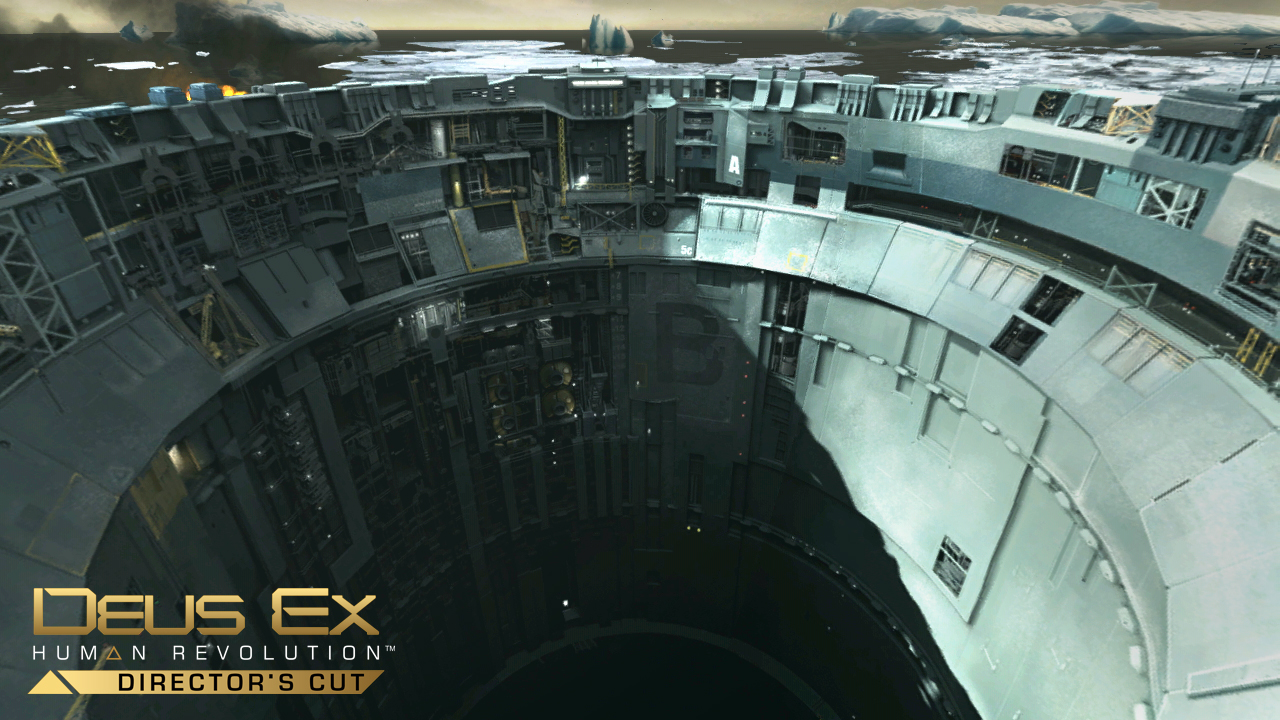
A vast circular shaft drops into darkness inside a massive steel structure surrounded by ice
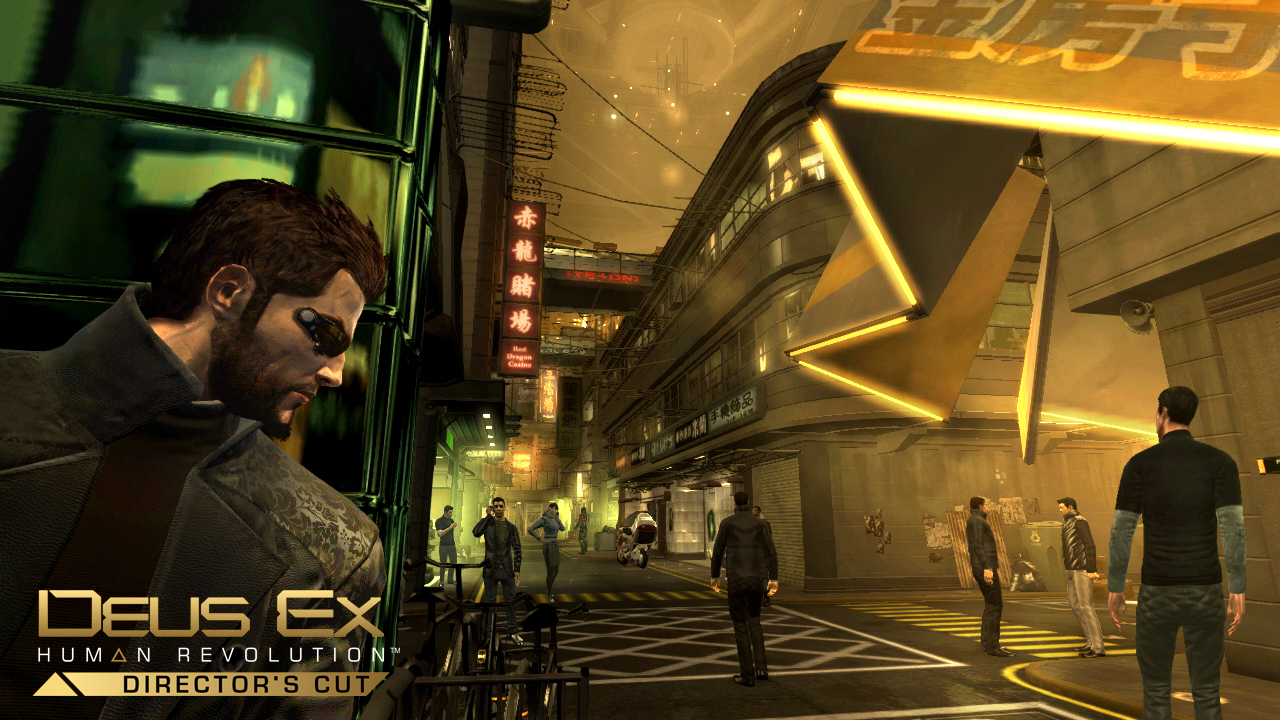
An augmented man looks over a busy street lined with neon signs and shops in a futuristic city
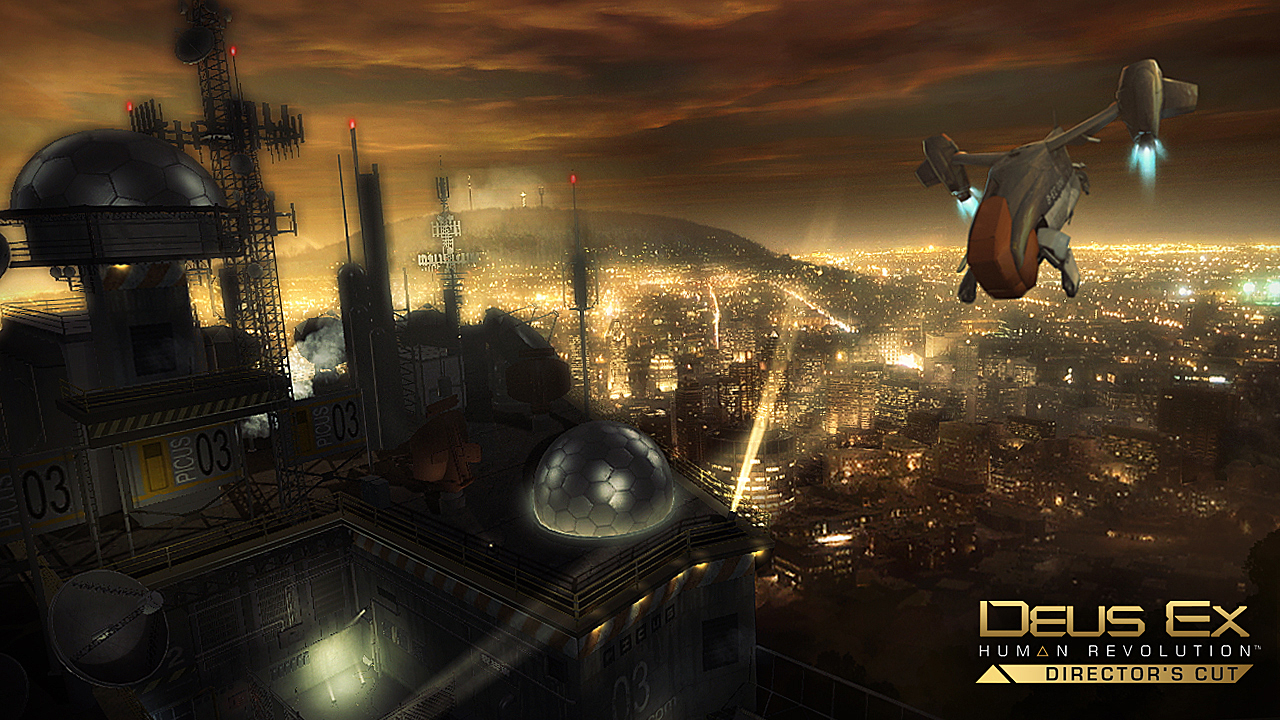
A vertical takeoff aircraft flies over a sprawling city glowing at night beneath a cloudy sky
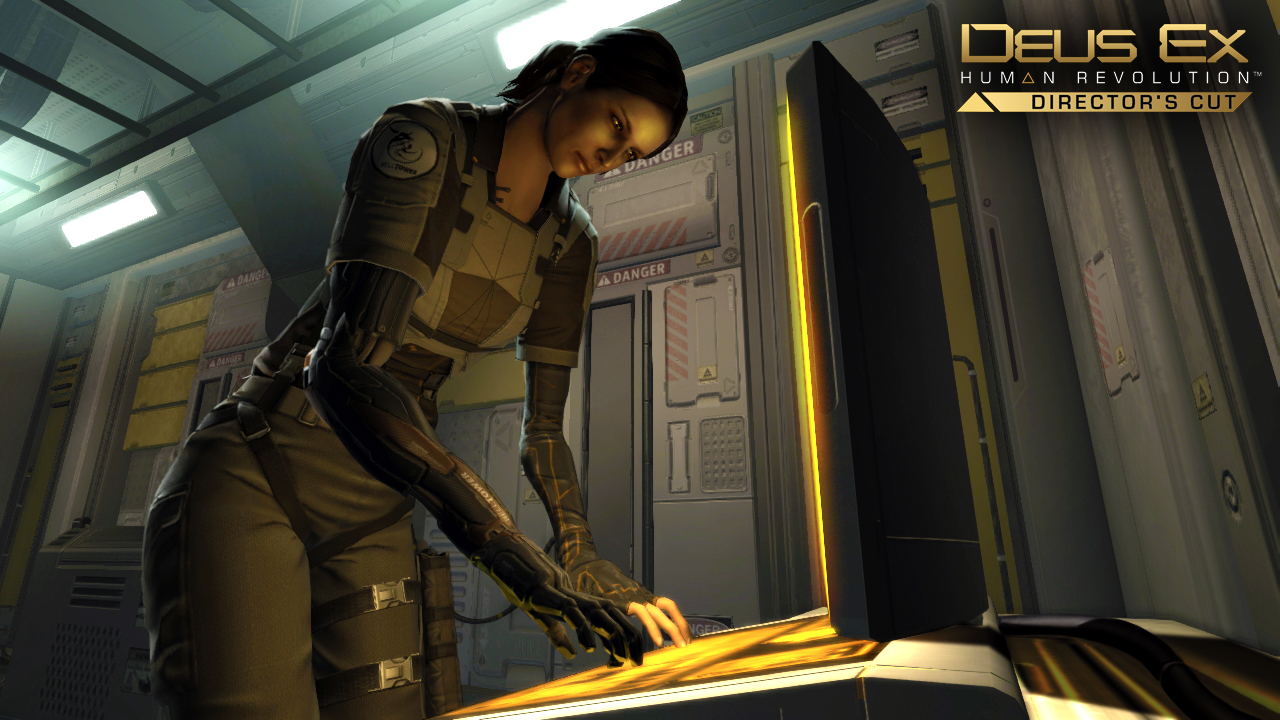
A woman in body armor leans over a glowing console inside a metal corridor
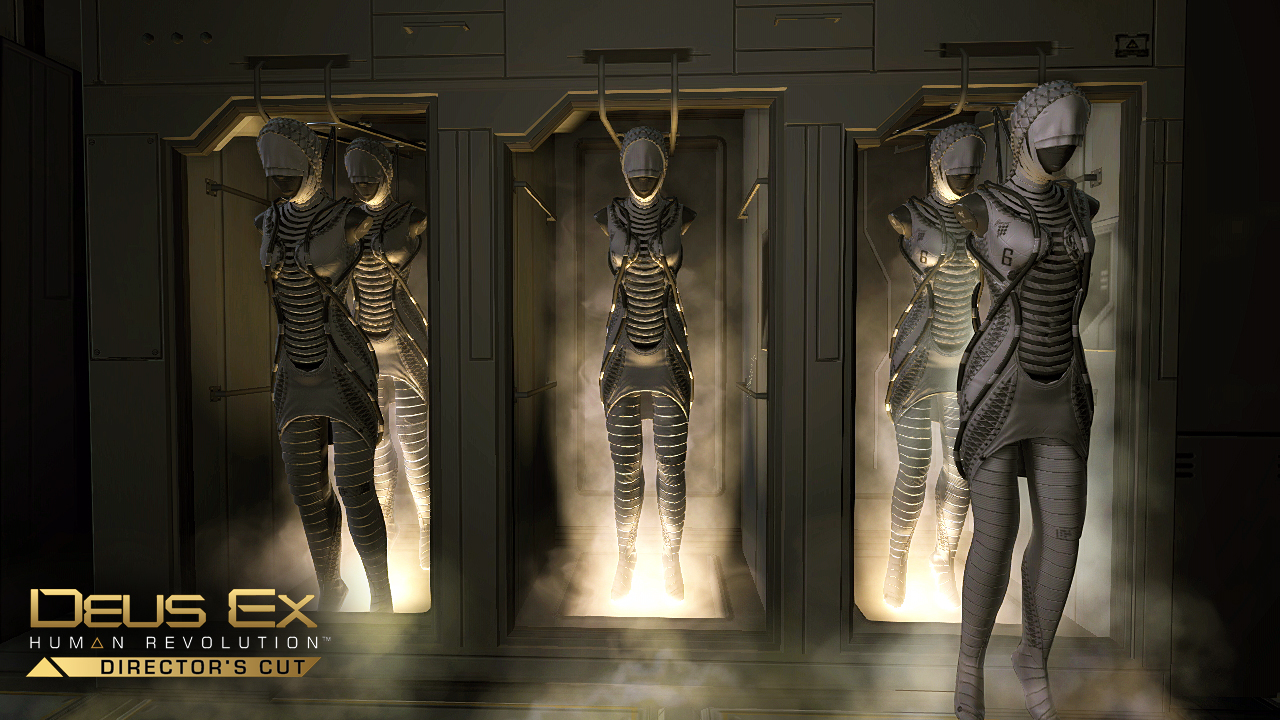
Three armored suits hang in illuminated storage pods in a misty room
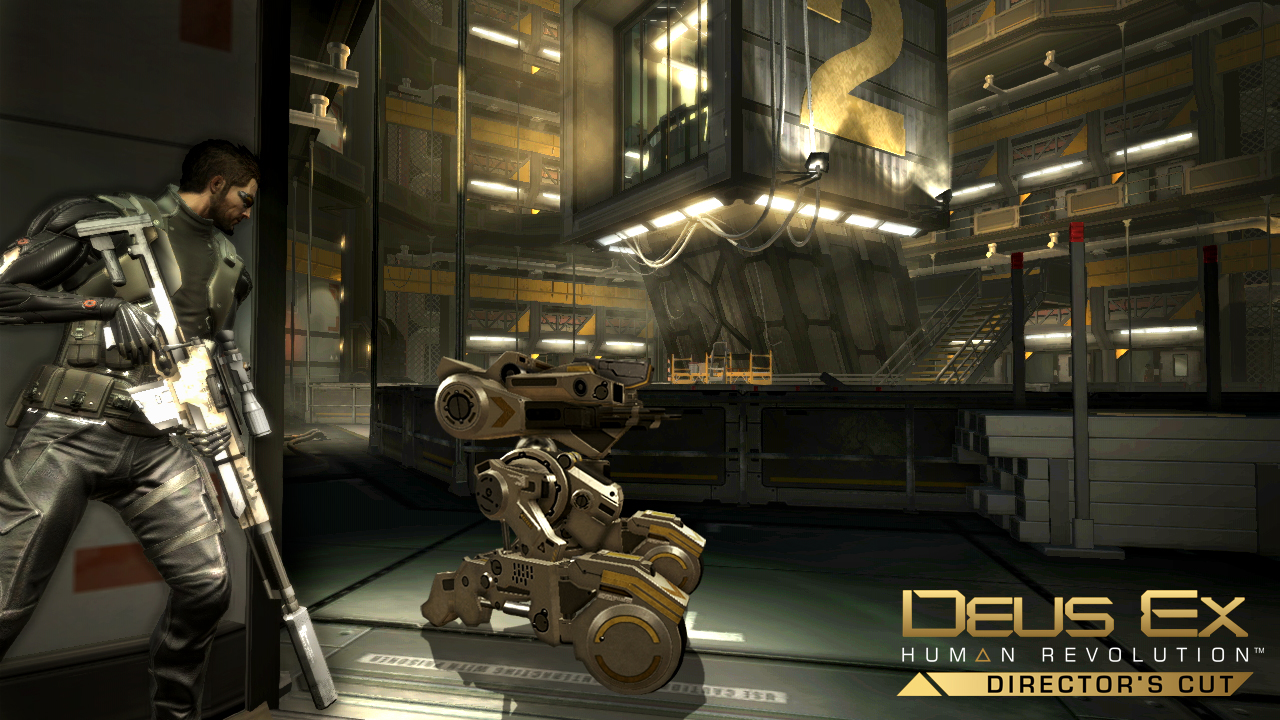
An armed operative in a dark coat takes cover beside a doorway as a security robot patrols a large industrial hall
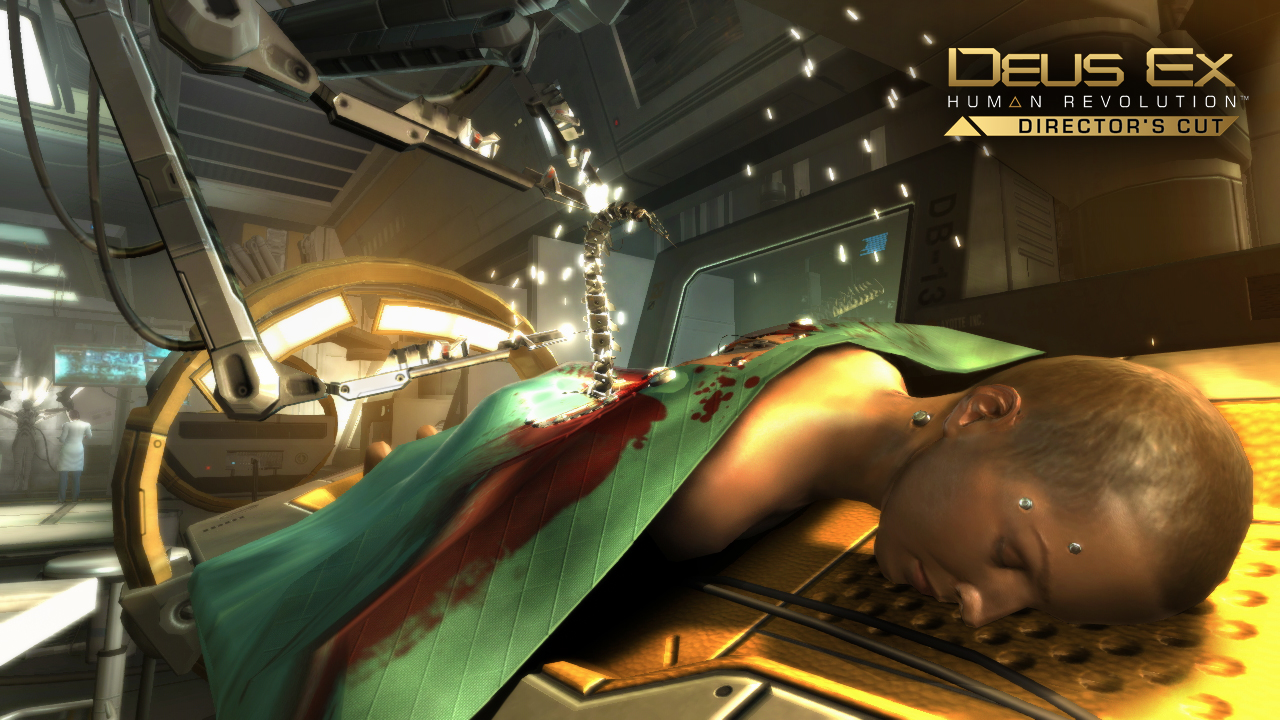
A wounded man lies on an operating table under a surgical robot arm in a brightly lit lab
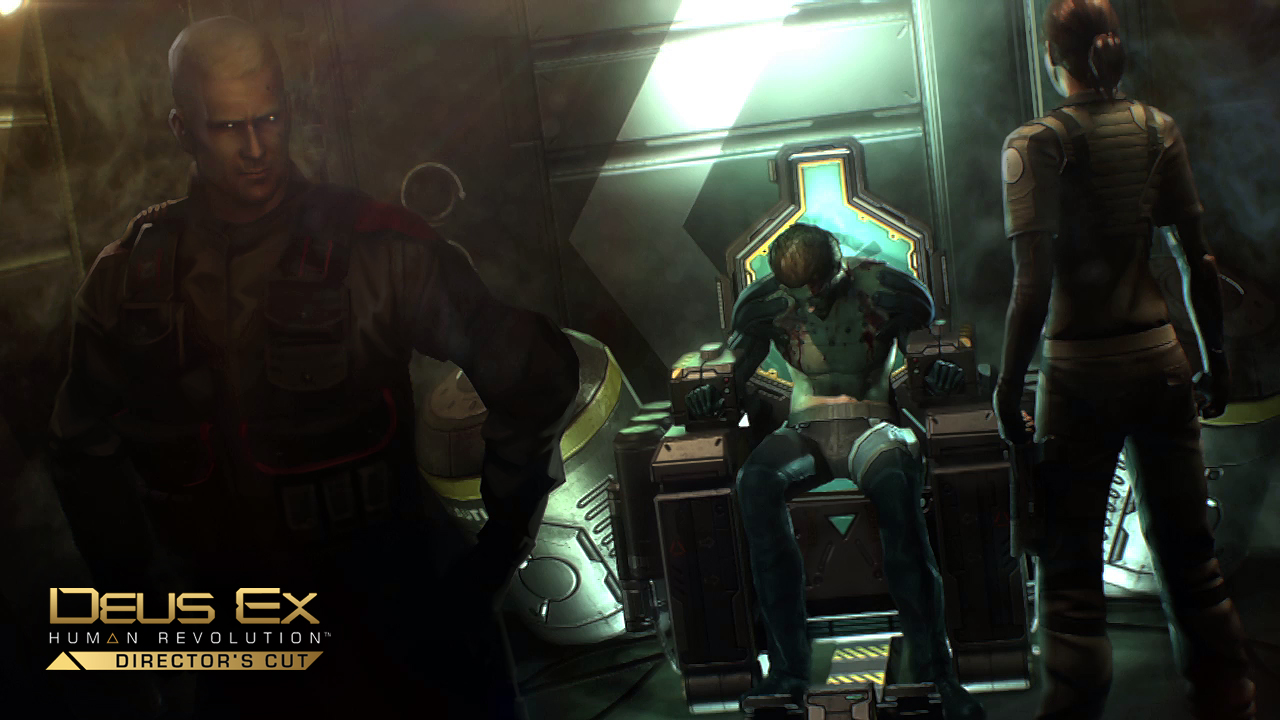
Two figures stand beside an augmented man seated in a high-tech chair in a dim chamber
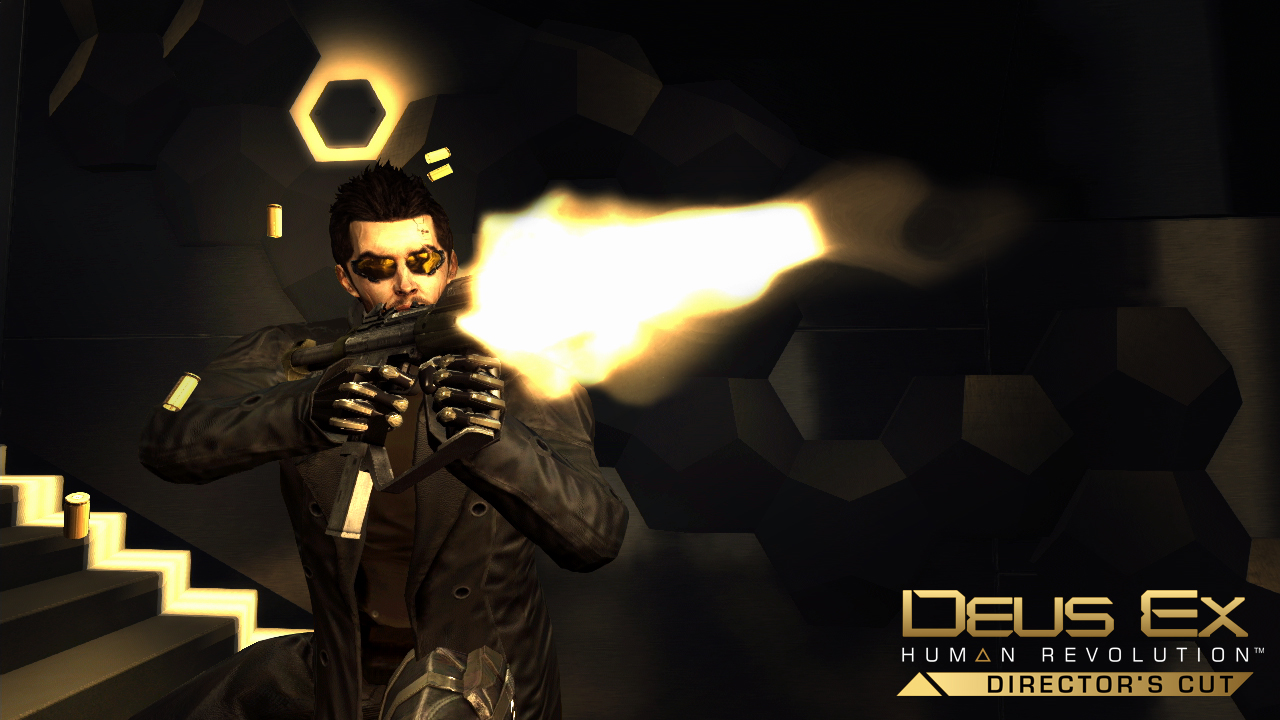
An augmented agent in sunglasses fires a pistol in a dark corridor with hexagonal wall panels
What is Deus Ex: Human Revolution?
Deus Ex: Human Revolution is an action role-playing game from developer Eidos-Montréal and publisher Square Enix, and it serves as the third entry in the Deus Ex series as well as a prequel to the original 2000 game. It launched in August 2011 on PlayStation 3, Windows, and Xbox 360, arriving in North America on August 23, 2011. Feral Interactive brought it to OS X on April 26, 2012. An expanded Director’s Cut followed in October 2013 on Wii U, PC, PlayStation 3, and Xbox 360.
The story unfolds in 2027, a quarter century before the events of the first Deus Ex. Megacorporations now hold more power than governments, and artificial organs known as augmentations have split society between those who have them and ordinary humans who cannot or will not accept them. Adam Jensen, a former SWAT leader working as security manager at Sarif Industries in Detroit, is gravely injured when augmented mercenaries attack the company. After Sarif rebuilds him with extensive augmentations, Jensen follows the trail of the attack through Detroit, the Chinese megacity of Hengsha, and Montreal, uncovering a conspiracy tied to the Illuminati.
The game blends first-person shooting, stealth, and role-playing, with the camera moving to a third-person view for actions such as taking cover, talking with characters, and some takedowns. Players can fight their way through an area, avoid guards and security devices, or knock enemies out, and melee takedowns come in lethal and non-lethal forms. Experience earned from quests, combat, and other actions raises Jensen’s level, and Praxis Kits unlock and upgrade augmentations. Conversations offer three response options, terminals and devices are hacked through a node-capture screen, and black market vendors sell weapons and gear for Credits.
After launch, Eidos-Montréal released The Missing Link, a downloadable episode set during the main story in which Jensen loses his augmentations and must escape a cargo ship and a Belltower base. The Director’s Cut, co-produced with Straight Right and Snowed In Studios, folds The Missing Link into the main game and reworks the boss encounters with options for stealthy players. It also adjusts the energy system, enemy AI, lighting, and shading, and adds developer commentary and a making-of documentary, along with second screen features on Wii U, PlayStation Vita, and Xbox SmartGlass.
Development began in 2007 shortly after Eidos-Montréal was founded, following earlier sequel attempts at Ion Storm that never shipped. The team drew on the myth of Icarus and Renaissance art for its themes and black and gold look, Michael McCann composed the score, and the boss fights were outsourced to Grip Entertainment. The game earned critical acclaim for its story, gameplay, and freedom of choice, though critics took issue with the boss battles and technical problems. By November 2011 it had sold 2.18 million copies, and it was followed by the spin-off Deus Ex: The Fall in 2013 and the sequel Deus Ex: Mankind Divided in 2016.
There is currently no review for this game.
