Bravely Default
Release details, media and our verdict on Bravely Default.
| Developers: | Silicon Studio, Square Enix |
|---|---|
| Publishers: | Square Enix |
| Platforms: | 3DS |
| Release: | |
| Genres: | RPG |
Media Gallery
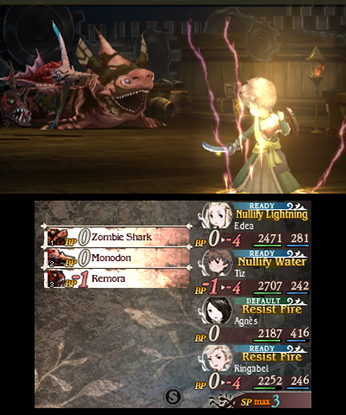
A character casting lightning against a monster group inside a castle
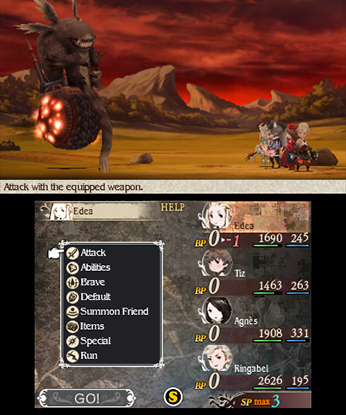
Party battle command menu during a fight against a large monster in a red desert
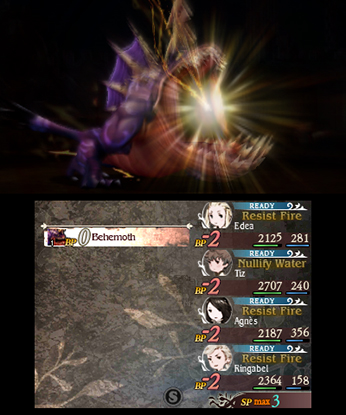
A glowing burst of light hitting a large purple beast
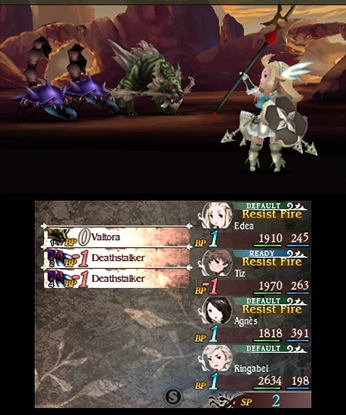
Party battling three monsters, with a character lunging forward with a sword
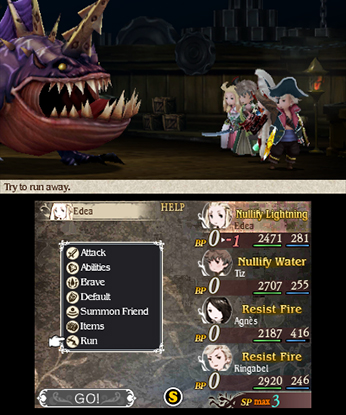
Battle command menu with the Run option selected against a toothed monster
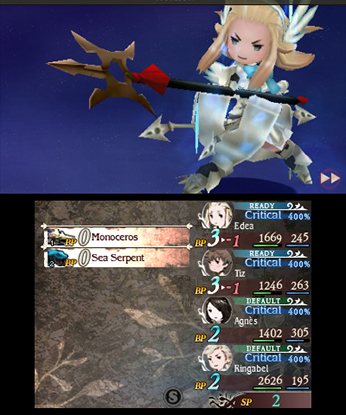
Close-up of a character in white armor swinging a spear in battle
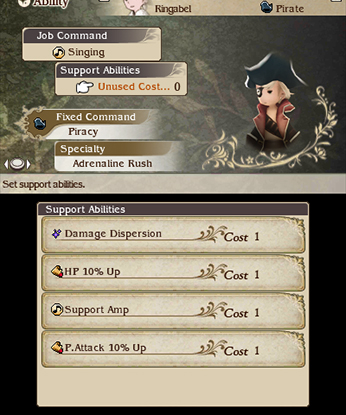
Job ability menu showing support abilities for a character in a pirate outfit
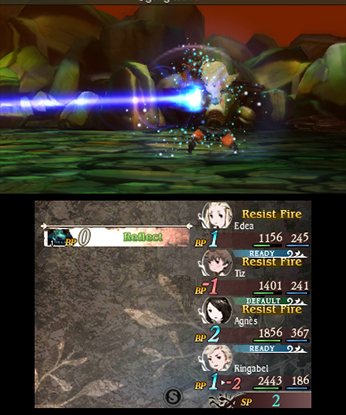
A beam of blue light striking an enemy in a green cave battle
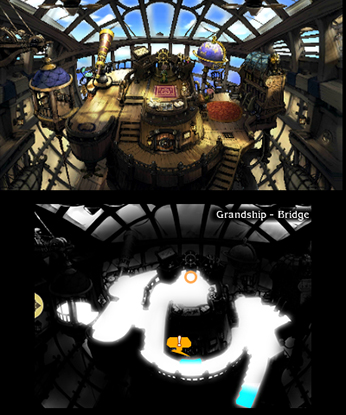
Interior of an airship bridge with an area map on the lower screen
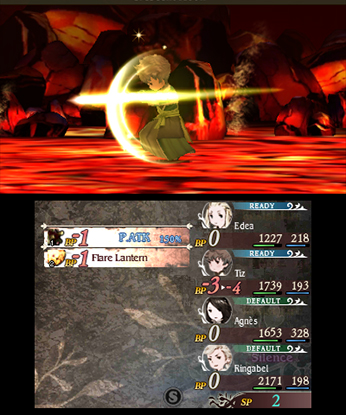
A character slashing with a glowing arc in a battle among lava
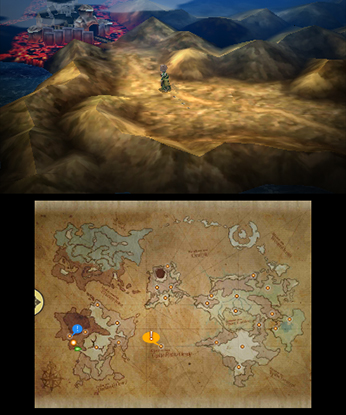
A character crossing a world map of hills, with the full map on the lower screen
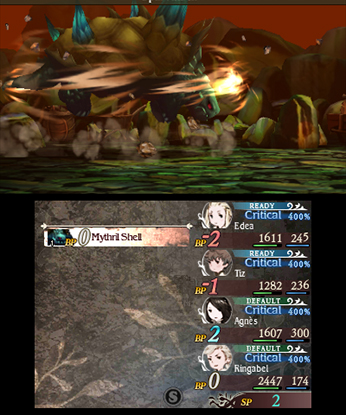
Battle against a large spiked shell monster in a cave
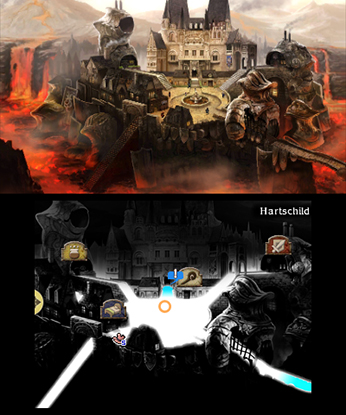
A fortress town built into rock above lava, with its map on the lower screen
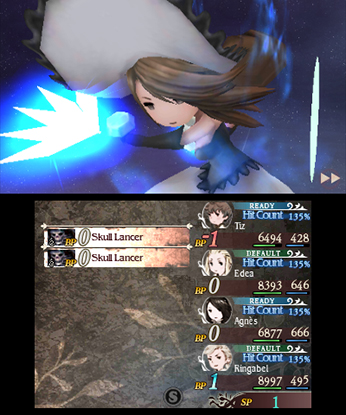
Close-up of a dark-haired character casting a blue ice spell
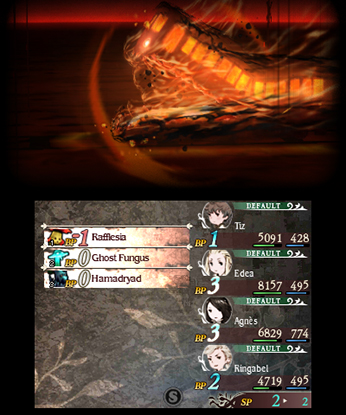
A dragon-like creature unleashing fire across the battle screen
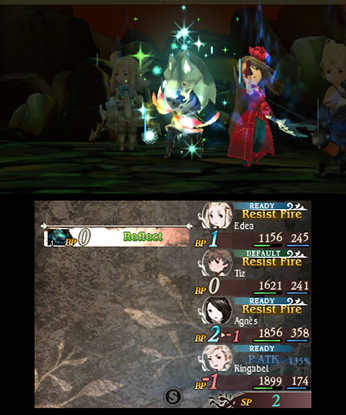
A party member casting a glowing summon spell in a dark battle
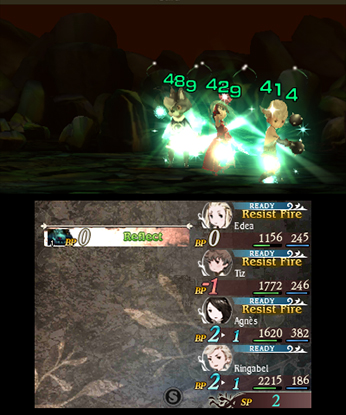
Green healing numbers rising above the party in battle
What is Bravely Default?
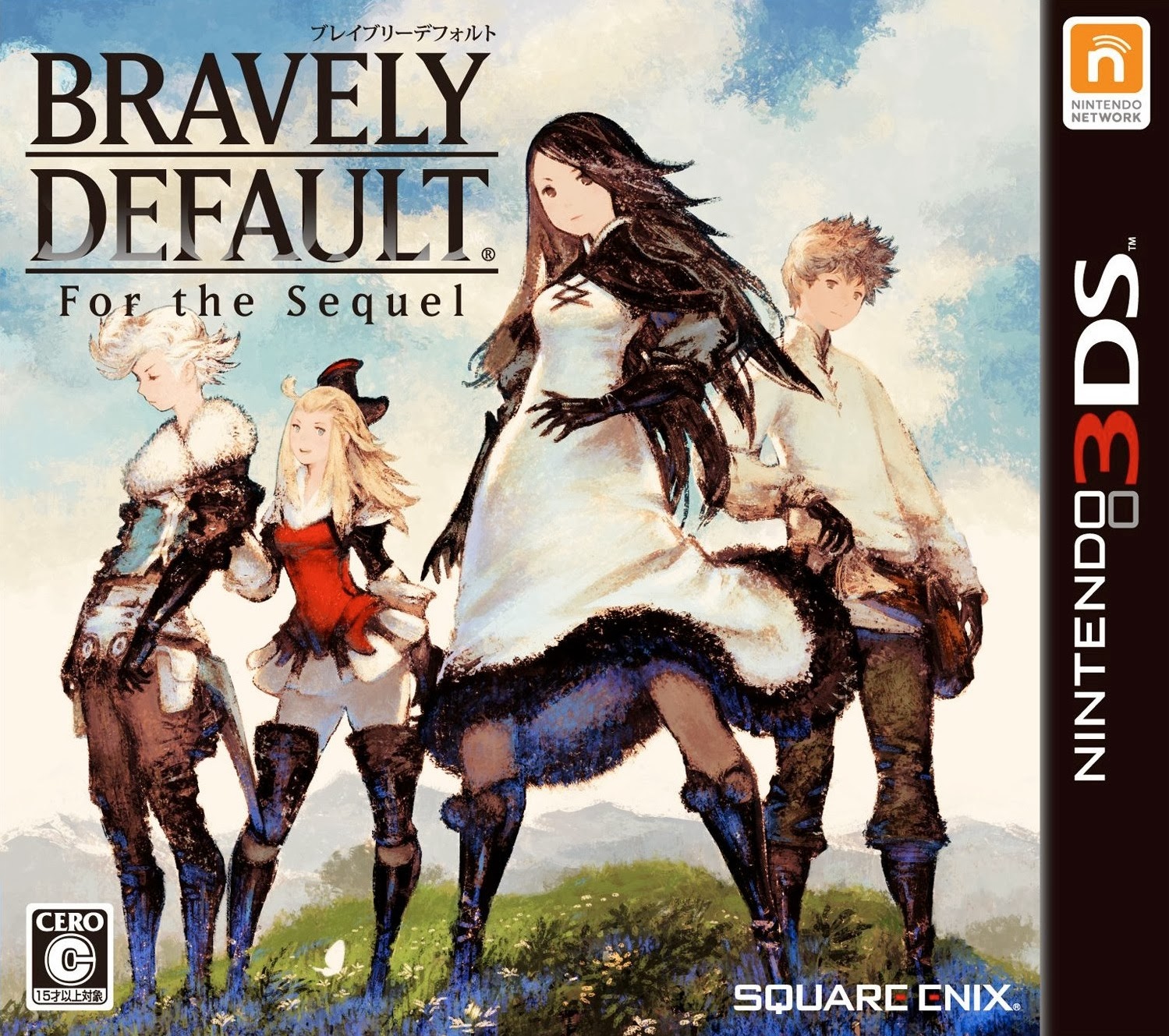
Bravely Default is a role-playing game developed by Silicon Studio for the Nintendo 3DS. Known in Japan as Bravely Default: Flying Fairy, it was published there by Square Enix on October 11, 2012. An expanded edition subtitled For the Sequel followed in Japan on December 5, 2013, and that version became the basis for the Western release, which Nintendo published without a subtitle. It reached Europe on December 6, 2013, Australia the next day, and North America on February 7, 2014.
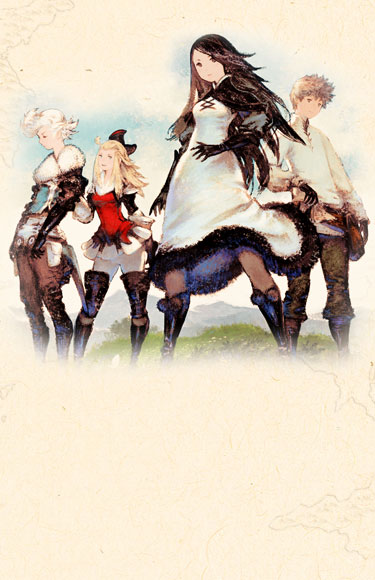
The game takes place in Luxendarc, a world whose balance depends on four elemental crystals guarded by a religious group called the Crystal Orthodoxy. When darkness consumes the crystals, a chasm swallows the town of Norende, leaving Tiz Arrior as its only survivor. He joins Agnès Oblige, vestal of the Wind Crystal, along with Ringabel, a wanderer with no memory who carries a mysterious journal, and Edea Lee, a soldier who leaves the army hunting Agnès. With the fairy Airy guiding them, the group sets out to restore the crystals while forces of the Duchy of Eternia pursue them.
Combat is turn-based and built around two commands. Brave lets a character spend Brave Points to take up to four actions in a single turn, even going into a negative balance that must be repaid, while Default has a character guard to reduce damage and store points for later. Party members start as Freelancers and unlock more of the game’s twenty-four Jobs by collecting gems called asterisks from defeated human bosses, and each character can also use the skills of a second Job. Outside battle, players can change the encounter rate, the difficulty, and the battle speed.
Alongside the main story, players rebuild the village of Norende using residents gathered from friends met through StreetPass and online invites, which unlocks new items and equipment over time. Friends’ characters can be summoned into battle, the Abilink feature lets players borrow Job levels from others, and optional bosses called Nemeses appear in the region. The Bravely Second ability freezes time for enemies and runs on Sleep Points that recover while the 3DS is in sleep mode. Collector’s editions were sold in Japan, North America, and the UK, and an HD remaster titled Bravely Default Flying Fairy HD Remaster later launched with the Nintendo Switch 2 in 2025.
Producer Tomoya Asano began the project as a sequel to Final Fantasy: The 4 Heroes of Light, and it was first planned as an action role-playing game before moving to turn-based battles. Naotaka Hayashi wrote the story, Akihiko Yoshida served as art director, and Revo of Sound Horizon composed the music. The game sold well and received generally favorable reviews according to Metacritic, with critics praising its blend of traditional and new mechanics as well as its story, graphics, and music, while its repetitive late-game stages and parts of its social features drew criticism. It led to the sequels Bravely Second: End Layer and Bravely Default II.
There is currently no review for this game.
